

For parents, encouraging healthy family diets for children from the time they are babies is one way to keep children’s blood sugar levels in check. The Indonesian government can do more to help too.
Articles on Diabetes
Displaying 121 - 140 of 470 articles

As tempting as it is, it is not possible to “supplement” oneself out of a bad lifestyle.
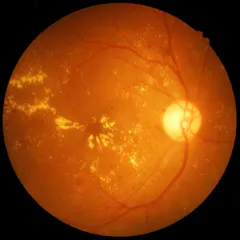
Scientists are figuring out why so many diseases and conditions, including diabetes, inflammation and parasitic infection, can affect our eye health. But there are ways to protect your macula.

You’ve probably heard of the drug semaglutide or Ozempic, the diabetes medication being used for weight loss. So what are the risks and benefits? And who should have access to it?

The risk of developing eye complications is high in young people with Type 2 diabetes, which is increasingly affecting children and adolescents, especially those who are more sedentary.

Shift work throws our circadian rhythm out of whack, which can impact the major systems in our bodies.
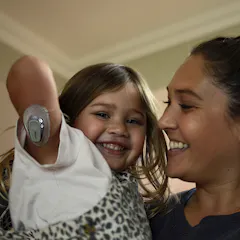
On the centenary of insulin’s first use, doctors, researchers and people with diabetes are asking why New Zealand lags other countries in funding the latest devices to monitor blood sugar.

In Canada, 14.4 per cent of South Asians have Type 2 diabetes, the highest prevalence of any other ethnic group in the country. Why is this population so disproportionately affected by diabetes?

Improving diabetes care in South Africa requires strong will and support from health authorities, introduction of clinical information systems, the use of technology and digital solutions.
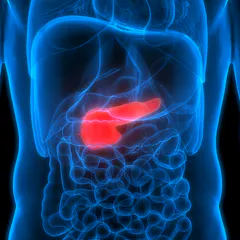
Large new study identifies very early risk factors for pancreatic cancer.

Outpatient visits, screening and diagnostic services, and child immunisation were particularly negatively affected.

It’s important to think about the weight-related outcomes are you’re hoping for and what other approaches could be tried first.
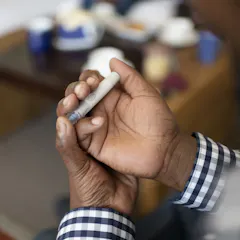
Most people with diabetes are poorly controlled. This makes them vulnerable to complications like eye problems, kidney disease, and even amputations.

Older people with COVID are at higher risk of a new Alzheimer’s diagnosis within a year of testing positive. Vaccination against viral infection remains one of several important preventative measures.

Lowering obesity and overweight rates will lift the burden on healthcare spending.

Studies show that most people who are overweight or obese are also chronically dehydrated.
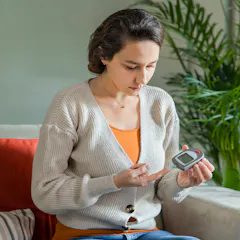
A new study analysed data from hundreds of thousands of COVID patients in the UK.
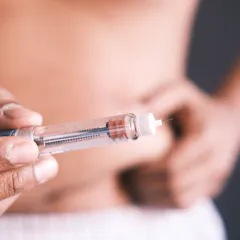
As diabetes progresses, insulin injections become the only treatment option. But the transition from oral medication to injectable insulin is often a bumpy one.

Emerging evidence shows the COVID pandemic has seen fewer people receiving routine medical care across many areas. Here’s what we know about the impact that’s having – and could have down the track.
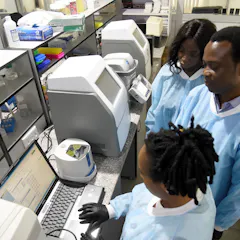
Molecular research is expensive, but worth it because of the burden of disease that it could relieve.
Top contributors
-

Professor and Programme Director, SA MRC Centre for Health Economics and Decision Science - PRICELESS SA (Priority Cost Effective Lessons in Systems Strengthening South Africa), University of the Witwatersrand
-
Chairperson, Diabetes Alliance; Co-founder, Diabetes Research Centre, University of Pretoria
-
Head of Diabetes Clinics, Baker Heart and Diabetes Institute
-
Laureate Professor in Nutrition and Dietetics, University of Newcastle
-
Professor (Hon) at Monash University, Baker Heart and Diabetes Institute
-
Professor of Medicine, Monash University
-
Professor of Public Health Policy, Deakin University
-
Assistant Professor of Health Promotion and Policy, UMass Amherst
-
Associate Professor and Director of the SAMRC/Wits Centre for Health Economics and Decision Science - PRICELESS SA (Priority Cost Effective Lessons in Systems Strengthening South Africa), University of the Witwatersrand
-
Associate Professor, Health Sciences, University of Waikato
-
Professor of Community Health and Wellbeing, The University of Queensland
-
Accredited Practising Dietitian and Lecturer, Southern Cross University
-
Honorary Associate Professor, University of Leicester
-
General Practitioner, PhD Candidate, Bond University
-
Project Head, Tshwane Insulin Project, University of Pretoria