

Regulating the body’s glucose production is key to treating the effects of insulin resistance.
Articles on Insulin
Displaying 1 - 20 of 96 articles

Today millions of diabetic patients across the world do not have access to insulin. Why and how can governments reverse this phenomenon?
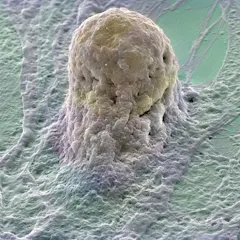
Stem cells offer an extraordinary toolkit for science and medicine. Researchers are getting better at turning these pluripotent cells into specialized tissues, including insulin-producing beta cells.

Genetics may only partially determine a newborn’s risk of developing Type 1 diabetes. Screening umbilical cord blood could lead to earlier treatments to prevent or reduce disease.

A major new study finds people with type 1 diabetes face nearly three times the dementia risk. But lifestyle changes and new treatments offer real hope.

New research from Brazil links Zika to lasting brain and insulin changes.

New insights into the diabetes-dementia connection.
A new drug hits pause on type 1 diabetes before symptoms even begin.

Many common prescription drugs block the body’s ability to keep us cool.

The insulin discovery we forgot.

A team of researchers discovered that taking omega-3 supplements can reduce the risk of developing type 2 diabetes and cardiovascular disease.

Is blood donation a secret to better health? A new study explores potential benefits.

And insulin in the brain might explain why.

By understanding the disease and the treatment options, pet owners can ensure their dogs and cats have healthy and happy lives.

With a few science-backed culinary tricks, you can make a delicious cranberry dish that’s friendly to Type 1 diabetics.

Type 1 diabetes develops when the body destroys its own insulin-producing cells. Using stem cells to replace them could be a way to get around donor shortages and transplant complications.
To meet international guidelines, New Zealand needs to double the workforce that supports people with diabetes. Unless that happens, newly-funded health technologies won’t get to those most in need.

Both Trump and Harris seek to lower drug costs for patients. What headway have they made on realizing this goal?

Type 1.5 diabetes has features of both type 1 and type 2 diabetes.

New research shows three minute exercise sessions while relaxing at night can increase sleep times by as much as 30 minutes – challenging common advice about avoiding activity before bed.
Top contributors
-

Emeritus Robert Reford Professor and Professor of Medicine, McGill University
-
Associate Professor in Experimental Diabetes, University of Exeter
-
Honorary Associate Professor, University of Leicester
-
Chairperson, Diabetes Alliance; Co-founder, Diabetes Research Centre, University of Pretoria
-
Professor of Medicine, Monash University
-
Associate Professor, Department of Biology and Institute of Biochemistry, Carleton University
-
Project Head, Tshwane Insulin Project, University of Pretoria
-
Author and Honorary Fellow, Centre for History and Philosophy of Science, University of Leeds
-
Lecturer in pharmacology, University of Cambridge
-
Professor of Applied Mathematics, MIT Sloan School of Management
-
Senior Lecturer in Nutrition and Dietetics, Edith Cowan University
-
Medical Student, University of California, San Diego
-
Professor and Medical Director of UF Diabetes Institute, University of Florida
-
Reader in Molecular Medicine, University of Bristol
-
Associate Professor in Public Health, University of Stirling