

Low-carbohydrate diets worked as well as meal-replacement diets in achieving remission.
Articles on Diabetes
Displaying 161 - 180 of 470 articles

Connecting health apps to health care can enable better care for patients with chronic diseases, and it has the potential to lower skyrocketing US health spending.

A biomedical engineer explains the basic research that led to the discovery of insulin and its transformation into a lifesaving treatment for millions of people with diabetes.

Patients shouldn’t be treated better simply because they can afford to pay more.
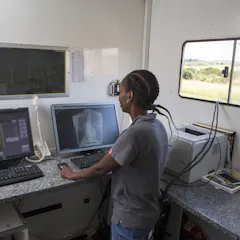
South Africa needs a public health response that expands the successes of the country’s HIV testing and treatment programme to provide care for multiple diseases.

Evolutionary medicine uses our ancestral history to explain disease prevalence and inform care for conditions like Type 2 diabetes. It also challenges the bio-ethnocentrism of western medicine.

While the pandemic has focused the world’s attention on how to prevent infectious disease, many of the lessons learned from COVID-19 prevention can also be applied to chronic disease prevention.
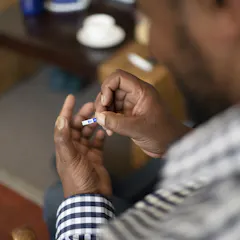
In 2019, 89,834 people died of diabetes. This number exceeds the capacity of Soccer City, the biggest football stadium in South Africa.

Going back to work at an office? An expert explains how the relatively cool temperature many offices are kept at may affect your body – and your health.

Governments must take urgent action to prevent noncommunicable diseases from becoming an uncontrollable epidemic in sub-Saharan Africa. Sugar-sweetened beverage taxation offers a potential solution.

Without reliable, local and timely data, countries will miss the potential of sugar-sweetened beverage taxation as a public health intervention.

Rwanda’s food policies focus on production to make sure people have livelihoods and enough nutritious food. Not much attention is given to overnutrition.

Tension between the government’s economic and public health priorities is preventing stronger fiscal measures to address nutrition-related noncommunicable diseases.

Between 2018 and 2019 Kenya registered a 30% spike in sugar production and an increase in sugar consumption.
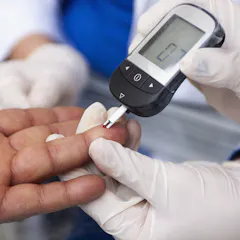
To stem the rise in diabetes, new and innovative methods of risk assessment must be implemented, specific to populations on the continent.

The results are in: South Africa’s ground-breaking health promotion levy, introduced in 2018, is working.

A tax on sugar-sweetened beverages may be intended to improve health, but for Indigenous consumers, such a tax would be unethical, contravene tax law and undermine Indigenous rights.

Ghanaian consumption patterns towards fast food are evolving.

Latest meta-analysis shows weight loss is the most important factor in achieving remission.

‘One-size-fits-all’ weight loss advice could be inadvertently harmful to some patients.
Top contributors
-

Professor and Programme Director, SA MRC Centre for Health Economics and Decision Science - PRICELESS SA (Priority Cost Effective Lessons in Systems Strengthening South Africa), University of the Witwatersrand
-
Chairperson, Diabetes Alliance; Co-founder, Diabetes Research Centre, University of Pretoria
-
Head of Diabetes Clinics, Baker Heart and Diabetes Institute
-
Laureate Professor in Nutrition and Dietetics, University of Newcastle
-
Professor (Hon) at Monash University, Baker Heart and Diabetes Institute
-
Professor of Medicine, Monash University
-
Professor of Public Health Policy, Deakin University
-
Assistant Professor of Health Promotion and Policy, UMass Amherst
-
Associate Professor and Director of the SAMRC/Wits Centre for Health Economics and Decision Science - PRICELESS SA (Priority Cost Effective Lessons in Systems Strengthening South Africa), University of the Witwatersrand
-
Associate Professor, Health Sciences, University of Waikato
-
Professor of Community Health and Wellbeing, The University of Queensland
-
Accredited Practising Dietitian and Lecturer, Southern Cross University
-
Honorary Associate Professor, University of Leicester
-
General Practitioner, PhD Candidate, Bond University
-
Project Head, Tshwane Insulin Project, University of Pretoria