
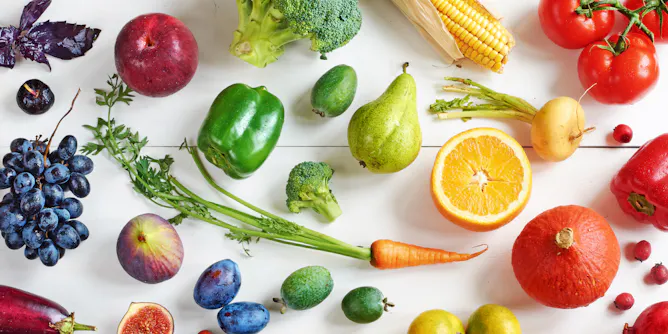
Those who ate the most fruit and vegetables daily had a 50% lower risk of developing type 2 diabetes compared to those who ate little or none.
Articles on Diabetes
Displaying 201 - 220 of 470 articles

South Africa faces high levels of noncommunicable diseases such as diabetes and hypertension. The NHI is likely to battle to cope with treating large numbers of sick people.
Vitamin D has been shown to regulate the function of 229 genes in humans, suggesting that it plays many roles in maintaining health.
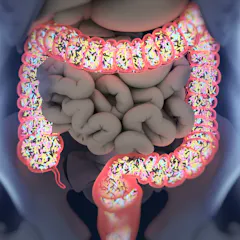
The disease is more severe in people with obesity, diabetes and hypertension — all conditions linked to changes in the gut microbiome.
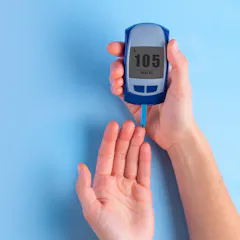
Case reports suggest that COVID-19 might trigger new-onset diabetes. But more data is needed.

New data shows the threat posed by COVID-19 differs significantly between people with type 1 and type 2 diabetes.
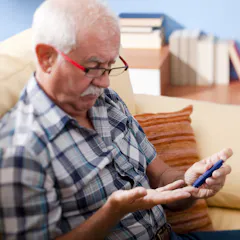
We’ve known for some time type 2 diabetes causes a range of health complications, like heart disease. But now we’re starting to see people with diabetes are more likely to get cancer and dementia too.

Two thirds of South African women are overweight or obese and their babies are three times more likely to become obese themselves.

When two or more epidemics co-exist and compound one another to worsen health, they are said to be syndemic. COVID-19 is feeding on other crises and diseases.
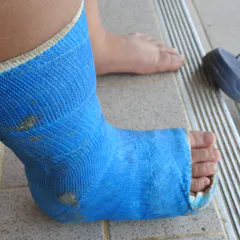
Researchers are starting to understand why the bones of diabetic people are more prone to fractures.
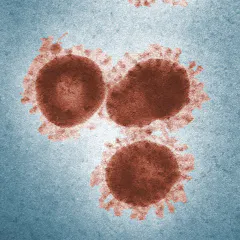
Do mutations that alter the addition of sugars to the coat of the virus affect the severity of the disease?
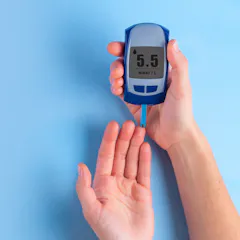
Millions of lives could be saved with this simple drug combination.

Eating healthy food, exercising regularly and reducing stress are all measures we can take to stay as healthy as possible to fight off infection while we wait for a coronavirus vaccine.
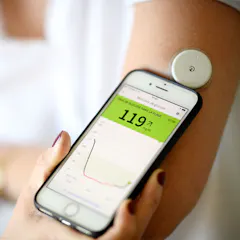
What does high blood sugar have to do with vulnerability to COVID-19? And is there a role for the controversial drug hydroxychloroquine in lowering blood sugar in COVID-19 patients?
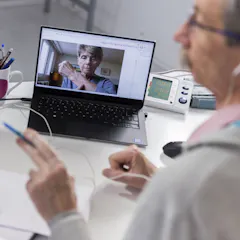
While COVID-19 raises the risk for people with underlying medical conditions such as diabetes, high blood pressure and COPD, social distancing can make it harder to keep up diets and medication.

COVID-19 poses a particular threat to workers with underlying health conditions. Going to work could expose them to a virus that targets them disproportionately.

We’ve got 6 tips and a tailored exercise program to help you keep active at home during the coronavirus pandemic.

American Indians and Alaska Natives are the most impoverished and marginalized group in the US. Tribes are working to protect their people from the coronavirus, but they have few resources to do so.
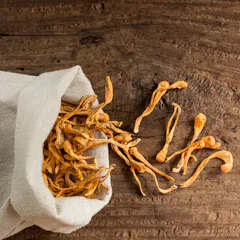
Cordyceps fungi that turn insects into “zombies” produce a compound that might be useful for treating cancer.

Cardiac rehabilitation is not available in many African countries and the way forward may be to focus on patients rather than specific diseases.
Top contributors
-

Professor and Programme Director, SA MRC Centre for Health Economics and Decision Science - PRICELESS SA (Priority Cost Effective Lessons in Systems Strengthening South Africa), University of the Witwatersrand
-
Chairperson, Diabetes Alliance; Co-founder, Diabetes Research Centre, University of Pretoria
-
Head of Diabetes Clinics, Baker Heart and Diabetes Institute
-
Laureate Professor in Nutrition and Dietetics, University of Newcastle
-
Professor (Hon) at Monash University, Baker Heart and Diabetes Institute
-
Professor of Medicine, Monash University
-
Professor of Public Health Policy, Deakin University
-
Assistant Professor of Health Promotion and Policy, UMass Amherst
-
Associate Professor and Director of the SAMRC/Wits Centre for Health Economics and Decision Science - PRICELESS SA (Priority Cost Effective Lessons in Systems Strengthening South Africa), University of the Witwatersrand
-
Associate Professor, Health Sciences, University of Waikato
-
Professor of Community Health and Wellbeing, The University of Queensland
-
Accredited Practising Dietitian and Lecturer, Southern Cross University
-
Honorary Associate Professor, University of Leicester
-
General Practitioner, PhD Candidate, Bond University
-
Project Head, Tshwane Insulin Project, University of Pretoria