

Care for patients with more than one disease is fragmented and uncoordinated. This is can cost patients time, effort and lost wages.
Articles on Diabetes
Displaying 181 - 200 of 470 articles

Healthcare providers and governments must recognise the need to invest in diabetes nurse education and training.

The rapid rise in diabetes mustn’t be overlooked, as it could have devastating health and economic effects. Most national health systems are already struggling with infectious diseases.

In some cases, women are left without food or anywhere to live for the duration of their pregnancy.

Regular testing can mean potentially fatal diseases can be picked up and treated early.

Depression and diabetes can occur together, and put huge strain on patients and health systems. Depression in patients with diabetes can cause poor self-management and poor treatment adherence.

Heart disease, cancer and diabetes all cause weaker hand grip strength.

Without proper care, lockdown measures during the COVID-19 pandemic could worsen muscle loss and long-term health in ageing populations.
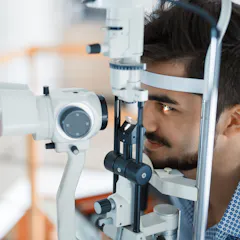
Diabetes-related eye disease affects more than one in three people with diabetes. But it doesn’t have to turn into vision loss and blindness.

Age, obesity and being male all increase the risk of COVID, but being wealthy is a protective factor.

The type of fat tissue we store in certain parts of our body is partly behind this link.

Using random testing, researchers in Indiana were able to calculate death rates by age, race, and sex and found sharp increases in risk of death among older and non-white state residents.

Cardiovascular risk factors like diabetes and hypertension are preventable or relatively easy to treat with inexpensive medication.

Teaching deaf babies sign language improves the success of cochlear implants – and also safeguards their long-term physical and mental health.

Abnormal functioning of the immune system is what characterises severe COVID, and can be driven by diabetes, obesity, sex and age.

To reduce the prevalence of diabetes in Malawi, efforts to promote healthy eating should target the entire population and not only people who have diabetes.

Interventions using apps show promise as they could improve care for patients with chronic conditions. But patients can’t benefit from innovations unless they accept them and use them effectively.

The food industry’s tactics are designed to reduce the likelihood of the government adopting global recommendations to tackle obesity.

Stress, depression, and high blood pressure were just some of the risk factors the study’s researchers identified.

COVID-19 has stretched South Africa’s public health services to capacity. In response, the services have increased their capacity through innovation.
Top contributors
-

Professor and Programme Director, SA MRC Centre for Health Economics and Decision Science - PRICELESS SA (Priority Cost Effective Lessons in Systems Strengthening South Africa), University of the Witwatersrand
-
Chairperson, Diabetes Alliance; Co-founder, Diabetes Research Centre, University of Pretoria
-
Head of Diabetes Clinics, Baker Heart and Diabetes Institute
-
Laureate Professor in Nutrition and Dietetics, University of Newcastle
-
Professor (Hon) at Monash University, Baker Heart and Diabetes Institute
-
Professor of Medicine, Monash University
-
Professor of Public Health Policy, Deakin University
-
Assistant Professor of Health Promotion and Policy, UMass Amherst
-
Associate Professor and Director of the SAMRC/Wits Centre for Health Economics and Decision Science - PRICELESS SA (Priority Cost Effective Lessons in Systems Strengthening South Africa), University of the Witwatersrand
-
Associate Professor, Health Sciences, University of Waikato
-
Professor of Community Health and Wellbeing, The University of Queensland
-
Accredited Practising Dietitian and Lecturer, Southern Cross University
-
Honorary Associate Professor, University of Leicester
-
General Practitioner, PhD Candidate, Bond University
-
Project Head, Tshwane Insulin Project, University of Pretoria