

Years of industrial expansion have boosted water demand, with no new sources coming online since 2016. Desalination and reclaiming sewage wastewater are among the current options.
Articles on Desalination
Displaying 1 - 20 of 46 articles
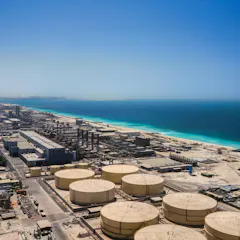
Plants that convert seawater to drinking water are at the heart of major cities in the Gulf. But they are increasingly becoming military targets.

Key sources of drinking water have been targets in past conflicts. And Iranian strikes have already hit close to some.
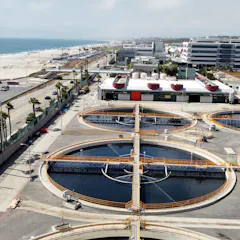
Desalination of seawater and sewage treatment plants leave behind water that contains high concentrations of salt, metals and other contaminants. What if that water could be separated from the rest?
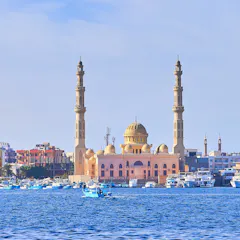
Egypt has always relied on the River Nile for its freshwater but needs new sources to cope with a growing population. Desalinating seawater could be a solution.
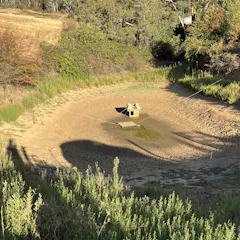
Water is being trucked into the Adelaide Hills and surrounds to fill empty rainwater tanks and dams. Is there a better way to cope with future water shortages?
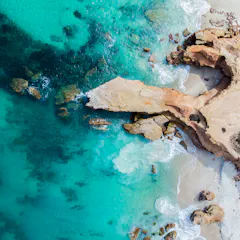
States are once again turning to desalination to secure freshwater supplies. The problem is, they’re often choosing the wrong spot for ecosystems and fisheries
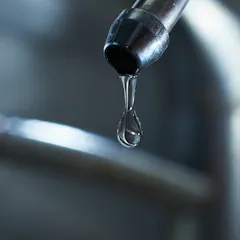
To build drought resilence, Sydney must invest in rainfall-independent water supplies.
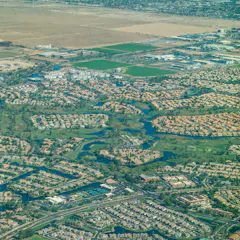
Arizona is considering a multibillion-dollar desalination project to address its urgent water needs. Three water experts call for a go-slow approach and point to Israel as a role model.

Around half of US industrial energy use goes toward separating molecules in industrial processes. Developing materials that can withstand harsh industrial conditions can help increase efficiency.

Jordan is planning a major desalination plant on the Gulf of Aqaba – but will it damage nearby marine ecosystems?
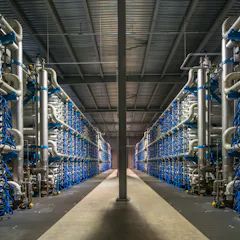
Nearly 97% of the world’s water is in the oceans, but desalination is no magic bullet for water-stressed coastal cities.

Drinkable water resources are becoming increasingly scarce. Are technologies such as desalination capable of averting such a crisis?
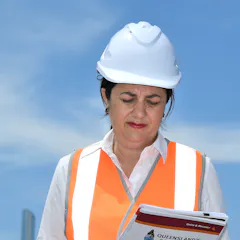
Australian politicians have a history of opting for high-cost, high-emissions desalination projects. The Queensland government is still wary of using the largely untapped resource of recycled water.

We need a radical rethink of water resource planning. Strategies should include reusing water and moving water physically to water-scarce areas.
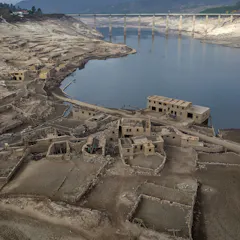
Water is central to adapting to climate change, but very few of the strategies put in place to respond to water hazards or ensure its availability have been evaluated.
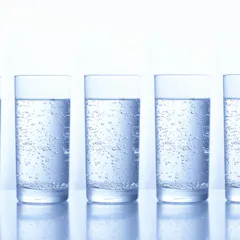
Desalination can help meet growing water needs globally. But toxic wastewater and inefficiency hamper current techniques. A new approach uses custom membranes to clean water more easily.

Some microbial groups could be using positive energy to influence their metabolism.
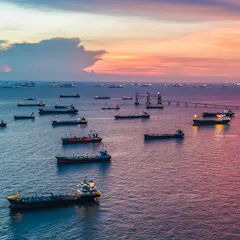
The Great Acceleration inaugurated the Anthropocene in the 1950s. Now, a similar race for resources and space is happening in the ocean.
Hitting the Paris targets will go a long way to securing Melbourne’s water supply against future pressure.
Top contributors
-

Associate Professor in Environmental Science, Western Sydney University
-
Professor and Head of School of Civil Engineering, University of Sydney
-
Visiting professor, University of Saskatchewan
-
Associate Professor of History, Australian National University
-
Senior Lecturer, Western Sydney University
-
Australian Bureau of Meteorology
-
Professor of Analytical Chemistry, University of Marburg
-
Senior research scientist, Stellenbosch University
-
Research Director, Institute for Sustainable Futures, University of Technology Sydney
-
Professor of Intelligent Engineering Systems, Nottingham Trent University
-
Research Officer, Institute for Sustainability and Innovation, Victoria University
-
Director of the Institute for Sustainability and Innovation, Victoria University
-
Associate Professor at the ARUA Water Centre of Excellence Academic Manager, Institute for Water Research, Rhodes University
-
Matthew Flinders Professor in Water Economics, Flinders University
-
Research Director, Institute for Sustainable Futures, University of Technology Sydney