

Decision-making abilities are critical to a president’s performance.
Articles on Dementia
Displaying 161 - 180 of 565 articles
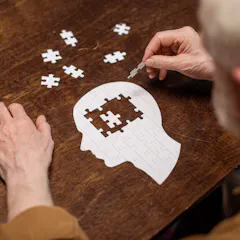
A CNN documentary follows two people with Alzheimer’s who took part in a study to determine if lifestyle changes can reverse symptoms.

In 2022 the top five conditions involved in deaths in Australia were coronary heart disease, dementia, high blood pressure, cerebrovascular disease (such as a stroke) and diabetes.

A ‘complex’ job and an active social life can protect you from dementia – if you don’t less stress undo it all.

We now have the technology and knowledge to carry out real-time dream experiments with sleeping participants.

The NT government has invited views on access to voluntary assisted dying. But whether it should include access for those with dementia is not so clear cut.

Being arrested, getting a divorce, losing your job – all of these things are associated with an increased risk of developing Alzheimer’s.

Being aware of terminal lucidity can help loved ones understand it is part of the dying process.

The science linking obesity to dementia is complicated - here’s why

Most caregiving work is done by women. However, many contend with trying to balance their caregiving responsibilities with their own well-being and aspirations.

Children with childhood dementia progressively lose all previously acquired skills and abilities, such as talking, walking, learning, remembering and reasoning.

A loss of visual sensitivity could be an early predictor of dementia.

The traditional Japanese diet contains plenty of rice, fish, pickles, green tea, soybeans, miso and shiitake mushrooms.

When dementia patients on Medicare enroll in hospice, they lose other crucial supports and services.

Lives that matter: new novels by Trish Bolton and Graeme Nash defy the stereotypes of older women in fiction.

Current methods of screening for dementia have a range of limitations. Using virtual reality for cognitive screening is still a new area, but it’s showing promise.
Medicare covers an annual well-check visit that could potentially identify cognitive issues, but only about half of beneficiaries take advantage of them.
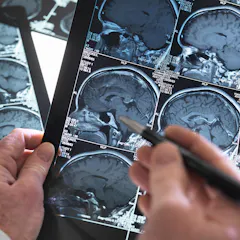
Middle age could be a period when we can detect early risk factors of future cognitive decline.

A new study suggests that talking speed is a more important indicator of brain health than difficulty finding words.

A study of US veterans found that one in ten had been wrongly diagnosed with dementia, when they actually had a treatable liver condition.
Top contributors
-

Professor of Biological Psychology, Loughborough University
-
PhD Candidate, Neuroscience, University of Sheffield
-
Head of Clinical Services, Dementia Support Australia, & Associate Professor of Psychiatry, Monash University
-
Research Fellow in Neuroimmunology, UCL
-
Associate Professor, Turner Institute for Brain and Mental Health, Monash University
-
Professor of Chemistry and Senior Scientist of the Krembil Research Institute, University Health Network, University of Toronto
-
Associate Professor | Deputy Director, The MARCS Institute for Brain, Behaviour and Development, Western Sydney University
-
Lecturer, School of Psychology, UNSW ; Neuroscience Research Australia
-
Senior Research Fellow in the Institute of Population Health & NIHR ARC North West Coast Social Care Theme Lead, University of Liverpool
-
Associate professor, University of Sydney
-
Host, The Conversation Weekly Podcast, The Conversation
-
Professor in Ageing and Health, University of Sydney
-
Affiliate Professor, Department of Family Medicine, McGill University
-
Professor Emeritus of Molecular Neurobiology at the University of Manchester and a Visiting Professorial Fellow, University of Oxford
-
Associate Professor in Cellular Neuroscience, University of Reading