

Large study questions marriage’s protective effect on brain health. But the picture is complex.
Articles on Dementia
Displaying 121 - 140 of 565 articles

Caring for a loved one with dementia, particularly if they’re a parent, takes a unique emotional toll on a young person. They need better support.

Competing realities can be a major source of distress for those with dementia and some ways of responding are more effective than others.
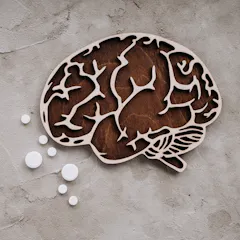
Rather than seeking a single cure — a magic bullet — for Alzheimer’s disease, a shotgun blast of different drugs with different targets may be a better approach to this very complex condition.

Nurses face alarming rates of violence at work. These attacks too often go unreported, and they are fueling burnout and rampant turnover across the profession.

Fine-tuning our oral microbiomes might be the key to fighting dementia.

The researchers theorise the protective effects of these drugs could be because they reduce inflammation, control infections and improve overall brain health.

Familiar flavours, scents and cooking techniques can provide support and comfort to those living with dementia.
An anaesthesia gas could be the next big thing in treating Alzheimer’s disease.

Research shows that people who take these weight-loss medications may have a lower risk of dementia and numerous other health conditions.

A large new study from the US has found an association between eating processed red meat and a future dementia diagnosis.

The study shows cognitive processing speed increased even when participants were moderately active.
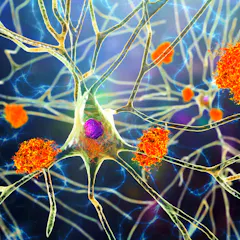
Tau behaves abnormally in the brain in people with Alzheimer’s disease. This latest study points to a reason why.

For people with dementia, memories from the distant past, including early parenthood, can be more salient that recent events.

Many older people could live independent lives in smart homes, but so far the technology has failed to live up to the hype.

Brain-training games may have cognitive benefits, but other challenging activities are proven to help our brains function at their best.

There is a lot of outrage that the new Alzheimer’s drug donanemab is being refused on the NHS. But there are good reasons for Nice’s decision.

Donanemab will only be available via private healthcare.

Music has a powerful effect on the brain.
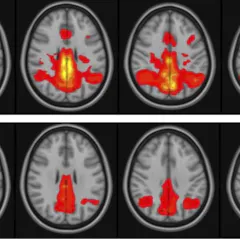
Concussion is considered a ‘mild’ injury, but effects can last a lifetime, especially with multiple impacts. Understanding their long-term effects can help predict who might develop neurodegeneration.
Top contributors
-

Professor of Biological Psychology, Loughborough University
-
PhD Candidate, Neuroscience, University of Sheffield
-
Head of Clinical Services, Dementia Support Australia, & Associate Professor of Psychiatry, Monash University
-
Research Fellow in Neuroimmunology, UCL
-
Associate Professor, Turner Institute for Brain and Mental Health, Monash University
-
Professor of Chemistry and Senior Scientist of the Krembil Research Institute, University Health Network, University of Toronto
-
Associate Professor | Deputy Director, The MARCS Institute for Brain, Behaviour and Development, Western Sydney University
-
Lecturer, School of Psychology, UNSW ; Neuroscience Research Australia
-
Senior Research Fellow in the Institute of Population Health & NIHR ARC North West Coast Social Care Theme Lead, University of Liverpool
-
Associate professor, University of Sydney
-
Host, The Conversation Weekly Podcast, The Conversation
-
Professor in Ageing and Health, University of Sydney
-
Affiliate Professor, Department of Family Medicine, McGill University
-
Professor Emeritus of Molecular Neurobiology at the University of Manchester and a Visiting Professorial Fellow, University of Oxford
-
Associate Professor in Cellular Neuroscience, University of Reading