
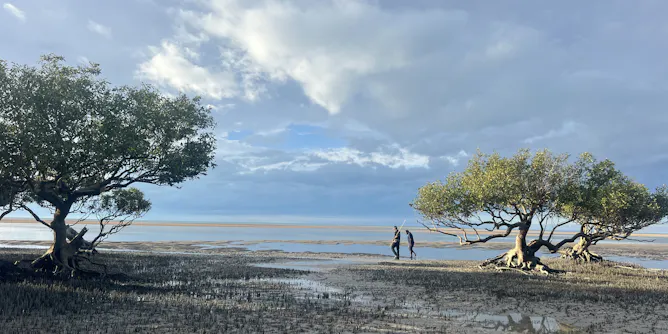
Since the first pilot program in 1998, Australia’s Indigenous Protected Areas have grown hugely. How can we strengthen them for the future?
Articles on Cultural burning
Displaying 1 - 20 of 25 articles
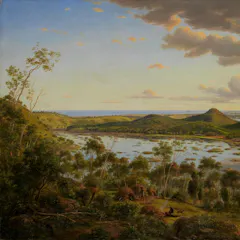
From oyster reefs to bandicoot grasslands, many Australian ecosystems no longer exist. Restoring nature is a good goal – but we cannot return to the past.
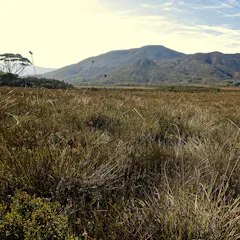
In Tasmania’s remote southwest, dry lightning storms are starting huge conflagrations across treeless plains. Could a return to cultural burning help?
As Australia faces longer, more erratic fire seasons, tools like this may prove essential for staying one step ahead of the flames.

Reducing risk and managing beneficial fires require co-ordinated action from governments, communities and individuals.
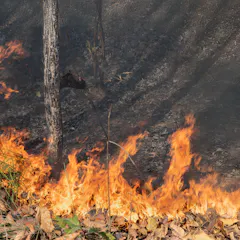
Cultural burning has enjoyed a strong resurgence in recent years. Now this cool burn technique is being used to ward off disastrous bushfires

In the 1940s, RAAF planes took aerial photographs of the Great Sandy Desert, capturing something valuable: the patterns of burning performed by our ancestors over generations.
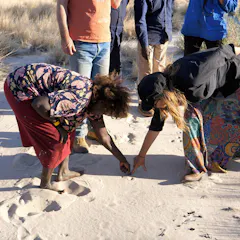
Footprints, droppings, diggings and other signs left behind by animals reveal a lot to a skilled observer. Indigenous knowledge feeds into one of Australia’s largest wildlife monitoring endeavours.
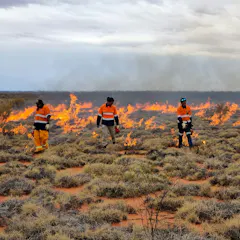
Australia has just listed Indigenous knowledge among its science priorities – after First Nations knowledge has long gone uncredited in Western ‘discoveries’, such as life-changing drugs.
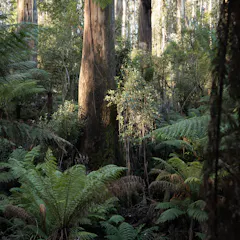
All the evidence – colonial accounts and records, First Peoples’ testimony and scientific data – points to the existence of widespread tall, dense forests 250 years ago.
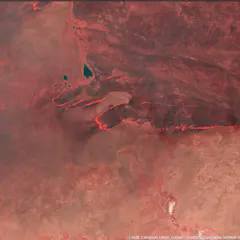
The 2023 megafires burnt more than 84 million hectares of desert and savannah in northern Australia. That’s larger than the whole of NSW, or more than three times size of the UK.

What does fire management do to soils? We compared prescribed burning to cultural burning and looked at how soil properties changed after fire. Cultural burning was better.
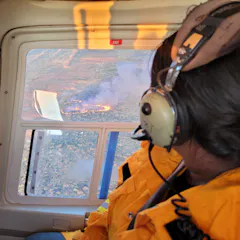
Deserts in Australia burn – and burn big – if fuel is left to build up. But this year, Indigenous rangers across the deserts have burned huge tracts early to make Country healthier.

Before the colonists came, we managed the land with careful use of cool burns. To stop giant bushfires, we have to learn again how to care for country.

Building a culture where fire is respected rather than feared is essential to maintain resilient landscapes.
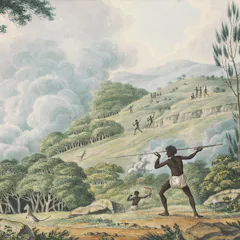
Researchers focused on a site in the Illawarra region of NSW, which holds a unique record into the past.

Shocking scenes of scorched koalas in the 2019-20 bushfires sparked research into cultural burns for wildlife. A two-year study on the world’s second-largest sand island suggests it’s the way to go.
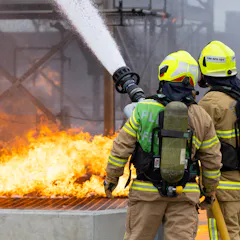
We need a way for our laws to protect both humans and nature when it comes to bushfire risk
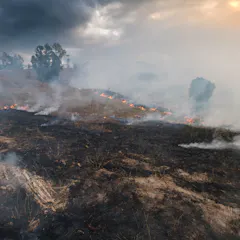
New research finds the Victorian town of Buchan never experienced catastrophic bushfires, until misguided laws banned the use of burning as a way to control the land.
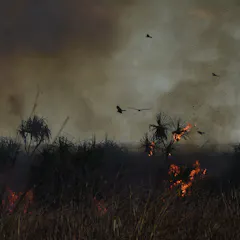
Indigenous fire management reduces the risk of bushfires, supports habitat and improves Indigenous wellbeing. Yet, the State of the Environment report this week found it’s underused.
Top contributors
-

Research Fellow in Disaster Resilience, Monash University
-
Professor of Wildlife Conservation, Australian National University
-
Professor in Biogeography, The University of Melbourne
-
Professor in Conservation Science, School of Ecosystem and Forest Science, The University of Melbourne
-
Senior research fellow, Charles Darwin University
-
Professor of Pyrogeography and Fire Science, University of Tasmania
-
Traditional Owner; Karajarri Lands Trust Association/UWA, Indigenous Knowledge
-
ARC DECRA Fellow, Australian National University
-
Professorial Fellow, Institute of Indigenous Knowledges, University of Tasmania
-
Professor, Department of Plant Science, University of Saskatchewan
-
Distinguished Professor of Ecology, Fenner School of Environment and Society, Australian National University
-
Research Fellow, Fenner School of Environment and Society, Australian National University
-
PhD Candidate in Historical Ecology, University of Waterloo
-
Associate Professor in Physical Geography, University of Nottingham
-
Vice-Chancellor's Research Fellow, Centre for Urban Research, RMIT University