
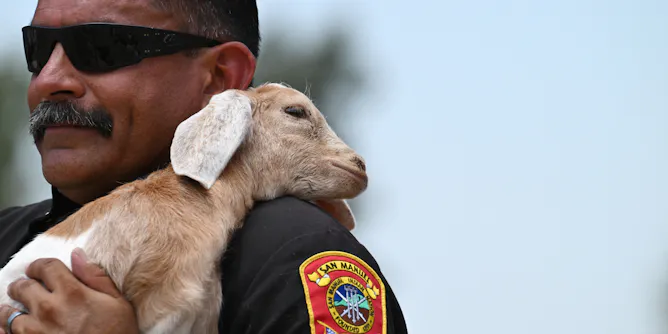
Targeted grazing is gaining interest as fire risk rises, particularly in hard-to-manage areas of the Western US. But it isn’t always as simple as it seems.
Articles on Wildfire management
Displaying 1 - 20 of 40 articles
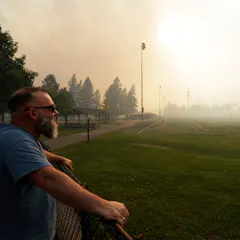
Extreme fire conditions converged in suburban neighborhoods built into the forests, shrubland and grasslands and quickly spread.
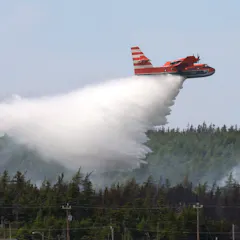
Canada’s wildfire aviation system remains decentralized. That model worked when fire seasons were staggered geographically. Increasingly, they are not.

Wildfires can cause contaminants to seep into waterways, polluting the drinking water that communities rely on.

The podcast was created in partnership with UFPA to showcase what scientists in Brazil and Australia are doing to mitigate the impacts of climate change

For decades, wilderness lands have been left largely unaltered by human activity. But those places are still changing, and keeping them wild and special may require action, not inaction.

Fire isn’t the enemy. Poorly timed, unmanaged fire is.

Reducing risk and managing beneficial fires require co-ordinated action from governments, communities and individuals.

New research examines the reasons for the decline of small mammals in Australia’s tropical savannas and identifies the most effective practical solutions.
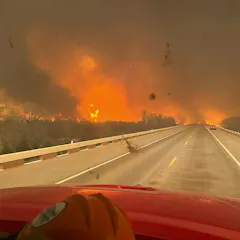
An analysis of 88 million wildfire observations over the past 21 years shows a strong increase in the frequency and intensity of the most extreme fires around the world.

There’s a strong case to be made for private landholders to conduct their own cool burns, for dual purposes of reducing fuel load and restoring the ecology.
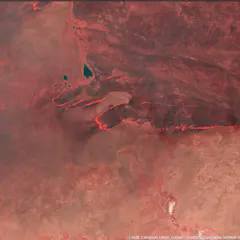
The 2023 megafires burnt more than 84 million hectares of desert and savannah in northern Australia. That’s larger than the whole of NSW, or more than three times size of the UK.
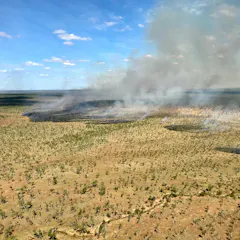
Indigenous fire management shaped Australian tropical savannas over millennia, until the arrival of Europeans pushed the landscape back into a dangerous, unmanaged state.

What does fire management do to soils? We compared prescribed burning to cultural burning and looked at how soil properties changed after fire. Cultural burning was better.
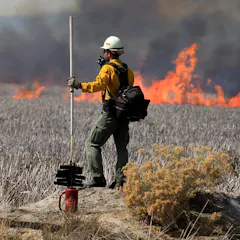
A hot, dry summer on the heels of a wet winter raises the risk of wildfires.
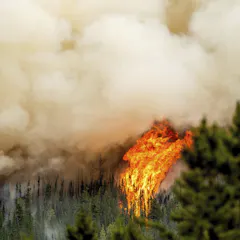
To effectively address climate hazards like wildfire, we must consider the diverse experiences of people, account for longstanding institutions and create processes that empower local people.
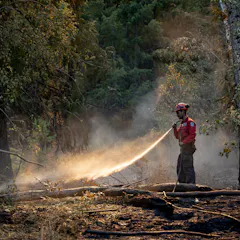
Effective collaboration may be a key to minimizing impacts of the growing wildfire season in Canada.

Many response decisions to crises cannot be made in advance because each event is unique and has its own specific characteristics. But it is still possible to prepare for the future.

The El Niño is a reminder that bushfires are part of Australian life. But whether or not this fire season is a bad one, Australia must find a better way to manage bushfires.

Building a culture where fire is respected rather than feared is essential to maintain resilient landscapes.
Top contributors
-

Associate Professor of Geography and Director, Earth Lab, University of Colorado Boulder
-
Cooperative Extension Forester and Natural Resources Advisor, University of California, Division of Agriculture and Natural Resources
-
Senior research fellow, Charles Darwin University
-
Associate Professor of Civil Engineering, Boise State University; United Nations University
-
Cooperative Extension Forester and Natural Resources Advisor, University of California, Division of Agriculture and Natural Resources
-
Director of the Earth Lab Analytics Hub, University of Colorado Boulder
-
Ph.D. Student, Dept. of Geography, University of Colorado Boulder
-
Honorary Senior Research Fellow, University of Wollongong
-
Senior Research Fellow, ARC Centre of Excellence for Indigenous and Environmental Histories and Futures, and College of Science and Engineering, James Cook University
-
Honorary Associate Professor, Fire Ecology and Management, The University of Melbourne
-
Researcher in Residence, Pacific Institute for Climate Solutions, University of Victoria
-
Professor, Department of Plant Science, University of Saskatchewan
-
Research assistant professor, University of Alaska Fairbanks
-
Assistant professor, Resource and Environmental Management, Simon Fraser University
-
NAFI Service Manager and Knowledge and Adoption Coordinator, Charles Darwin University