
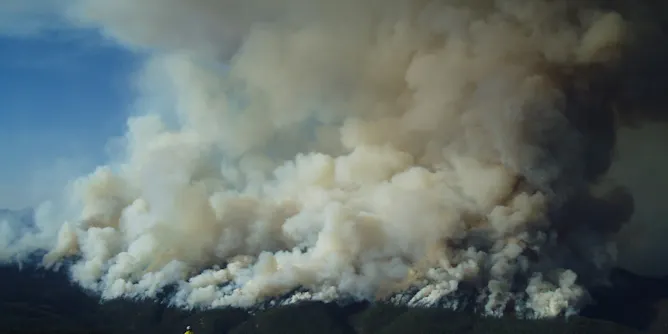
For decades, wilderness lands have been left largely unaltered by human activity. But those places are still changing, and keeping them wild and special may require action, not inaction.
Articles on Indigenous fire
Displaying 1 - 20 of 27 articles
One of North America’s richest ecosystems, sustained and shaped by Native peoples before European contact, nearly disappeared. A recovery is underway.
As Australia faces longer, more erratic fire seasons, tools like this may prove essential for staying one step ahead of the flames.

Indigenous forest management practices can help control wildfires’ frequency and severity, while also restoring people’s connections to the land.
The Trump administration and members of Congress propose cutting environmental reviews and public involvement to boost logging. But data show reviews aren’t the problem.
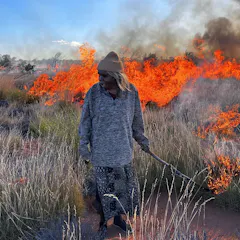
A return to traditional Indigenous burning practices in the Gibson and Great Sandy deserts is helping protect the ninu, or greater bilby.
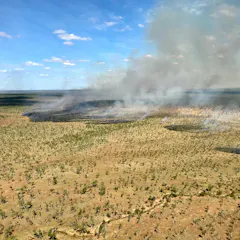
Indigenous fire management shaped Australian tropical savannas over millennia, until the arrival of Europeans pushed the landscape back into a dangerous, unmanaged state.

What does fire management do to soils? We compared prescribed burning to cultural burning and looked at how soil properties changed after fire. Cultural burning was better.

The El Niño is a reminder that bushfires are part of Australian life. But whether or not this fire season is a bad one, Australia must find a better way to manage bushfires.
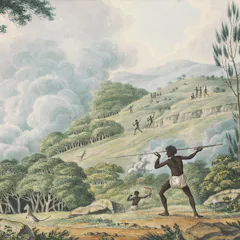
Researchers focused on a site in the Illawarra region of NSW, which holds a unique record into the past.
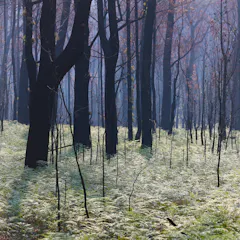
In one finding, fire authorities chose to save a few farm sheds over 5,000 hectares of national park. Clearly, our fire management needs a reset.

The Kakadu region has gone through immense transformation throughout history. How can archaeological food scraps tell us about how the First Australians adapted?
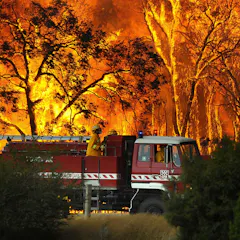
Indigenous fire management holds the key to a safer, more sustainable future on our flammable continent.
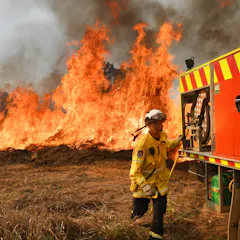
In this era of mega-fires, diverse strategies are urgently needed so we can safely live with fire.
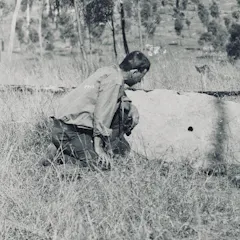
The paradise parrot was rediscovered by Cyril Jerrard, a Queensland grazier, in December 1921. But its return was fleeting.
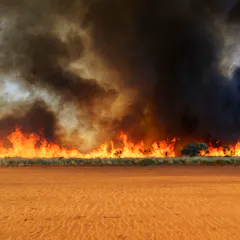
Fires in arid Australia are extensive, largely unmanaged, often destructive and significantly under-reported.

Large and out-of-control wildfires can seriously damage ecosystems, but Indigenous fire practices can keep ecosystems healthy and resilient, and even increase biodiversity.
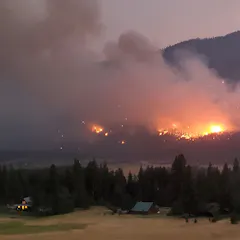
More than 40 fire scientists and forest ecologists in the US and Canada teamed up to investigate why wildfires are getting more extreme. Climate change is part of the problem, but there’s more.

A new book by an eminent anthropologist and archaeologist mounts a rigorous critique of Dark Emu, repudiating notions of ‘primitive’ hunter-gatherers.

Australia can take great strides forward in climate policy and action. A reactionary, incremental approach to adaptation will fall short. Now is the time to think big.
Top contributors
-

Professor of Pyrogeography and Fire Science, University of Tasmania
-
Honorary Senior Research Fellow, University of Wollongong
-
Emeritus professor, University of Wollongong
-
Indigenous Chair of Biodiversity & Environmental Science, Curtin University
-
Researcher, UNSW
-
Senior Ecological Economist, Charles Darwin University
-
PhD Candidate in Historical Ecology, University of Waterloo
-
Traditional Knowledge Holder
-
Senior research fellow, Charles Darwin University
-
Lecturer in Archaeological Science, Australian National University
-
Partner Investigator, ARC Centre of Excellence for Indigenous and Environmental Histories and Futures, James Cook University
-
Associate Professor in Physical Geography, University of Nottingham
-
Senior Research Fellow, The University of Melbourne
-
Associate professor, UNSW
-
Emeritus Professor, Fenner School of Environment & Society, Australian National University