

Merck and Pfizer both have oral antiviral pills under review by the FDA. Such treatments could help turn the tide of the pandemic.
Articles on COVID-19 pandemic
Displaying 121 - 140 of 362 articles
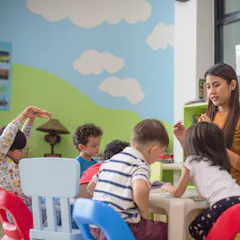
The pandemic highlighted Australia’s reliance on early childhood educators, while adding to their existing stresses. A study of how educators fared identifies three key factors in their well-being.
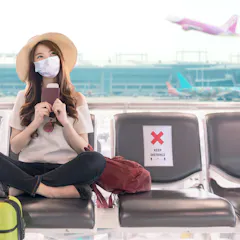
Events have overtaken state plans for limited numbers of international students to return. With NSW dropping quarantine for fully vaccinated arrivals, flight capacity is the final obstacle.

Indian students in Australia haven’t had the experience they hoped and paid for. Campuses closed, they lost work and they watched helplessly from afar as COVID-19 ravaged their home country.
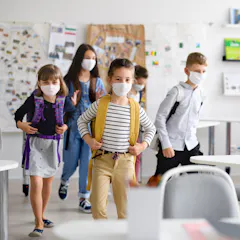
Many children will thrive on return to school. Others may need a bit more support to adjust to this big change in their lives and manage any anxieties they might have.

A draft strategy for the English-language teaching sector released in 2020 was put on hold. In revisiting the strategy, we emphasise the advantages that Australia’s multilingualism offers learners.
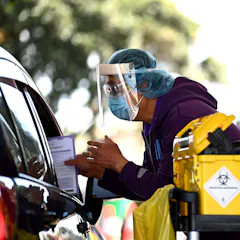
If COVID-19 becomes endemic, we’ll see multiple local outbreaks. Schools and businesses will close for days because too many people are sick. Local hospitals will be overwhelmed without warning.

Academics in all areas have deep concerns about their ability to undertake research during the pandemic and the flow-on effects of this. Women and early career researchers were particularly hard hit.
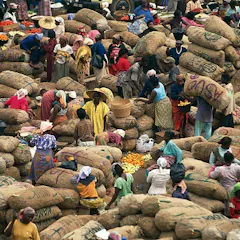
While inequality is a global problem, its growth is most pronounced and the political, social and economic challenges it poses are most complex and pronounced in the global South.

Even during difficult times, it is possible to stay well if we can accept the circumstances, stay connected and validate how we feel.
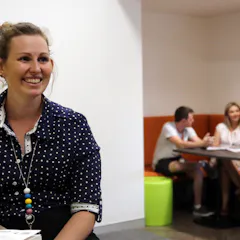
Community-run centres in regional and remote Australia are having positive impacts on students who were historically under-represented at university and at high risk of dropping out.

The pandemic is forcing many academics to consider their future. These are tough times for universities and many have lost jobs, but those fortunate enough to have a choice should weigh up all options.

Many Balinese believe COVID-19 cannot be fought with health measures alone, and requires ritual offerings and prayer. But collective ritual places people at more risk.

Universities must move swiftly to attend to students’ needs when borders reopen if Australia is to regain market share in the face of fierce global competition.

When students shift to learning from home, they lose many of the in-school support structures and resources. While the priority is students’ well-being, schools have developed new teaching strategies.
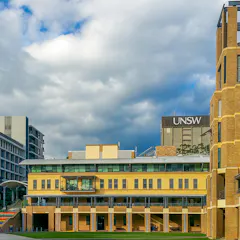
Revenue fell by more than $2 billion in 2020 – less than feared – but universities are increasingly vulnerable to worsening conditions, with losses of international students accelerating.

New research shows mindfulness training can be effective when delivered online. The benefits for university students included one particularly notable development for well-being.
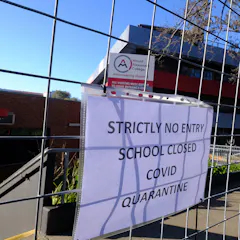
The impacts of the pandemic on students and the stigma of having had COVID-19 could be leading to bullying. It’s a complex situation, requiring schools, parents and medical experts to work together.
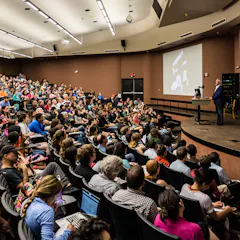
Many universities overseas have already made vaccination a condition of being allowed on campus. There are precedents for this policy, which is based on strong public health and economic grounds.
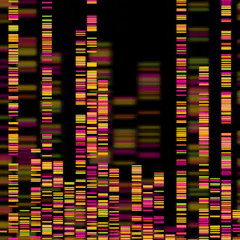
As more genomes are sequenced, it will become clearer when and how the Delta variant slipped through the New Zealand border. The greater the diversity in genomes, the older and larger the outbreak.
Top contributors
-

Professor in Applied Mathematics, University of Canterbury
-
Professor of Public Health, University of Otago
-
Adjunct professor, Te Herenga Waka — Victoria University of Wellington
-
Associate professor, University of Canterbury
-
Professor of Public Health, University of Otago
-
Research assistant, University of Auckland, Waipapa Taumata Rau
-
Research Associate Professor of Public Health, University of Otago
-
Senior Lecturer, University of Auckland, Waipapa Taumata Rau
-
Professor and Director, Mitchell Institute, Victoria University
-
Associate Professor, Epidemiology and Environmental Health, University of Canterbury
-
Assistant Professor of History, University of Pittsburgh
-
University Professor of Sociology, Syracuse University
-
Professor of Biostatistics and Epidemiology, Adelaide University
-
Research scientist in mathematical modelling, Manaaki Whenua - Landcare Research
-
Research scientist, Manaaki Whenua - Landcare Research