
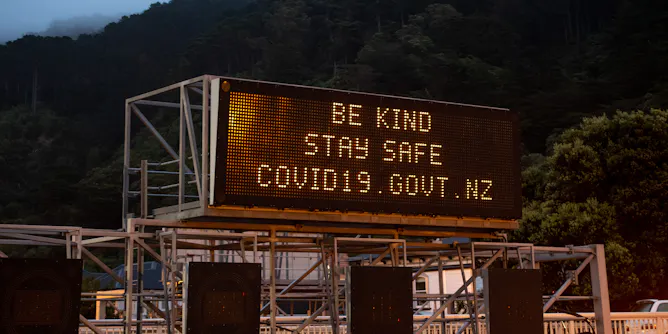
The first year of dealing with the pandemic has taught New Zealand many lessons — including how we might tackle systemic social and environmental problems.
Articles on COVID-19 pandemic
Displaying 181 - 200 of 362 articles
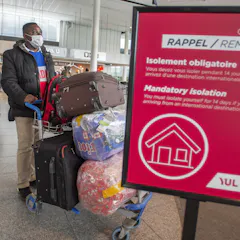
Our buildings and cities were not designed to handle a pandemic. But countries around the world are coming up with design ideas, some high-tech and some more basic, to reduce the infection risks.

Universities have legitimate reasons for employing some staff on casual contracts, but the impacts of the COVID pandemic have brought long-standing problems to a head. Now is the time to act on these.

Chinese international students stuck offshore due to border closures face shame, family tension and pressure to give up their dreams of studying in Australia. Some are even being urged to get married.

The rapid increase in the number of infections is the most obvious reason why new variants of the virus have been emerging recently. Case numbers doubled in just two months at the end of 2020.

The highly infectious nature of the COVID-19 variant, and the fact the infections have no clear link to the border, leaves the worrying possibility of a more widespread community outbreak.
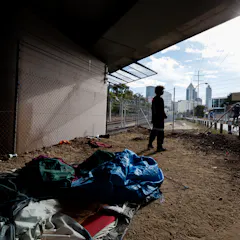
More people than expected needed help, and the states have found stable housing for less than a third of rough sleepers who were put up in hotels. A hands-off federal government simply isn’t helping.

As the COVID-19 pandemic, restrictions and quarantines continues into their second year, more people are experiencing an acute form of COVID-boredom.
The approval of the first of four COVID-19 vaccines marks the first step in New Zealand’s plans for a Pacific-wide immunisation rollout.
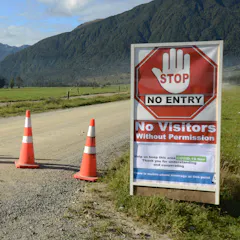
A variant with a higher transmission rate is much more dangerous than one with just a higher fatality rate.

As the eradication of polio and the successful rollout of AIDS treatments have shown in the past, global cooperation in the face of COVID-19 is possible.
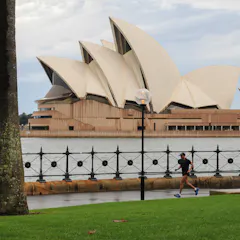
It could easily be another 12 months until Australians are fully vaccinated. While we’ve had great success fending off the coronavirus, our leaders need to work even more closely to prevail this year.
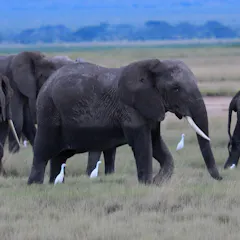
Wildlife tourism is big business – until a pandemic halts international travel.
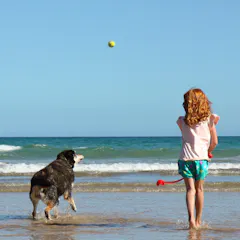
New Zealanders will have be prepared to change holiday plans if there is an new community outbreak.

Student mental health was already an issue before the pandemic. And then students felt the strain on all fronts as studies went online and they lost jobs and social contacts.
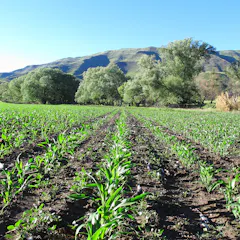
As African economies recover from the COVID-19 pandemic, governments should explore technologies like global positioning systems and blockchain for use in the registration of land rights.

Walking all parts of Melbourne before and after the pandemic hit was eye-opening. It brought home just how much change is possible if we wish for a better, more sustainable way of living.
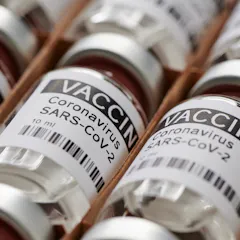
Vaccine hesitancy is not new, but it has a new element: few people can remember the devastating impact of diseases such as smallpox and polio and it is hard to see the lives saved by vaccination.
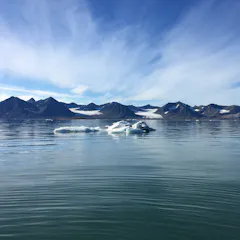
Three scientists describe the fieldwork they’ve had to delay in 2020 because of the pandemic. These are setbacks not just for their careers, but for the body of scientific knowledge.

Analysis of online listings on common online platforms shows even modest reductions in Airbnb listings increased supply of longer-term rentals. The result was lower local rents.
Top contributors
-

Professor in Applied Mathematics, University of Canterbury
-
Professor of Public Health, University of Otago
-
Adjunct professor, Te Herenga Waka — Victoria University of Wellington
-
Associate professor, University of Canterbury
-
Professor of Public Health, University of Otago
-
Research assistant, University of Auckland, Waipapa Taumata Rau
-
Research Associate Professor of Public Health, University of Otago
-
Senior Lecturer, University of Auckland, Waipapa Taumata Rau
-
Professor and Director, Mitchell Institute, Victoria University
-
Associate Professor, Epidemiology and Environmental Health, University of Canterbury
-
Assistant Professor of History, University of Pittsburgh
-
University Professor of Sociology, Syracuse University
-
Professor of Biostatistics and Epidemiology, Adelaide University
-
Research scientist in mathematical modelling, Manaaki Whenua - Landcare Research
-
Research scientist, Manaaki Whenua - Landcare Research