

While the official figures are lower than earlier estimates of job losses, they also show certain types of employees – casual, non-academic and younger staff – bore the brunt of the staff cuts.
Articles on COVID-19 pandemic
Displaying 101 - 120 of 362 articles
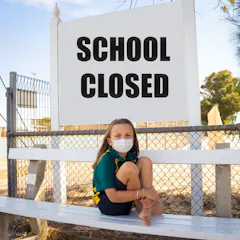
The plans to keep schools open through the wave of Omicron infections fail to take into account the particular challenges of staffing rural and remote schools.

Life-saving blood is needed for everything from treating cancers and chronic conditions to helping trauma victims. But blood donations have dropped to crisis levels during the pandemic.
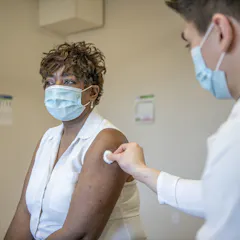
Studies suggest seniors without the booster shot run a higher risk of infection and hospitalization from the omicron variant.
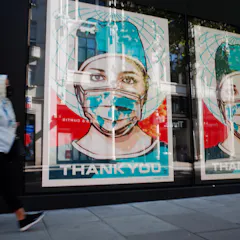
None of our authors can see the future, but many do have expertise that offers insights about what’s reasonable to expect.

People have formed tribes since the dawn of time and, in the digital age, online tribes are helping members deal with all the uncertainties and decisions involved in getting kids ready for school.

The threat of COVID may be receding, but the fall-out will continue to affect business in the coming year, requiring strong leadership to navigate uncertain times.
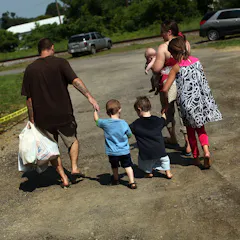
The 2021 child tax credit expansion helped lift millions of families with children out of hunger. After those payments ended in December 2021, those families may again face food insufficiency.

Research on the experience of Indian international students shows the importance of strong social networks for a productive and fulfilling time in Australia.
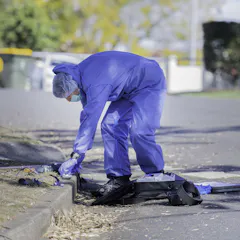
There are no COVID-specific protocols for forensic officers collecting evidence from crime scenes. New recommendations suggest how teams and their equipment can be reorganised to minimise the risk.
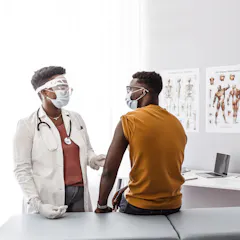
Communication breakdowns between doctors and their patients have real-life consequences and can result in poorer health outcomes and sicker patients.
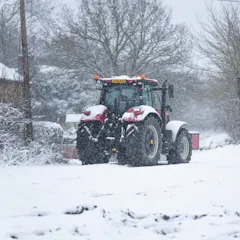
Two profoundly disruptive events combined to make life even more challenging for UK farmers, and now their mental health is suffering. Here’s what can be done.

Canada’s emergency management system is poorly funded and lacks consistent attention between disasters. This chronic underfunding has undermined public confidence and trust in emergency management.

The deaths of huge numbers of the elderly in our care homes due to COVID-19 made clear the need to integrate our health and social care services. Here’s what needs to be done.

Since the pandemic began university decision-making has become more student-centred in response to students’ demands for flexibility.

Australia’s major competitors in the international education market are already rebounding from the pandemic and have issued record numbers of student visas.

It appears that the rhythms of your brain waves get in sync with the speech patterns of the person you’re conversing with. Videoconferencing throws off that syncing process.

Changes to National Employment Standards have done little for casual staff hoping for conversion to ongoing positions. A comprehensive review of university work and employment is long overdue.

While 18 universities suffered medium to high financial impacts, the incomes of eight increased or were stable. Overall revenue fell 5% – less than feared – but 35,000 staff lost their jobs.

After a nose swab tests positive for a virus or bacteria, scientists can use the sample’s genetic sequence to figure out where and when the pathogen emerged and how fast it’s changing.
Top contributors
-

Professor in Applied Mathematics, University of Canterbury
-
Professor of Public Health, University of Otago
-
Adjunct professor, Te Herenga Waka — Victoria University of Wellington
-
Associate professor, University of Canterbury
-
Professor of Public Health, University of Otago
-
Research assistant, University of Auckland, Waipapa Taumata Rau
-
Research Associate Professor of Public Health, University of Otago
-
Senior Lecturer, University of Auckland, Waipapa Taumata Rau
-
Professor and Director, Mitchell Institute, Victoria University
-
Associate Professor, Epidemiology and Environmental Health, University of Canterbury
-
Assistant Professor of History, University of Pittsburgh
-
University Professor of Sociology, Syracuse University
-
Professor of Biostatistics and Epidemiology, Adelaide University
-
Research scientist in mathematical modelling, Manaaki Whenua - Landcare Research
-
Research scientist, Manaaki Whenua - Landcare Research