
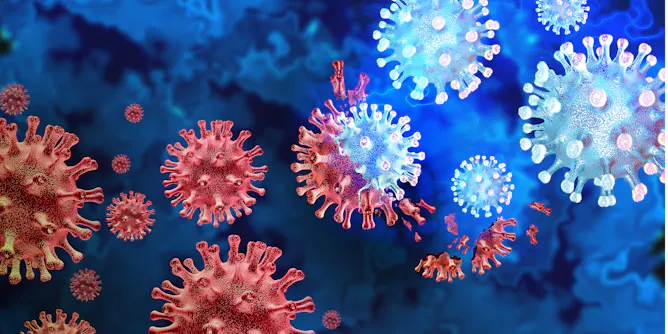
Many questions remain about next steps for US vaccine policy. But the FDA advisory panel’s hearty endorsement of a single-composition COVID-19 vaccine represents a pivotal step.
Articles on COVID-19 pandemic
Displaying 61 - 80 of 362 articles
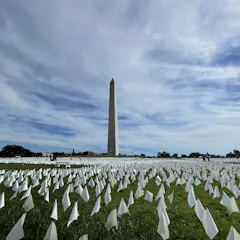
Taking into consideration the number of excess deaths caused by COVID-19 compared with pre-pandemic years is critical to getting an accurate accounting of the pandemic’s real toll.

While there are still far more questions than answers about long COVID-19, researchers are beginning to get a clearer picture of the health and economic consequences of the condition.

Dancing requires physical, social and cognitive engagement and, as a result, it may bolster a wide network of brain regions.
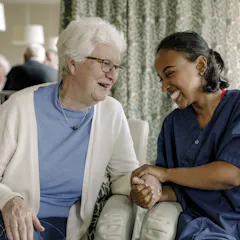
Social isolation and loneliness in aging adults have been linked to numerous physical and mental health ailments. Teaching students how to listen deeply to older people can lessen those effects.

Americans are saving just over $2 of every $100 in disposable income after setting aside historically high amounts of cash during the pandemic.

The pre-Christmas period puts New Zealanders at high risk of exposure to COVID. Even at small gatherings of ten people, the probability someone has the virus has increased from 2-3% to about 15%.
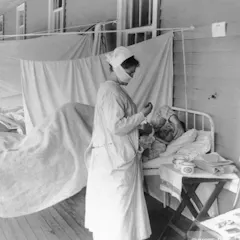
During the 1918 flu pandemic, white people died at similar rates to Black Americans, according to a new study – a very different pattern than what occurred during the COVID-19 pandemic.
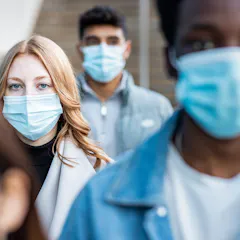
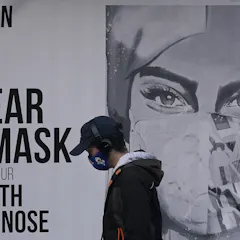
Decades of research show that respiratory illnesses are dramatically reduced when people wear face masks.
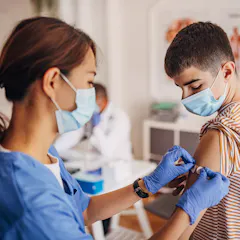
Nurses who identify as Democrats have a significantly higher likelihood of having their children vaccinated against COVID-19 than those who identify as Republicans.
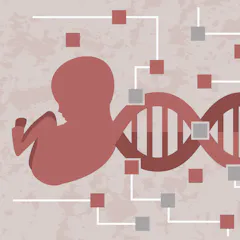
Genetic conflict may play a role in pregnancy complications, such as preeclampsia and gestational diabetes, as well as developmental disorders.

New Zealand’s proportion of reinfections is now at 17% of new cases. As new variants continue to proliferate, vaccine boosters would protect those most vulnerable and reduce the risk of long COVID.

Public health officials monitor sewage in local communities to track COVID, polio, flu and more. But no one asks the people being monitored for their permission – raising some questions and concerns.
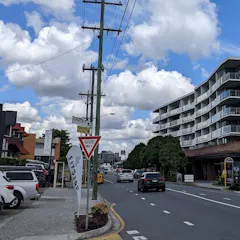
The zoning policies that planners introduced to create vibrant and resilient mixed-use neighbourhoods have had the opposite effect, as services and residential developments crowd out light industry.

Supports that were crucial in helping Canadians with disabilities stay afloat during COVID-19 are no longer available, causing concern from many about their economic future.

New Zealand has done better than most countries by taking decisive action at the start of the COVID pandemic. Now is the time to build on this with a science-based strategy to manage the next stages.

The decision to remove the testing requirement for international arrivals seems shortsighted. All outbreaks in Aotearoa have been caused by new variants coming across the border.
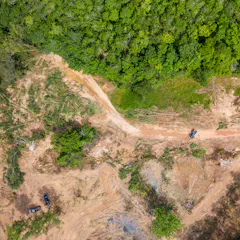
Exposure to diverse microbes boosts our immunity, while spending time in nature restores wellbeing. And COVID reminds us of the risks of new viruses when we intrude on and degrade natural habitats.
The spread of misinformation in many pandemics, including the smallpox and 1918 influenza outbreaks, have undermined efforts to contain infections and prevent deaths.

There is still much about these reports that remains unclear – but, in any case, it is inappropriate for a government to act with secrecy on such matters.
Top contributors
-

Professor in Applied Mathematics, University of Canterbury
-
Professor of Public Health, University of Otago
-
Adjunct professor, Te Herenga Waka — Victoria University of Wellington
-
Associate professor, University of Canterbury
-
Professor of Public Health, University of Otago
-
Research assistant, University of Auckland, Waipapa Taumata Rau
-
Research Associate Professor of Public Health, University of Otago
-
Senior Lecturer, University of Auckland, Waipapa Taumata Rau
-
Professor and Director, Mitchell Institute, Victoria University
-
Associate Professor, Epidemiology and Environmental Health, University of Canterbury
-
Assistant Professor of History, University of Pittsburgh
-
University Professor of Sociology, Syracuse University
-
Professor of Biostatistics and Epidemiology, Adelaide University
-
Research scientist in mathematical modelling, Manaaki Whenua - Landcare Research
-
Research scientist, Manaaki Whenua - Landcare Research