
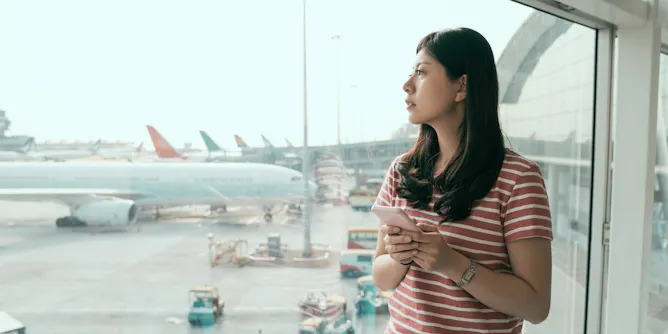
The first batch of returning international students are due to fly in this weekend, but Australia has a lot of work to do to maintain its pre-COVID share of the global education market.
Articles on COVID-19 pandemic
Displaying 201 - 220 of 362 articles
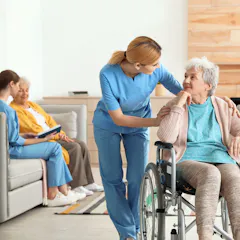
Health education curriculums need to specifically prepare healthcare professionals to respond to a pandemic when it comes to aspects like infection control, aged care and mental health.
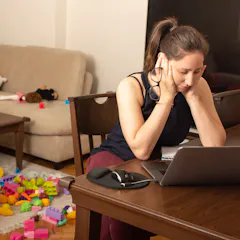
While enrolments for men over the age of 25 increased, numbers fell for women in this age group. A likely reason for the difference is caring responsibilities, which increased during the pandemic.
The pandemic has driven Australian workers and their employers to embrace the option of working remotely. And that has opened people’s eyes to the possibilities of living in regional Australia.

To navigate the toughest phase of their careers, junior academics need to know more than how to write research papers and apply for grants. Structured mentoring, based on their input, is a huge help.

COVID led to commuting time savings worth over $2,000 a year for each driver and $5,000 per public transport user. But as workplaces reopen, we may need road user charges to keep traffic flowing.

The way in which Australians think about leadership in the education sector has changed throughout the pandemic. It’s seen as a public good, with ethics and accountability gaining in importance.
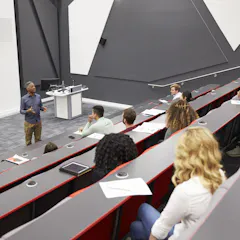
The halving of international student numbers living in Australia to 300,000 is a huge hit to universities’ revenue. But our cities and businesses will also feel the loss of so many residents.

Many Americans have been unable to pay their electric bills during the COVID-19 pandemic, racking up billions of dollars in delinquent bills. Where will the money come from?

During the coronavirus pandemic the Jerusalema dance challenge enacted a way for communities to connect - repetitive enough to be picked up and varied enough to tease.

Dogs process the sensory world very differently than humans, but love in a way that is entirely familiar.
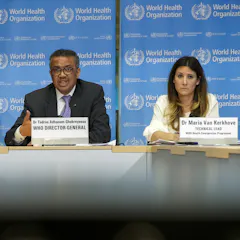
The WHO has been criticised for being slow to recognise the scale of the COVID-9 pandemic. We suggest a new protocol on infectious diseases to help with faster data collection and more open sharing.
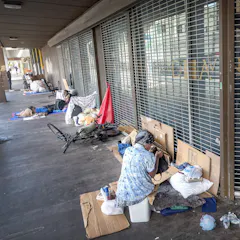
Australia found shelter for more than 33,000 rough sleepers and other homeless people during the pandemic, but a coming surge in homelessness demands a comprehensive national housing strategy.
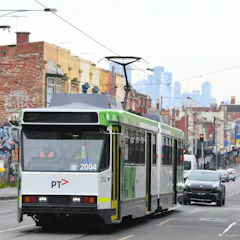
Melbourne could be out of lockdown within a week, if COVID-19 case numbers continue their current trend. But blanket rules such as the new 25km travel radius risk unnecessarily burdening the public.
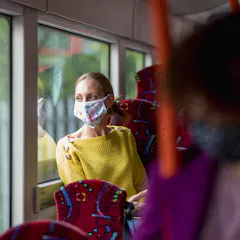
As ready as you are to be done with COVID-19, it’s not going anywhere soon. A historian of disease describes how once a pathogen emerges, it’s usually here to stay.
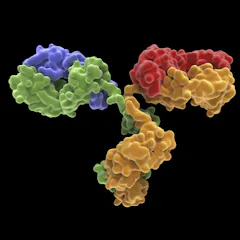
Antibodies are great for neutralizing viruses. But they are big and bulky. Antibody engineers are now creating smaller synthetic antibody-like molecules that may be better for fighting COVID-19.
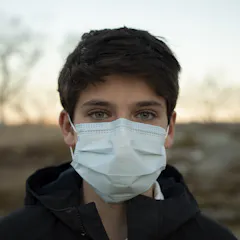
Children struggle amidst adversity, but these tumultuous and highly emotional times make it a critical time to teach ‘resilience’ – giving kids coping skills.
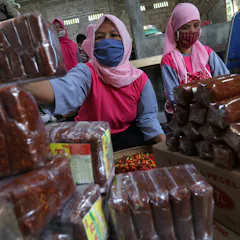
The preexisting gender inequalities put women at a higher risk of coronavirus.
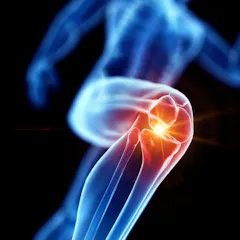
The SARS-CoV-2 virus usually infects the body via the ACE2 protein. But there is another entry point that allows the virus to infect the nervous system and block pain perception.
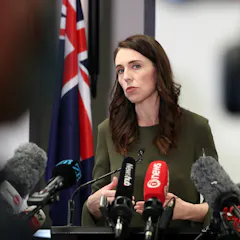
The latest COVID-19 modelling shows New Zealand will have a 50-50 chance of eliminating the virus again by the end of the month, provided the Auckland cluster stays contained.
Top contributors
-

Professor in Applied Mathematics, University of Canterbury
-
Professor of Public Health, University of Otago
-
Adjunct professor, Te Herenga Waka — Victoria University of Wellington
-
Associate professor, University of Canterbury
-
Professor of Public Health, University of Otago
-
Research assistant, University of Auckland, Waipapa Taumata Rau
-
Research Associate Professor of Public Health, University of Otago
-
Senior Lecturer, University of Auckland, Waipapa Taumata Rau
-
Professor and Director, Mitchell Institute, Victoria University
-
Associate Professor, Epidemiology and Environmental Health, University of Canterbury
-
Assistant Professor of History, University of Pittsburgh
-
University Professor of Sociology, Syracuse University
-
Professor of Biostatistics and Epidemiology, Adelaide University
-
Research scientist in mathematical modelling, Manaaki Whenua - Landcare Research
-
Research scientist, Manaaki Whenua - Landcare Research