
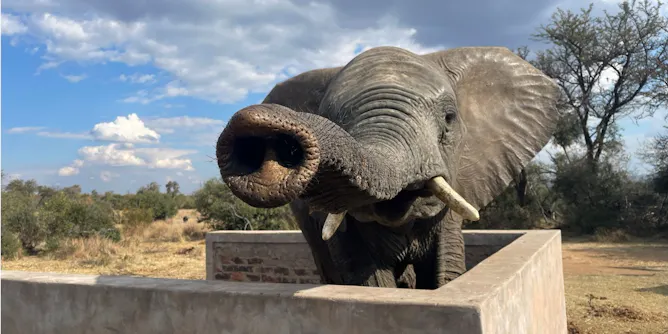
African savannah elephant numbers are surging. But for farmers in elephant territory, that can spell disaster. To solve human-elephant conflict, we might need to use smell.
Articles on Conservation
Displaying 301 - 320 of 1586 articles
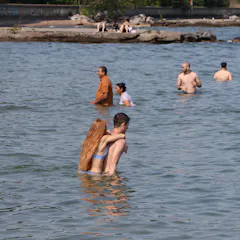
For decades, presidential candidates from both major parties have committed to cleaning up and protecting the Great Lakes. Here’s why.
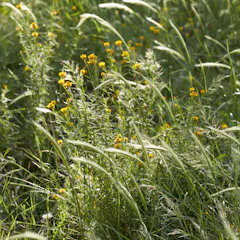
A project in Melbourne’s Royal Park has proved city parks and streets can be used as sites for nature repair that help endangered ecosystems and species to survive.
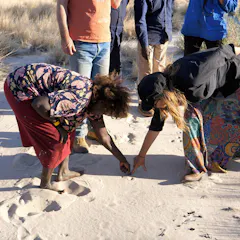
Footprints, droppings, diggings and other signs left behind by animals reveal a lot to a skilled observer. Indigenous knowledge feeds into one of Australia’s largest wildlife monitoring endeavours.
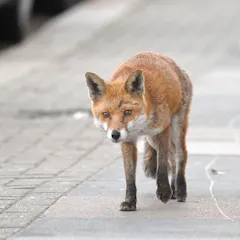
A recent study tested whether messages about bolder urban foxes are biasing how people feel about them.
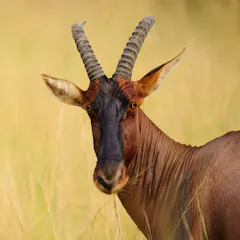
New model can show what’s driving the decline in populations of large mammals.
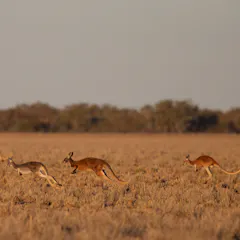
Have you ever paused to think about the athletic abilities of Australian wildlife? Let’s look at some of our best competitors and how might they fare in a contest against humans and overseas entrants.
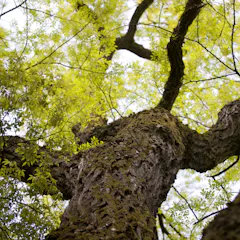
Invasive species are not always harmful; some can even provide key benefits to native habitats in an era of climate change. Canadian conservation efforts should embrace the movement of species.

Research finds that extensive feeding by invasive insects can cause trees to produce defense compounds, to the detriment of valued native insects.
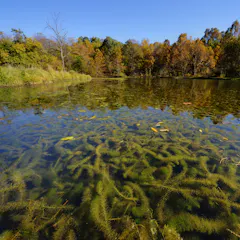
Freshwater ecosystems in Canada, and around the world, are more fragile than they look and vulnerable to invasive species. Canada’s lakes and rivers require constant vigilance to protect from invasion.
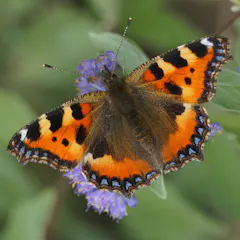
The Big Butterfly Count reported its worst results in 14 years of monitoring UK species.
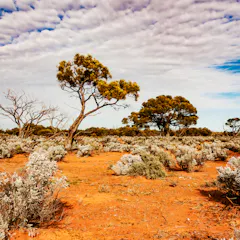
Australia’s main environment laws have long been regarded as not fit for purpose. But efforts to strengthen environmental protection have met huge pushback.
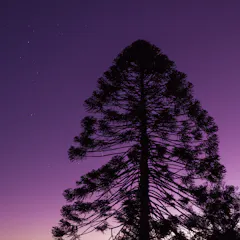
Pairing First Nations lore with genetic analysis lets us retrace how important food trees were deliberately moved thousands of years ago
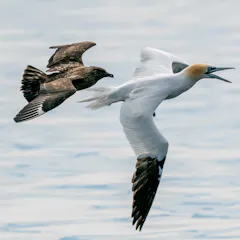
It’s easier to steal another seabird’s meal than catch your own fish. But this behaviour by skuas, frigatebirds and gulls is contributing to the spread of lethal avian influenza

There’s a widespread argument that ‘poachers’ are responsible for the scarcity of wild ginseng. But a scholar who has interviewed diggers explains that most of them are good stewards.

Turtles often encounter fences as they wander over land in search of water, or a mate. We tracked 20 turtles to study how they interact with fences. Here’s how to make fences turtle-friendly.
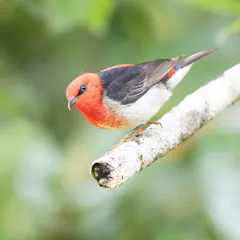
Better urban planning can help stem the loss of birds by protecting and connecting the areas of habitat they need to survive.
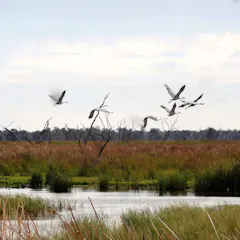
For the Kamilaroi of north-western New South Wales, the brolga and bittern are vital to culture. But conservation often doesn’t account for cultural knowledge or significance.
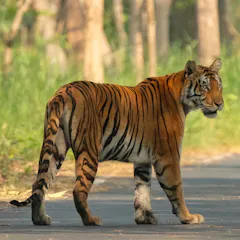
Tigers have bounced back, but some relocations may have done more harm than good.

Conservative, socialist or nationalist, what’s best for biodiversity? The results may surprise you. We studied 165 nations, examining threatened species numbers and the extent of protected areas.
Top contributors
-

Professor in Wildlife Ecology and Conservation, School of Life & Environmental Sciences, Deakin University
-
Professor in Conservation Science, School of the Environment, The University of Queensland
-
Distinguished Professor of Ecology, Fenner School of Environment and Society, Australian National University
-
Professor of Conservation Biology, Charles Darwin University
-
Professor of Environmental Management, The University of Queensland
-
Professor, Conservation Biology, The University of Queensland
-
Professor of Conservation and Sustainable Livelihoods, Charles Darwin University
-
Distinguished Research Professor and Australian Laureate, James Cook University
-
Lecturer in the School of Applied Sciences, Edinburgh Napier University
-
Professor in Conservation Science, School of Ecosystem and Forest Science, The University of Melbourne
-
University Fellow in Biodiversity, Charles Darwin University
-
Professor in Terrestrial Ecology, Deakin University
-
Professor of Wildlife Conservation, Australian National University
-
Professor in Ecology, Charles Sturt University
-
Professor, Urban Ecology and Biodiversity, The University of Melbourne; RMIT University