
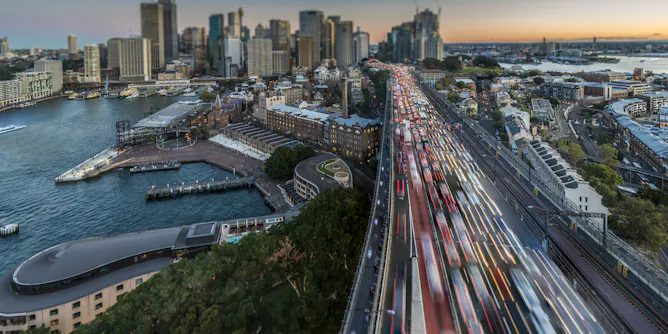
Planners have long tried to determine the ideal city size, and ideas have evolved with changing circumstances. But a good city depends more on the way it’s managed than on how many people it holds.
Articles on City planning
Displaying 81 - 100 of 145 articles
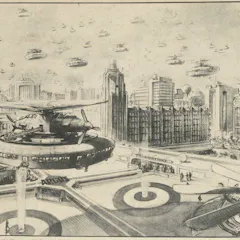
We have forgotten how to be imaginative when planning our cities. Looking back into Melbourne’s planning history, we might be able to find some inspiration to tackle rapid growth in a creative way.
Expo 88 helped to create Brisbane’s South Bank Parklands by raising expectations of what the city could be like.
Women encounter many difficulties in cities that are products of male design and planning. We need to move past the practice of one group shaping our world on behalf of everyone else.
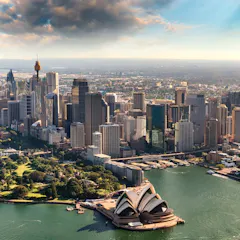
The connections between city planning and health are many and varied, but getting health objectives integrated into all aspects of planning in New South Wales has been a long struggle.

Governments have started to see automation as the key to brighter urban futures. But what will this look like?
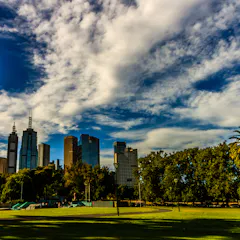
Australian cities are experiencing the third big wave of growth in their history. The response in the past was planning and investment in green infrastructure, and it’s time to do the same again.
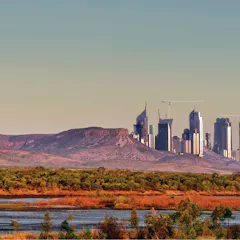
Business-as-usual projections assume our four biggest cities must absorb three-quarters of Australia’s population growth over the next 30 years. Might new cities be a better way to deal with it?

The population growth is in the west, but most of the jobs are still in the city centre. Three major development proposals could help reshape Melbourne in ways that help overcome this costly mismatch.
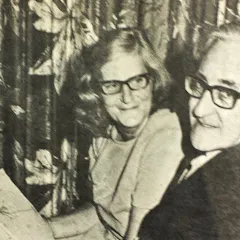
Ruth and Maurie Crow were early advocates of the compact city. They also warned 50 years ago that a clear justice intent was needed to shape cities for their citizens rather than vested interests.

Given the challenges Australian cities face, the need for urban planning based on solid research is greater than ever. Sadly, when it comes to research funding, planning is at the back of the queue.

One potential benefit of WestConnex, which remains untouched, is that it could relieve Sydney’s city centre from cars and make it more pedestrian-friendly.
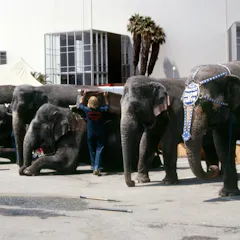
Looking back through all Melbourne’s strategic plans from 1929 onwards, it becomes clear that the 20th-century legacy of car-centric planning and its focus on parking is still deeply entrenched.
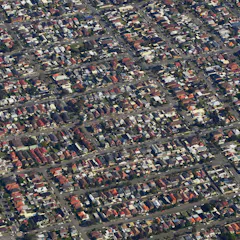
The future of Sydney is under constant scrutiny. But before we consider creating a ‘third city’ in Sydney’s west, we should ensure we get the current infrastructure up to international standards.
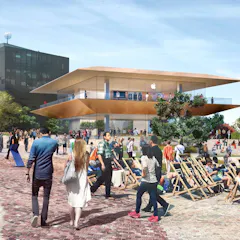
Apple’s interest in Federation Square, and in co-opting the idea of the public square in general, goes beyond the quest for profit.
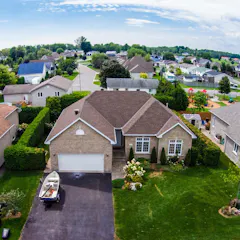
Many cities lack the resources to analyze their own vast troves of administrative data.

The State of Australian Cities Conference begins in Adelaide today. In major cities across the nation, there’s a stark contrast between lofty planning goals and the sprawling reality on the ground.

Toronto has entered a joint venture with a Google sister company to create a high-tech urban development area. The goal is to ‘re-imagine cities from the internet up’ – Google’s internet, of course.
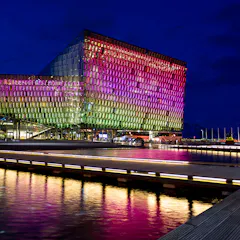
Digital media on building facades are changing the appearance of our cities. This creates a need for new urban policy guidelines to retain architectural quality and promote social engagement.
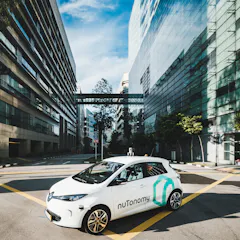
It’s clear autonomous vehicles will disrupt our cities, their land use and planning. Whether they make urban life better or worse depends on how well we anticipate and adapt to their impacts.
Top contributors
-

Professor of Human Geography and Planning, University of Tasmania
-
Senior Lecturer in Urban and Environmental Planning, Griffith University
-
Professor of International Planning, Centre for Urban Research, RMIT University
-
Associate Professor in Urban Planning, The University of Queensland
-
Professor of Planning, School of Built Environment, UNSW
-
Associate Professor of Urban Planning, The University of Melbourne
-
Head of Urbanism and Associate Professor of Urban Studies, School of Architecture, Design and Planning, University of Sydney
-
Associate Professor in Urban and Regional Planning, University of Sydney
-
Senior Lecturer in Urban Planning & Design, Monash University
-
Honorary Professor of Planning, The University of Queensland
-
Postdoctoral Research Fellow, The University of Queensland
-
Professor, City Futures Research Centre, Faculty of the Built Environment, UNSW
-
Professor Spatial Transformation, Hanze University of Applied Sciences, Groningen
-
Professor, Sustainability and Urban Planning, RMIT University
-
Deputy Director, Australian Urban Design Research Centre, The University of Western Australia