
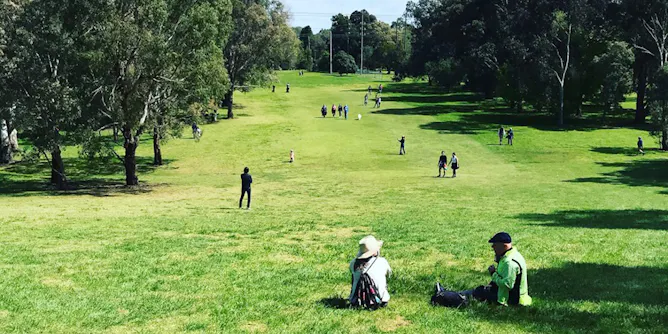
All parks are not equal. The response to the opening of golf courses to the public during the COVID pandemic shows the quality of green open space is a big issue for city residents.
Articles on City planning
Displaying 41 - 60 of 145 articles
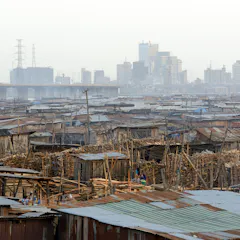
If we learn from COVID-19, there are three key areas to tackle to make cities safer from outbreaks of future infectious diseases.
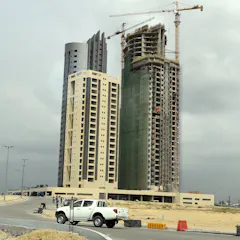
To achieve sustainable, functional buildings, architects in cities like Lagos need to consider local realities.
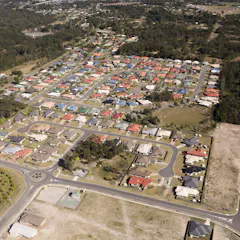
Australia lacks a coherent national approach to planning where settlement and growth happens. It’s time to take stock of our cities and regions and work together to improve outcomes across the nation.
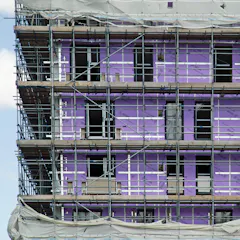
If more people work from home and shop online, many commercial buildings won’t be needed any longer. What will be needed is affordable housing, and these buildings can be converted to meet this need.
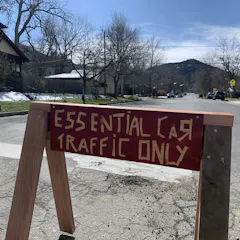
City streets were built to accommodate cars, but the COVID-19 pandemic has scrambled our transport needs. Many cities are moving to make streets more people-friendly and less car-centric.

City dwellers love their homes but there are different types of love that shape how cities are viewed and how they work.

Digital communications could be a force for greater local democracy in urban planning and development, but many councils use the technologies in ways that mirror traditional consultation.
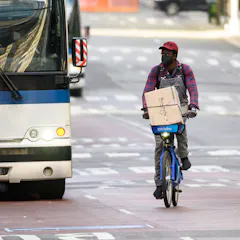
Low-income and minority groups are often reliant on cheaper modes of transport, but many find cycling to work problematic.
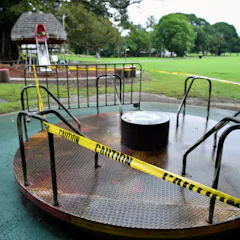
Re-imagining cities after COVID-19 is both a practical and philosophical task. People’s perceptions of places are changing. It is a time for planners and policymakers to plan with, not for, people.
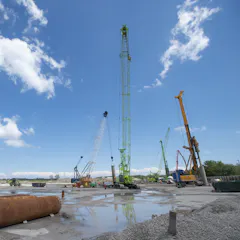
The economic impact of the coronavirus pandemic has caused Sidewalk Labs, a Google affiliate, to withdraw from the Toronto waterfront development partnership.

Cities can learn from past pandemics to see how communities and lifestyles are shaped by outbreaks.

After the ‘world’s biggest work-from-home experiment’, many people (and their employers) might decide they needn’t commute every day. If even a fraction do that, infrastructure needs will change.
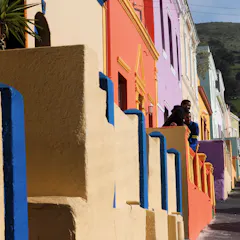
In reacting to the pandemic, architecture can reclaim its impact by conceding its loss of connection with public health, looking beyond Western thinking for its references.
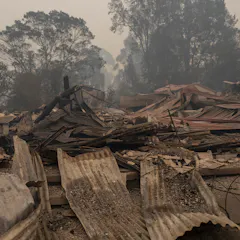
While the bushfire crisis might provoke a sense of urgency to rebuild, we need to stop and properly plan where and how we construct buildings and open spaces.
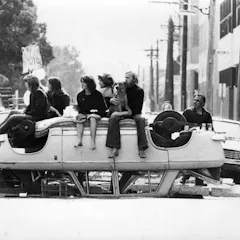
Public protests eventually forced the scrapping of some proposed freeways in 1973. Today, we have another round of projects and people are protesting again, with good reason. Government should listen.
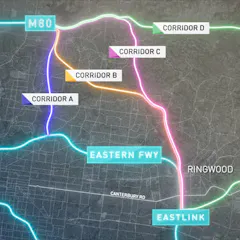
Transport modelling has been tarnished by its use to justify the predetermined projects politicians favour. But, if used more transparently, it’s a valuable tool for planning our future cities.
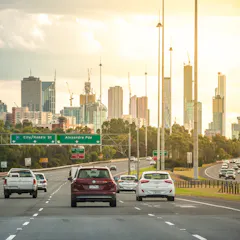
While called a transportation plan,
it was heavily skewed towards roads. We need the type of city-shaping thinking that underpinned the plan, but today’s plans must match 21st-century priorities.
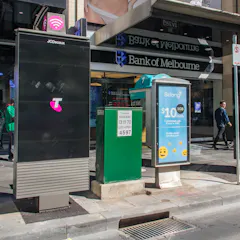
The new payphones have Wi-Fi, mobile charging and transport information. But city councils are concerned they’re digital billboards for Telstra, which could cost billions in lost productivity.
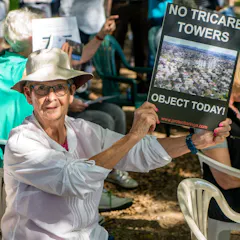
We need to change council planning rules that prevent community members from having a say on proposed development in their local area.
Top contributors
-

Professor of Human Geography and Planning, University of Tasmania
-
Senior Lecturer in Urban and Environmental Planning, Griffith University
-
Professor of International Planning, Centre for Urban Research, RMIT University
-
Associate Professor in Urban Planning, The University of Queensland
-
Professor of Planning, School of Built Environment, UNSW
-
Associate Professor of Urban Planning, The University of Melbourne
-
Head of Urbanism and Associate Professor of Urban Studies, School of Architecture, Design and Planning, University of Sydney
-
Associate Professor in Urban and Regional Planning, University of Sydney
-
Senior Lecturer in Urban Planning & Design, Monash University
-
Honorary Professor of Planning, The University of Queensland
-
Postdoctoral Research Fellow, The University of Queensland
-
Professor, City Futures Research Centre, Faculty of the Built Environment, UNSW
-
Professor Spatial Transformation, Hanze University of Applied Sciences, Groningen
-
Professor, Sustainability and Urban Planning, RMIT University
-
Deputy Director, Australian Urban Design Research Centre, The University of Western Australia