
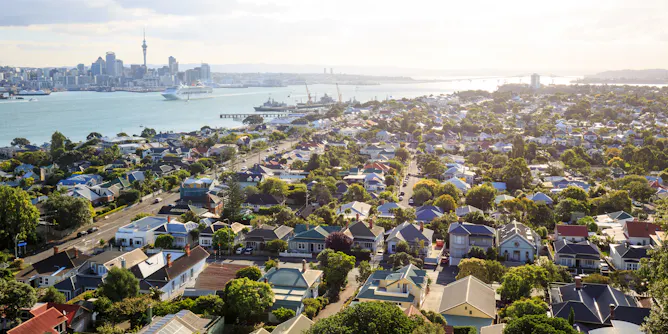
Urban planners have been blamed for a lot of things, including higher housing costs. But the solution is to refine the process, not sideline the good planning that makes cities safe and liveable.
Articles on City planning
Displaying 121 - 140 of 145 articles
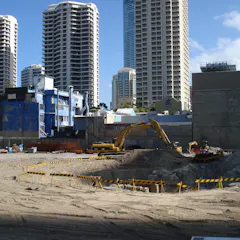
Conflicts over coastal areas have largely been between development and preserving what makes these attractive places to live. Rising sea levels are now complicating our relationship with the coast.
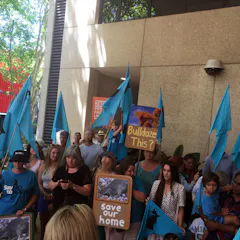
One reason Perth’s Roe 8 project is the subject of passionate protests is that it’s a case of a government asserting power over people rather than exercising power with local communities.

One year on, the Turnbull government is touting the economic benefits of an infrastructure agenda that neglects the other important functions of transport projects.
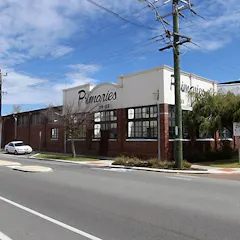
Exceptional projects can emerge when regulations are sensibly relaxed due to context. A Fremantle project is a model of progressive higher-density possibilities resulting from flexible planning rules.
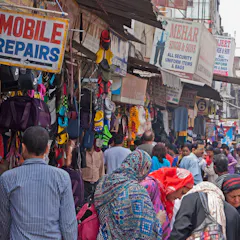
A project in the Western Himalaya has highlighted some valuable lessons for the future.
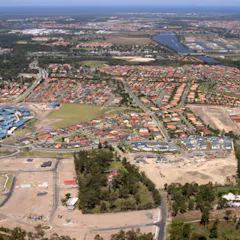
Recently published research has found that the concentration of poorer people in hotter places is a real problem for cities’ capacity to cope with climate change.
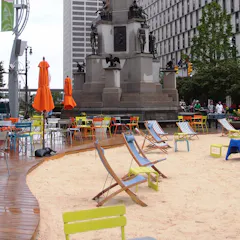
Big ideas and big dollars have been invested in making ‘memorable’ places. Paradoxically, as similar solutions are adapted in diverse settings worldwide, this can lead to an uneasy new placelessness.
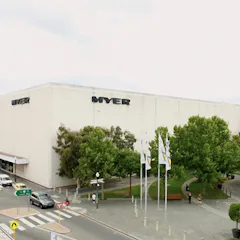
The rise in temporary use of urban space requires a looser planning vision that can draw on this new type of city-making to inform longer-term developments.
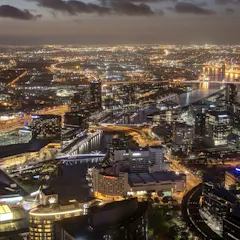
If the sharing economy is here to stay, planners and designers must respond with imagination to spread the positive effects of the tourism economy for the benefit of residents as well as tourists.
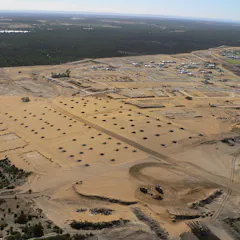
If Perth can preserve the rich biodiversity of its setting, it will become a model for sustainable city development that fully connects with the value of natural ecosystem services.
The system of apartheid is long gone. But its legacy of poor funding for historically black universities - and of planning that banished black universities to cities’ margins - remains.
With foresight, we can steer our cities closer to the future we want instead of the futures we fear.

Cities are home to many different people who will not always agree. We need to learn to embrace public debate as an ongoing, constructive process for working through diverse views and values.
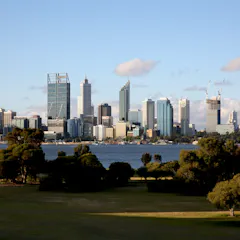
With a strategic plan adopted, it not only shows where development should be avoided but clears the way for development in other areas. So Perth needs to get it right.

Students at the University of Khartoum are protesting about a secretive plan to move the institution from its historic buildings.
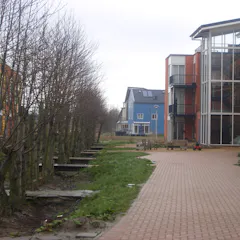
Green infrastructure can be delivered relatively easily using existing planning processes. The main obstacle could be psychological: planners are wary of disruption to embedded practices.
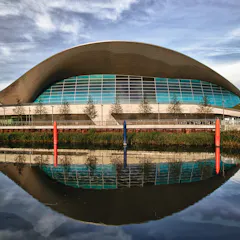
Celebrated architect Zaha Hadid, who died last week, had three projects on the go in Australia. Will there be a surge of interest in her work - as has happened to other architects who have died prematurely?
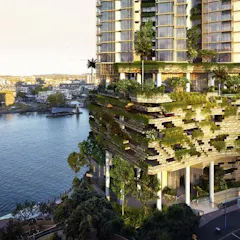
Landmarks identify and define cities. Town-planning instruments should protect these landmarks from new development that does not respect the setting.
It seems like a ‘no brainer’ to use urban greening to help cities adapt to increasing heat, but the uptake of green infrastructure, such as trees and vegetated roofs, surfaces and walls, is slow. Why?
Top contributors
-

Professor of Human Geography and Planning, University of Tasmania
-
Senior Lecturer in Urban and Environmental Planning, Griffith University
-
Professor of International Planning, Centre for Urban Research, RMIT University
-
Associate Professor in Urban Planning, The University of Queensland
-
Professor of Planning, School of Built Environment, UNSW
-
Associate Professor of Urban Planning, The University of Melbourne
-
Head of Urbanism and Associate Professor of Urban Studies, School of Architecture, Design and Planning, University of Sydney
-
Associate Professor in Urban and Regional Planning, University of Sydney
-
Senior Lecturer in Urban Planning & Design, Monash University
-
Honorary Professor of Planning, The University of Queensland
-
Postdoctoral Research Fellow, The University of Queensland
-
Professor, City Futures Research Centre, Faculty of the Built Environment, UNSW
-
Professor Spatial Transformation, Hanze University of Applied Sciences, Groningen
-
Professor, Sustainability and Urban Planning, RMIT University
-
Deputy Director, Australian Urban Design Research Centre, The University of Western Australia