
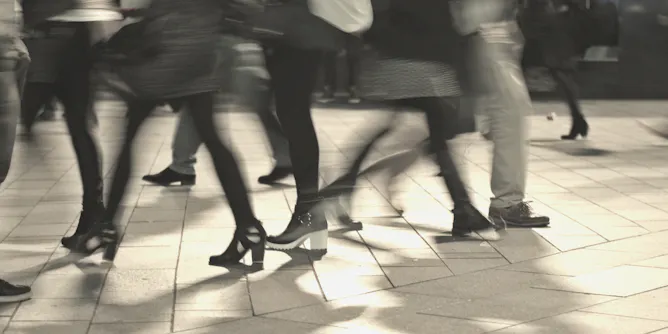
We just need shops, cafes and other services within easy reach to get us walking extra minutes in our busy days.
Articles on City planning
Displaying 61 - 80 of 145 articles
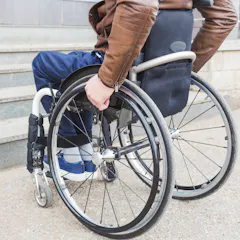
It doesn’t take much to start making it easier for people with a disability to get around a city.
Developing computer models can help us to study the structural causes of urban inequality.
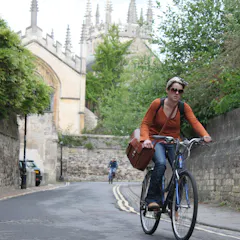
A substantial building programme is needed to rearrange our cities to benefit all types of journeys – not just commutes.
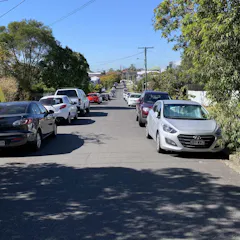
The global trend is to free up valuable city space by reducing parking and promoting other forms of transport that don’t clog roads and pollute the air. Australian cities are still putting cars first.
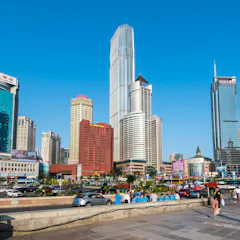
Australia has well established urban design guidelines, whereas many Chinese cities don’t have any – and it shows. But Australia can also learn from China.
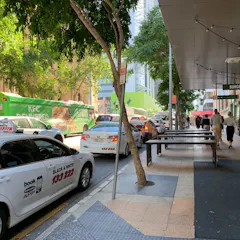
Cities must manage all the competing uses for limited roadside space to avoid congestion and maximise efficiency. And that begins with reliable data.
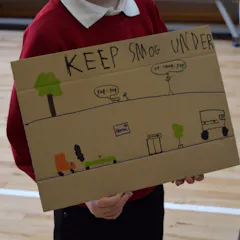
Children are the future, so why don’t we listen to them more often?

Good urban design and walkability boost local economic activity by increasing public activity, but cities need to pay more attention to the effects of microclimates on streets and public spaces.
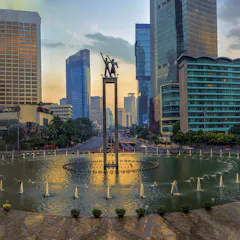
Indonesia has plans to move its capital outside of Java, but the government has yet to make the case for this move.
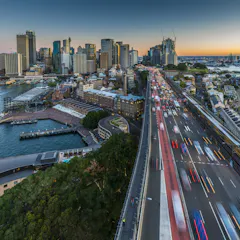
When a city gets to a certain size, it starts to make sense to have multiple centres of activity, and three are planned for Sydney. So what needs to be done to bring the city closer to this goal?
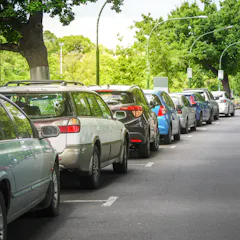
Australian cities have a glut of parking, even as politicians move to protect parking spaces or promise even more. There are better ways to keep congestion manageable and our cities liveable.
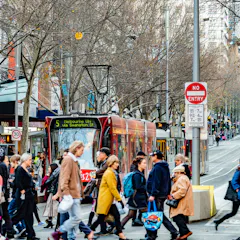
A newly released ten-year plan for Melbourne aims for fewer cars, safer streets and more shared spaces. A significant amount of parking and road space would be reallocated to walking and cycling.

Other countries are planning new cities using technological innovation to achieve more sustainable development. Such plans aren’t new for Australia, but existing city growth is the focus of attention.
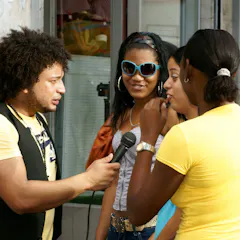
Podcasters are creating new conversations about who and what the city is for. But even in the podcasting world, powerful interests can make it hard for new and previously excluded voices to be heard.
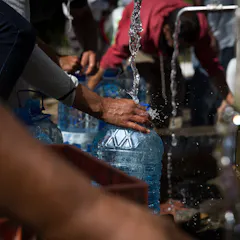
Cape Town’s draft strategy on water supply is out for comment, but important elements are missing from it.

Under 10 percent of new Citi Bike and Divvy bike docks are sited where residents suggested using interactive online maps, a new study shows. But that doesn’t mean city officials weren’t listening.
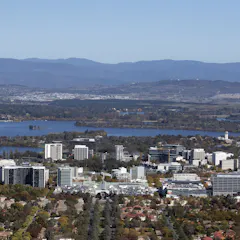
Canberra is growing as fast as anywhere in Australia. It’s driven by a knowledge economy that is transforming the city centre but is also displacing poorer residents.
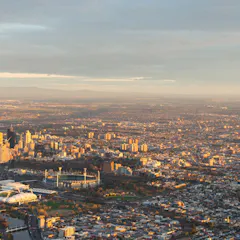
Planning innovations around the world offer inspiration, but ultimately the innovations needed to make Australia’s sprawling cities more sustainable must be shaped by local conditions.
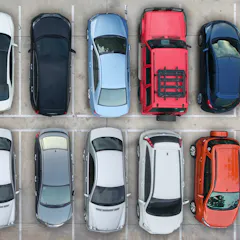
An increase in the use of self-driving cars will change parking infrastructure in cities, and hopefully result in more colourful character neighbourhoods.
Top contributors
-

Professor of Human Geography and Planning, University of Tasmania
-
Senior Lecturer in Urban and Environmental Planning, Griffith University
-
Professor of International Planning, Centre for Urban Research, RMIT University
-
Associate Professor in Urban Planning, The University of Queensland
-
Professor of Planning, School of Built Environment, UNSW
-
Associate Professor of Urban Planning, The University of Melbourne
-
Head of Urbanism and Associate Professor of Urban Studies, School of Architecture, Design and Planning, University of Sydney
-
Associate Professor in Urban and Regional Planning, University of Sydney
-
Senior Lecturer in Urban Planning & Design, Monash University
-
Honorary Professor of Planning, The University of Queensland
-
Postdoctoral Research Fellow, The University of Queensland
-
Professor, City Futures Research Centre, Faculty of the Built Environment, UNSW
-
Professor Spatial Transformation, Hanze University of Applied Sciences, Groningen
-
Professor, Sustainability and Urban Planning, RMIT University
-
Deputy Director, Australian Urban Design Research Centre, The University of Western Australia