
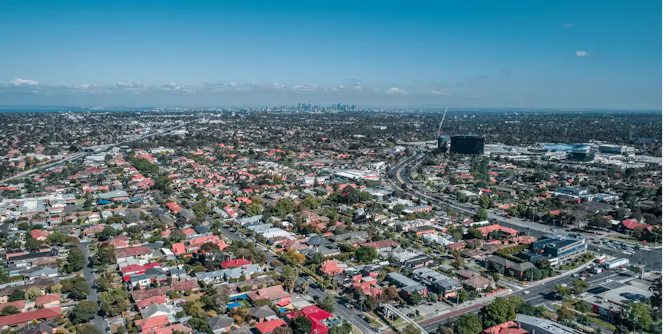
Our largest cities, home to 80% of the population, are central to achieving sustainability in a time of climate change. The federal government has begun to act on the need for coherent urban policies.
Articles on City planning
Displaying 21 - 40 of 145 articles

Vital records document the birth, death, marriage and divorce of every individual. A more centralized system in the US could help public health researchers better study pandemics and disease.
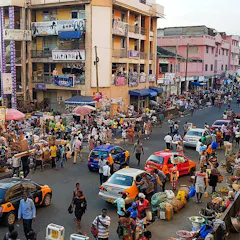
Accra could keep its political role while some of its other functions are distributed around the country.
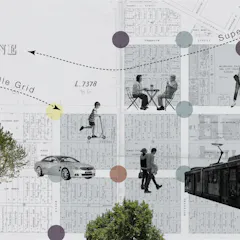
The Hoddle Grid that dictates the flow of vehicles and people in central Melbourne has had its day. It can be remade to reduce the dominance of cars and create a liveable city for the 21st century.

Shade, street furniture, streetscapes – they all matter when it comes to making a footpath appealing.
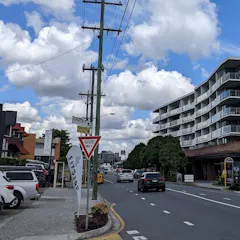
The zoning policies that planners introduced to create vibrant and resilient mixed-use neighbourhoods have had the opposite effect, as services and residential developments crowd out light industry.
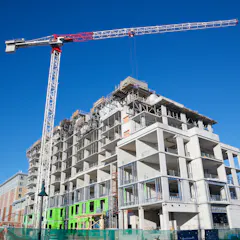
Ontario’s first Growth Plan won awards that recognized the province as a leader in the field. But since then, successive changes to the policy have sabotaged the original plan’s progress.
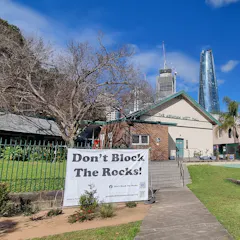
A bid to amend plans for the final stage of the Barangaroo project would once again favour developers’ interests over the public interest. It shows how badly the planning process has been undermined.
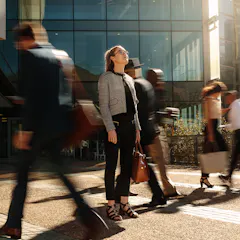
My research shows how urban design can make it harder for women in some countries to make sustainable choices.
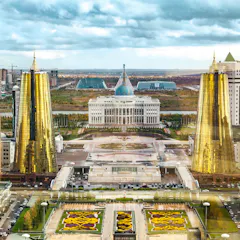
Most new capitals are dreary, overpowering, underserviced and unaffordable. Here’s how Nusantara, Indonesia’s new planned capital, can avoid the same pitfalls.
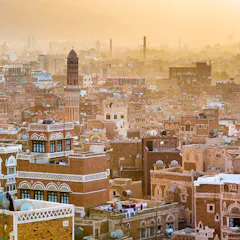
Naturalistic thinking has long helped humanity grapple with complex urban predicaments. What role can it play today?
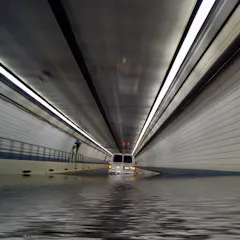
Global floods in 2021 showed the danger of poor emergency preparedness - and the importance of planning ahead.
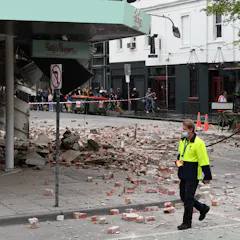
In 1989, Newcastle was hit by Australia’s deadliest earthquake, but high-rise development in the city’s CBD has continued nonetheless. Australia needs a consistent planning code for earthquake risk.

Images of water gushing into subway stations filled social media following heavy rain in New York City. Solutions are at hand – but it takes money and political will, an expert explains.
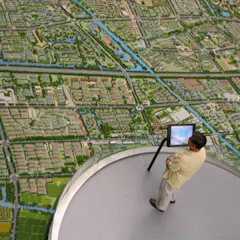
The pandemic has accelerated some urban trends and reversed others, while focusing attention on the vulnerabilities of cities. The old planning certainties will have to be revisited.
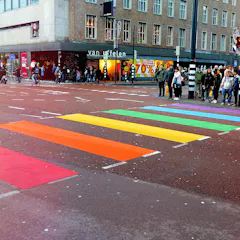
The gaybourhood gave LGBTQ+ communities the space they urgently needed to simply be themselves. But our cities should be built in such a way that everyone feels at home
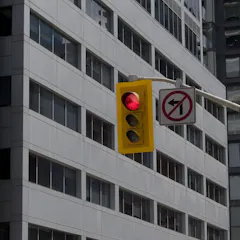
Left turns are dangerous and slow down traffic. One solution? Get rid of them. New research shows that limiting left turns at busy intersections would improve safety and reduce frustrating backups.
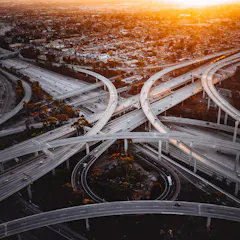
The utopian 20th-century model of a modern city – one that has been replicated around the world – is being exposed as unsuitable for adapting to the pace of change in the 21st century.
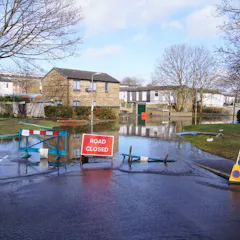
Some flood dangers can be hard to spot initially – to planners, developers and home-buyers. Sometimes, the danger comes from underground.
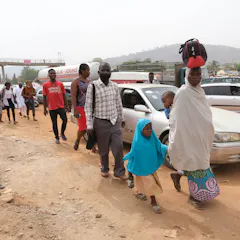
African city planners need to promote inclusive cities where residents are not captive walkers but walk because it is accessible, safe and pleasurable to do so.
Top contributors
-

Professor of Human Geography and Planning, University of Tasmania
-
Senior Lecturer in Urban and Environmental Planning, Griffith University
-
Professor of International Planning, Centre for Urban Research, RMIT University
-
Associate Professor in Urban Planning, The University of Queensland
-
Professor of Planning, School of Built Environment, UNSW
-
Associate Professor of Urban Planning, The University of Melbourne
-
Head of Urbanism and Associate Professor of Urban Studies, School of Architecture, Design and Planning, University of Sydney
-
Associate Professor in Urban and Regional Planning, University of Sydney
-
Senior Lecturer in Urban Planning & Design, Monash University
-
Honorary Professor of Planning, The University of Queensland
-
Postdoctoral Research Fellow, The University of Queensland
-
Professor, City Futures Research Centre, Faculty of the Built Environment, UNSW
-
Professor Spatial Transformation, Hanze University of Applied Sciences, Groningen
-
Professor, Sustainability and Urban Planning, RMIT University
-
Deputy Director, Australian Urban Design Research Centre, The University of Western Australia