
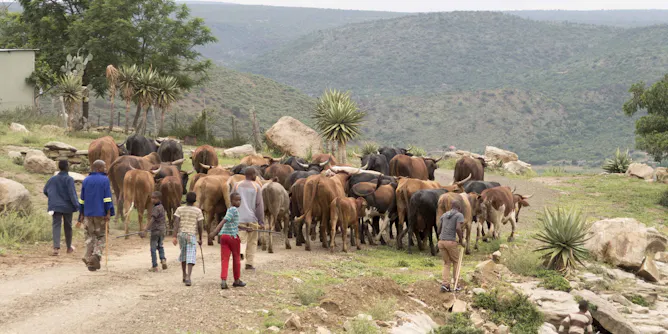
Planting millions of trees in natural grassland is largely ineffective in the battle against global warming because it adds little or no additional carbon storage.
Articles on Carbon storage
Displaying 21 - 40 of 75 articles
Their incredible resilience means they are becoming part of the UK landscape.
Sometimes when taking these actions, however, carbon storage is prioritised at the expense of biodiversity. But that need not be the case.

How many years you reuse a fake holiday tree matters. So does what happens to a live tree when you’ve packed up the ornaments.
A group of agricultural and soil scientists has serious concerns about the way credits are awarded for soil carbon sequestration in Australia.

Tracking both the amount of carbon and the time that it remains stored is key to unlocking the potential of nature-based carbon storage as a climate mitigation strategy.
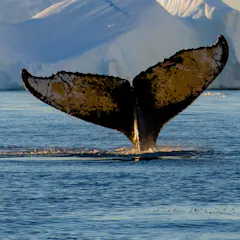
We want good news on climate change. But whales storing enough carbon needs more evidence.
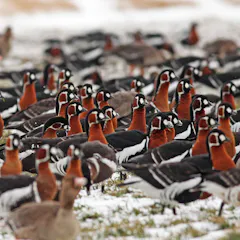
Russia has vast natural resources and is involved in many conservation efforts. Its diplomatic isolation as a result of the war in Ukraine is making it harder to protect many wild species and places.
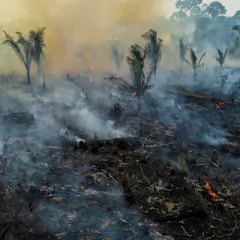
Brazilian President-elect Luiz Inácio Lula da Silva says he will end land clearance in Brazil’s Amazon region. But powerful forces profit from rainforest destruction.
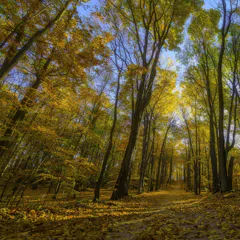
The Midwest had a lot of trees, but just a few species were responsible for the bulk of the carbon storage.
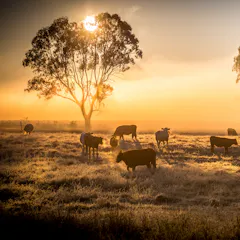
Our new analysis suggests the vast majority of carbon credits granted for regrowing native forests either has not occurred, or would have occurred anyway.
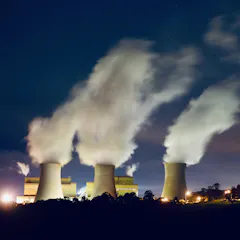
Labor has promised a 43% cut in Australia’s emissions by 2030 and a high-integrity carbon credit market is vital to reaching this goal.
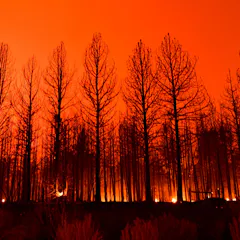
More carbon dioxide in the air doesn’t necessarily mean more growth for trees, and the increasing risk of wildfires and drought has major consequences, as an interactive map shows.

Directing public funds to native forest logging is bad for the economy, the climate and biodiversity, and will increase bushfire risk.
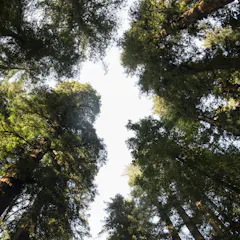
New research shows that coast redwood trees have a surprising adaptation that helps them thrive in both wet and dry environments.

Canada’s greenhouse gas emissions decreased by only one per cent between 2005 and 2019. A new climate plan charts the path to deep cuts in carbon emissions in only eight years.
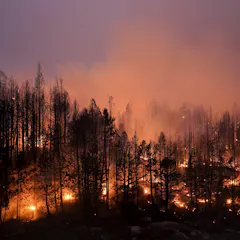
Planting trees and preventing deforestation can store carbon in nature, but the effect may only be temporary. If we also eliminate emissions from fossil fuels, even this temporary effect is important.
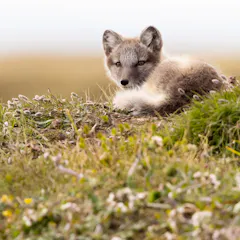
The growing season on the tundra is starting earlier as the planet warms, but the plants aren’t sequestering more carbon, a new study finds.
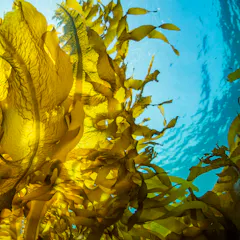
Seaweed was thought to be a vital tool in the fight to slow climate change. But it turns out seaweed ecosystems may be a natural source of carbon dioxide – and not a sink.
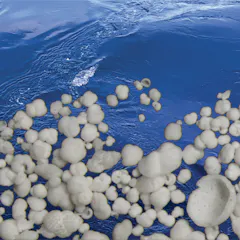
Tiny seashells draw carbon to the ocean floor when they die. This is the most significant geological process of carbon storage today, and it might increase in a warmer world, as it did in the past.
Top contributors
-

Distinguished Professor of Ecology, Fenner School of Environment and Society, Australian National University
-
Senior Research Fellow in Ecology, Griffith University
-
Affiliate Professor, Geography, Planning and Environment, Concordia University
-
Distinguished Professor of Climate Science, Simon Fraser University
-
Professor of Remote Sensing, Department of Geography; and NERC National Centre for Earth Observation, UCL
-
Chief Research Scientist, CSIRO Environment; Executive Director, Global Carbon Project, CSIRO
-
Professor and Climate Scientist, Department of Geography, Planning and Environment, Concordia University
-
Senior Lecturer, Public Sector Management, School of Business, UNSW
-
Professor and Director of Research, ANU Law School, Australian National University
-
Professor, Australian National University
-
Director, Griffith Climate Action Beacon, Griffith University
-
Research scientist, Australian National University
-
Associate Professor of Biology, Villanova University
-
University of Sydney
-
Research Fellow, University of Tasmania