
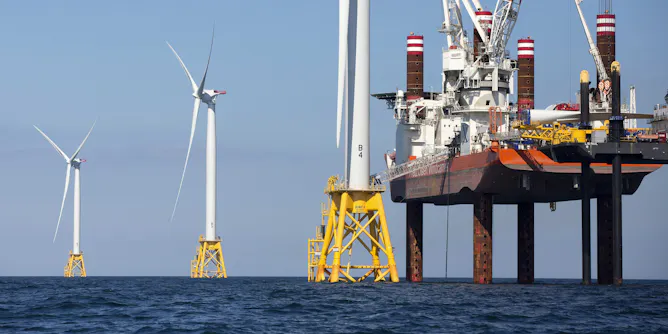
Wind turbines often can produce more power than is needed for electricity onshore. That extra energy could be put to work capturing and storing carbon.
Articles on Carbon storage
Displaying 41 - 60 of 75 articles
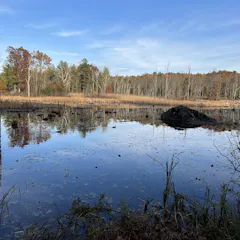
Beavers in our landscapes have great potential to provide small-scale adaptations to climate change – if humans can figure out how to live with them.
CC BY-NC-ND8.15 MB (download)
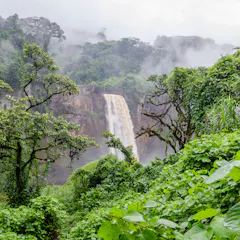
Saving African forests is a global concern and needs prioritisation.
Nature-based solutions can help us sustainably tackle climate disasters - but to do that, they urgently need policy support.

By spending $2 billion each year for about 30 years, we could restore much of Australia’s severely denuded landscapes.
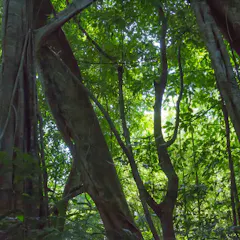
About 60% of Mexico’s forests are managed by local communities. A scholar who has studied the forests for 30 years explains how this system protects the forests and the people who oversee them.

The Tongass National Forest in Alaska, a focus of political battles over old-growth logging and road-building in forests for decades, has received new protection from the Biden administration.
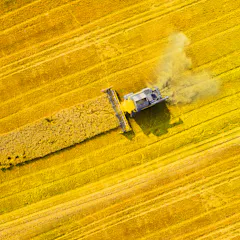
How do we ensure solutions to climate change doesn’t make biodiversity loss worse? Fifty of the world’s leading researchers on biodiversity and climate have sought to answer this question.

Planting trees can sometimes be a carbon-offset box-ticking exercise, but reforestation is a long-term commitment that supports communities, promotes biodiversity and tackles the climate emergency.

Large-scale tree-planting projects are politically popular and media-friendly, but without effective planning and long-term management, they can do more harm than good.
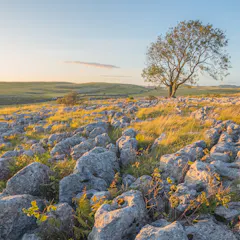
Scientists need to know how much we can rely on the land to offset our emissions.
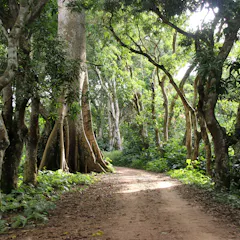
A stable ecosystem of organic matter is the key to improving agricultural yields in the surrounding farmland and fighting climate change.
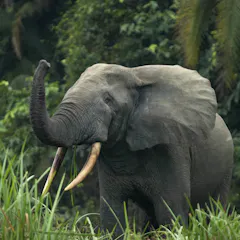
A new review of the status of African elephants finds scientific grounds for dividing them into two species, and reports that both have suffered drastic population declines since 1990.
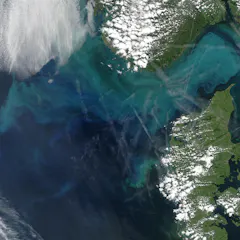
Microscopic ocean phytoplankton feed a “biological pump” that carries carbon from the surface to deep waters. Scientists have found that this process stores much more carbon than previously thought.

A new study revealed that indigenous territories store more than half the carbon in the Amazon forest.
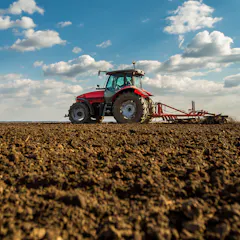
Carbon in soil can help with tackling climate change. Maintaining soil quality by supporting farmers through economic incentives and technical approaches is important.
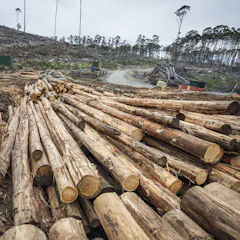
Victoria has some of the most carbon rich native forests in the world. And we’re cutting them down for short-lived wood products.
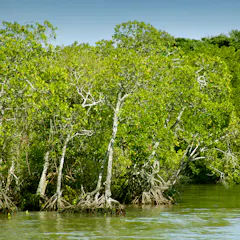
One surprising potential benefit of sea-level rise is it helps coastal wetlands store more carbon.
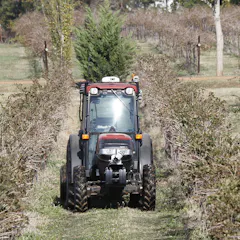
Digital innovations have the potential to empower farmers and revolutionise agriculture, but many could also lock them in to unsustainable methods.
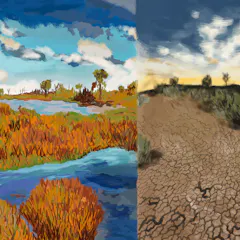
Wetlands in Australia are often dry. They may look unassuming but it’s a vital part of their vibrant lifecycle.
Top contributors
-

Distinguished Professor of Ecology, Fenner School of Environment and Society, Australian National University
-
Senior Research Fellow in Ecology, Griffith University
-
Affiliate Professor, Geography, Planning and Environment, Concordia University
-
Distinguished Professor of Climate Science, Simon Fraser University
-
Professor of Remote Sensing, Department of Geography; and NERC National Centre for Earth Observation, UCL
-
Chief Research Scientist, CSIRO Environment; Executive Director, Global Carbon Project, CSIRO
-
Professor and Climate Scientist, Department of Geography, Planning and Environment, Concordia University
-
Senior Lecturer, Public Sector Management, School of Business, UNSW
-
Professor and Director of Research, ANU Law School, Australian National University
-
Professor, Australian National University
-
Director, Griffith Climate Action Beacon, Griffith University
-
Research scientist, Australian National University
-
Associate Professor of Biology, Villanova University
-
University of Sydney
-
Research Fellow, University of Tasmania