
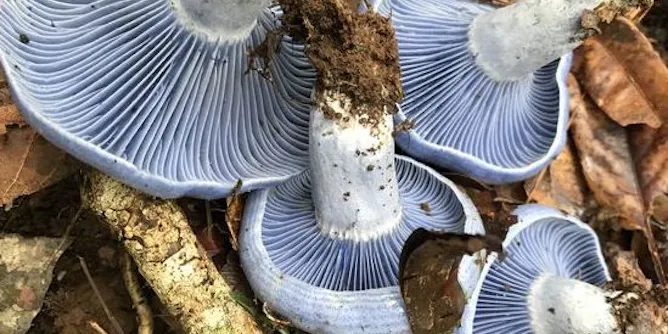
Inoculating trees with an edible fungi can produce more protein per hectare than pasture-raised beef, while reforesting, storing carbon and restoring biodiversity.
Articles on Carbon sinks
Displaying 21 - 40 of 87 articles

As more companies feature wood and other bio-based products in their offices, what are opportunities and limitations of making corporate net-zero carbon pledges about building materials?

Climate change threatens the crucial storage of carbon in Aussie forests. Victoria’s national parks alone store almost 1 billion tonnes of carbon dioxide equivalent.

Halting forest loss is a crucial milestone on the road to net zero.

A new analysis shows almost all emissions reductions will be the result of state government policies, and will have virtually nothing to do with the federal government.
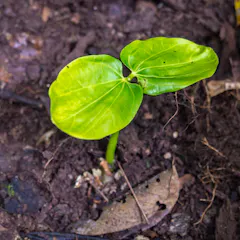
Secondary forests are growing on deforested land in the Amazon – but not enough to offset emissions from logging.

New research shows how the Montreal Protocol protected vegetation, helping keep carbon out of the atmosphere.

Rather than considering the job done, Tasmania should seize opportunities including renewable energy, net-zero industrial exports and forest preservation.
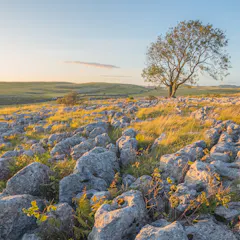
Scientists need to know how much we can rely on the land to offset our emissions.
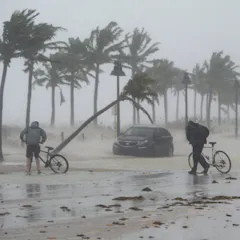
Economic recovery and carbon neutrality are linked. Both depend on the ocean’s ability to continue to regulate climate.
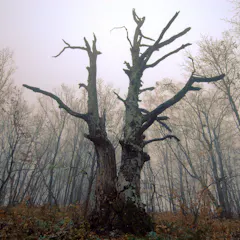
We analysed 210,000 tree ring records from 80 different species, and found the trade off between growth and lifespan may neutralise the forest carbon sink.
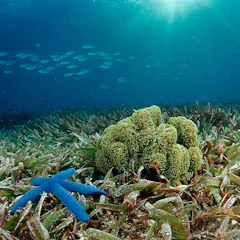
Between 1986 and 2016, Kenya lost about 21 of its seagrasses.
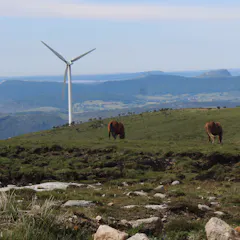
We discovered wind farms in Spain that had carved up peat bogs, causing them to release carbon to the atmosphere.

Earth’s has gone through major climate changes in the past. They happened on time scales of millions of years and triggered mass extinctions. Our emissions are changing the climate much faster.
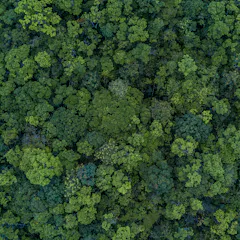
Plants take carbon from the atmosphere as they grow, but it goes straight back when they die or are harvested. There is an important difference between carbon fluxes and actual carbon sequestration.
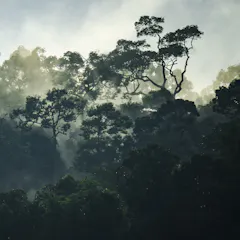
Scientists behind a major new study explain how they discovered these forests are becoming less able to sequester carbon.

Without care, reforestation projects can damage ecosystems and be useless as carbon stores. Here’s how to go about it the right way.
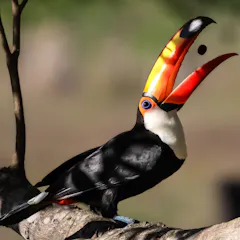
In the absence of animals to help larger trees reproduce, forests are suffering.
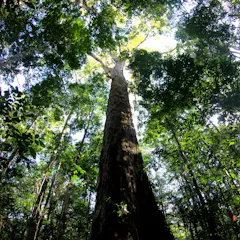
The monster trees are almost 90m tall, and may make the Amazon’s northeast a much greater carbon sink than previously thought.
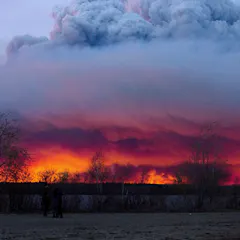
The boreal forest is being reshaped by wildfire. As climate change intensifies wildfire activity, the boreal forest will likely become a carbon source.
Top contributors
-

Chief Research Scientist, CSIRO Environment; Executive Director, Global Carbon Project, CSIRO
-
Royal Society Research Professor of Climate Change Science, University of East Anglia
-
Professor of Global Change Science at University of Leeds, UCL
-
Géochronologue et paléoclimatologue, chargé de recherches CNRS - Centre de recherches pétrographiques et géochimiques (Nancy) et Laboratoire de glaciologie (Bruxelles), Université de Lorraine
-
Senior Researcher, Center for International Climate and Environment Research - Oslo
-
Research Associate, Institute of Coastal and Marine Research, Nelson Mandela University
-
Research scientist, NASA
-
Snr research fellow in environmental sciences, James Cook University
-
University of Technology Sydney
-
Senior Researcher, Center for International Climate and Environment Research - Oslo
-
Géochimiste, chargé de recherche CNRS au Centre de recherches pétrographiques et géochimiques de Nancy, Université de Lorraine
-
Professor, Department of Earth System Science, and Chair of the Global Carbon Project, Stanford University
-
Postdoctoral Researcher, Tropical Peatlands, University of Leeds
-
Professor of Biology, University of Southern Denmark
-
Postdoctoral research associate, Charles Darwin University