
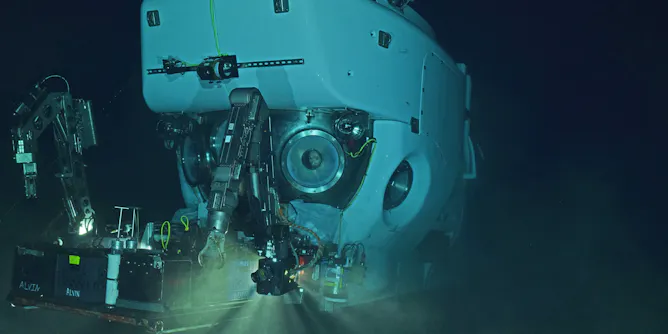
When you study volcanoes at mid-ocean ridges, doing fieldwork means becoming an aquanaut – diving thousands of feet to the ocean floor in the submersible Alvin, trading tight quarters for amazing views.
Articles on Carbon sinks
Displaying 61 - 80 of 87 articles
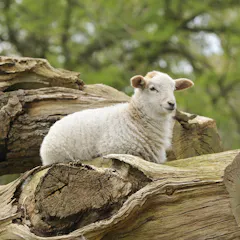
Integrating trees into farming systems can improve farming, help the environment, and boost animal welfare too.
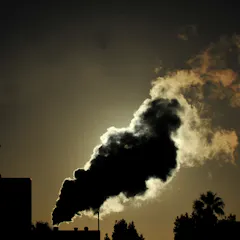
For the second year in a row global greenhouse emissions from fossil fuels have risen, putting 2018 on course to set a new record, according to an annual audit from the Global Carbon Project.

One big problem with plastics is that they’re largely made of petroleum. Sourcing bio-polymers from plants and bacteria has some big benefits – and the technology is starting to take off.

Extreme climatic events are harming plant communities in the Arctic. The resulting colour change is bad news for the region’s carbon storage.
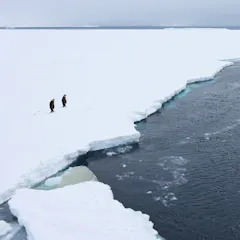
The Antarctic Circumpolar Current provides a barrier to heat that keeps warm subtropical waters away from Antarctica. Yet, there are a few places where the heat gets through.
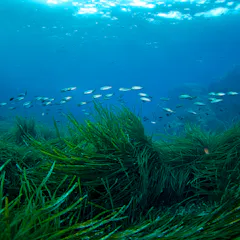
Vast ‘underwater meadows’ would lock up lots of carbon.
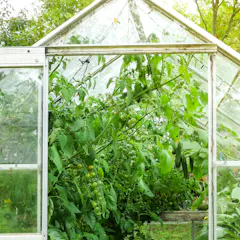
‘Hothouse Earth’ is not a sure thing – yet. Here’s what you can do about it.
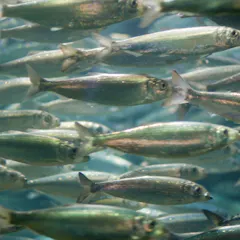
Fish are a key food source for millions of people worldwide. But a recent study finds long-term warming over the next 200 years could starve tiny plankton, with impacts that would ripple up food chains.
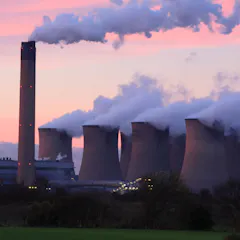
The pioneering legislation is ten years old – and the latest science means it now does not go far enough.
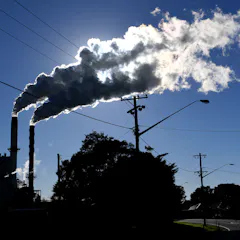
After three years in which global carbon emissions scarcely rose, 2017 has seen them climb by 2%, as the long-anticipated peak in global emissions remains elusive.
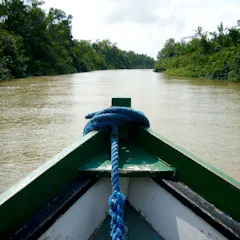
Last week Brazil opened thousands of kilometres of previously protected Amazon rainforest to mining, in a bid to combat ongoing political and economic disasters.
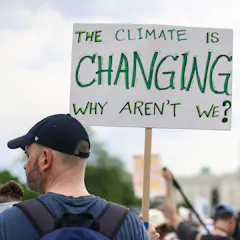
Why is it so hard to reach consensus about how to slow climate change? Multiple time lags get in the way: some make it hard to convey the risk, while others prolong the search for solutions.

In an extract from his new book, Tim Flannery explains how giant kelp farms could suck carbon dioxide from the air and store it in the ocean’s depths, while encouraging species like fish and oysters.
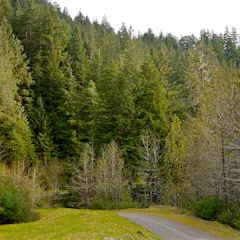
Can forests effectively remove carbon from the atmosphere?

Mangroves are superheroes on both land and sea, storing carbon and providing protection for coasts.

A swampy area the size of England stores as much carbon as 20 years of US fossil fuel emissions.

Extreme wet years are getting wetter and more common. This means Australia’s terrestrial ecosystems will play a larger role in the global carbon cycle.
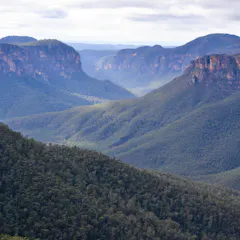
Australia is pumping 6.5 times more carbon into the atmosphere than the land can absorb.
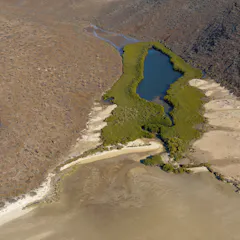
Study shows mangrove forests along desert coasts have potential to lock up large amounts of carbon and buffer against rising seas.
Top contributors
-

Chief Research Scientist, CSIRO Environment; Executive Director, Global Carbon Project, CSIRO
-
Royal Society Research Professor of Climate Change Science, University of East Anglia
-
Professor of Global Change Science at University of Leeds, UCL
-
Géochronologue et paléoclimatologue, chargé de recherches CNRS - Centre de recherches pétrographiques et géochimiques (Nancy) et Laboratoire de glaciologie (Bruxelles), Université de Lorraine
-
Senior Researcher, Center for International Climate and Environment Research - Oslo
-
Research Associate, Institute of Coastal and Marine Research, Nelson Mandela University
-
Research scientist, NASA
-
Snr research fellow in environmental sciences, James Cook University
-
University of Technology Sydney
-
Senior Researcher, Center for International Climate and Environment Research - Oslo
-
Géochimiste, chargé de recherche CNRS au Centre de recherches pétrographiques et géochimiques de Nancy, Université de Lorraine
-
Professor, Department of Earth System Science, and Chair of the Global Carbon Project, Stanford University
-
Postdoctoral Researcher, Tropical Peatlands, University of Leeds
-
Professor of Biology, University of Southern Denmark
-
Postdoctoral research associate, Charles Darwin University