
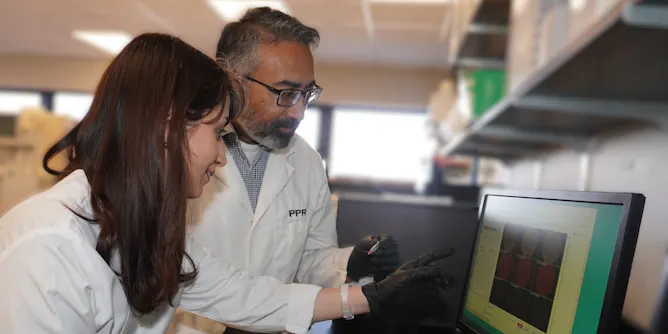
Researchers have developed the EXOSense technology to capture tiny particles, called extracellular vesicles, from biofluids using a gentle electrical force.
Articles on Biomedical engineering
Displaying 1 - 20 of 33 articles
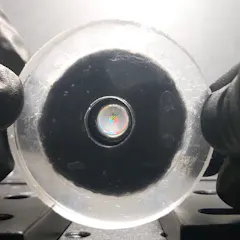
This lens modeled on biological eyes could make it easier to give soft machines and bio-safe tools the ability to see.
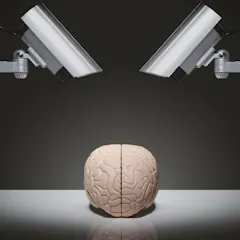
Neurotechnology raises many high-stakes ethical questions. Setting ground rules could help protect workers and ensure that tasks are adapted to the person, rather than the other way around.
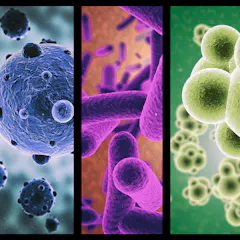
Using digital blueprints of the metabolism of microbes, scientists can simulate expensive and time-intensive experiments set in space, power plants and farm fields.
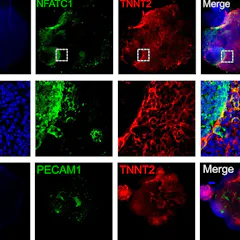
Human heart organoids allow researchers to study the developing heart while avoiding the ethical issues of using human embryos and the imperfections of animal models.
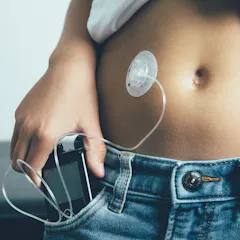
From breast implants to prosthetic knees, implants can trigger a foreign body response that results in your body rejecting them. Suppressing an immune cell gene could reduce this risk.
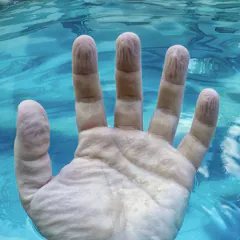
Recent research suggests blood vessels are the key to why fingers and toes turn pruny and pale after being submerged for a while.

Revisions to the CDC’s developmental milestone checklists removed crawling as a skill that babies pick up at a typical age. A biomedical engineer describes how more research may clarify its role.
Key to diagnosing foetal alcohol syndrome is an assessment of certain facial features. A 3D facial scan is expensive but 2D images may offer a solution.
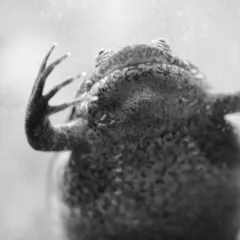
Unlike humans, many animals are able to regenerate their limbs after losing them. Giving the body the right conditions for regrowth might allow people to recover lost limbs as well.
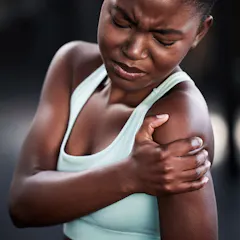
A biomedical engineer explains how human-made materials inserted in the body hold hope to repair painful injuries more efficiently than bone grafts.
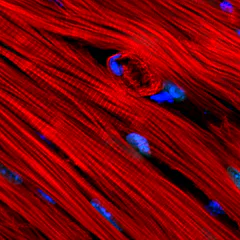
Heart disease can change the genetic structure of heart cells. Understanding the role that mechanical forces play in these changes could lead to improvements in artificial tissue design.
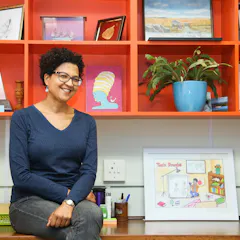
She believed and advocated that Africa needs to find solutions to its own problems and worked tirelessly to build biomedical engineering capacity across the continent.
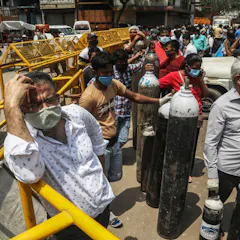
An effective oxygen system requires prompt recognition of who needs oxygen, a reliable oxygen supply and safe delivery to those who need it.
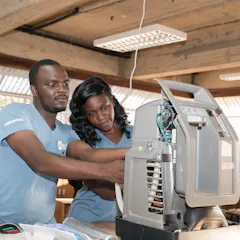
Engineering students in Malawi and Tanzania have used the materials and tools available to them to build ventilators, personal protective equipment and UV disinfection systems.

An optical sensor that can detect individual molecules promises early detection of diseases and environmental contamination.
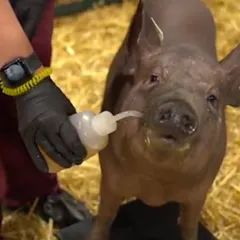
The most interesting thing is how free Gertrude is to move around while the implanted chip collects the data.
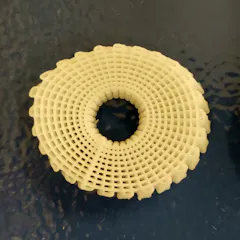
A cutting edge new research project is developing Lego-like bricks made from biomaterials to replace bone fragments in shattered limbs.
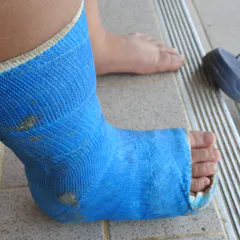
Researchers are starting to understand why the bones of diabetic people are more prone to fractures.
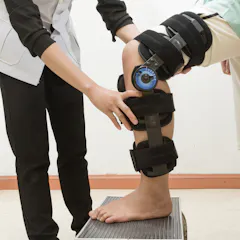
Are more technologically advanced prosthetics and orthotics actually better for improving health? Or do we just think they are better? And most importantly, how do we figure it out?
Top contributors
-

Associate Dean for Research and Professor of Biomechanics, Kennesaw State University
-
Professor of Biomedical Engineering, University of Manitoba
-
Professor of Ethics, Keele University
-
Professor of Biomedical Engineering and Rehabilitation Medicine, Emory University
-
Professor of Bioethics, University of Sydney
-
Assistant Professor of Architecture, The University of Western Australia
-
Senior Research Officer, Neuroscience Research Australia
-
Associate Professor of Biomedical Engineering, George Washington University
-
Assistant Professor of Medicine, Emory University
-
Professor, Chalmers University of Technology
-
Professor of Biomedical Engineering and Medicine, University of Virginia
-
Professor & Research Chair - Biomedical Engineering & Innovation, University of Cape Town
-
Professor of Biology, Tufts University
-
Assistant Professor of Biomedical Engineering and Optical Sciences, University of Arizona
-
Assistant Professor in Biomedical Ethics, National University of Singapore