

Spreading landmines across eastern Europe means innocent people will die and be mained for generations to come.
Articles on Prosthetics
Displaying 1 - 20 of 39 articles
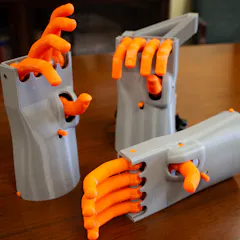
When historians and engineers work together, they can bring a version of the past back to life.

Precise and flexible 3D manufacturing techniques make it possible to individually tailor everything from prosthetics to drugs.

This unsung research area involves 3D-printing smart materials that can change shape when they come into contact with stimuli like heat or light.
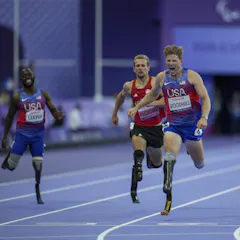
The role of prosthetic devices in the lives of people with limb loss cannot be overestimated. But acquiring prosthetic limbs can be challenging and expensive for patients.

Gunpowder warfare kicked off a new era of invasive surgery and prosthetic technology in Western medicine.
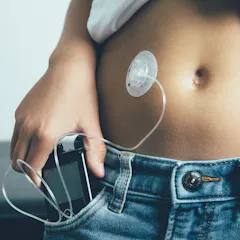
From breast implants to prosthetic knees, implants can trigger a foreign body response that results in your body rejecting them. Suppressing an immune cell gene could reduce this risk.

Our body can adopt a sixth robotic finger, which we can move independently of the other fingers and with tactile sensations.
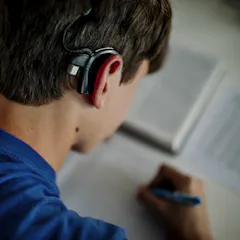
Researchers are exploring different ways to improve how cochlear implant users perceive speech and music in noisy environments.
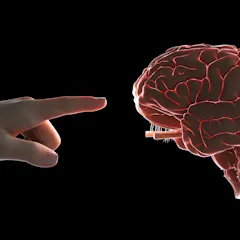
When designing neuroprosthetic devices for users to control with their thoughts, engineers must take into account the sensory information brains collect from the environment and how it gets processed.
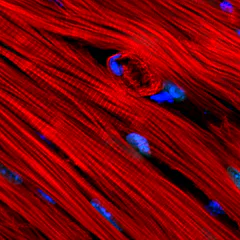
Heart disease can change the genetic structure of heart cells. Understanding the role that mechanical forces play in these changes could lead to improvements in artificial tissue design.
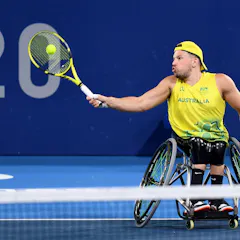
Most sporting equipment is designed with typical able-bodied athletes in mind, whereas custom equipment to meet a particular Paralympian’s needs can be expensive. 3D printing offers a third way.

Fibres that imitate the double helix of DNA can make artificial muscles more powerful than those found in nature.

Directors and audiences are becoming more comfortable with male frontal nudity. But what message does it send when almost all of the penises shown aren’t real?

Lessons from history make clear that the federal government can spur medical innovation in a crisis, including this pandemic. Providing certainty and clarity is critical.
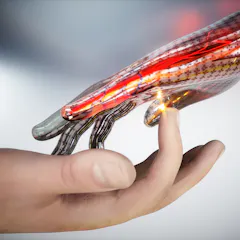
A new silicone ‘skin’ contains electronics that mimic the human body’s lightning-fast response to pain, potentially paving the way for smart prosthetics that can detect painful sensations.

Appearance, functionality and culture should all be considered.
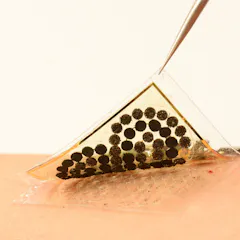
Lightweight, flexible materials can be used to make health-monitoring wearable devices, but powering the devices is a challenge. Using fuel cells instead of batteries could make the difference.
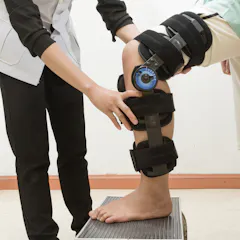
Are more technologically advanced prosthetics and orthotics actually better for improving health? Or do we just think they are better? And most importantly, how do we figure it out?

Who should be legally responsible when 3D printed devices fail? Proposed changes to the Therapeutic Goods Administration’s regulatory framework have the potential to settle that question.
Top contributors
-

Principal Investigator, University of Chicago
-
Associate Professor of History, Auburn University
-
VC Postdoctoral Fellow, RMIT University
-
Senior Data Scientist, University of Technology Sydney
-
Lecturer, Adelaide University
-
Professor de Filosofia da Universidade do Estado do Rio de Janeiro (UERJ) e Professor de Filosofia do Direito, Universidade Federal do Rio de Janeiro (UFRJ)
-
Adjunct Fellow, T.C. Beirne School of Law, The University of Queensland
-
Lecturer in Applied Organic Chemistry, University of Surrey
-
Associate Professor, Cumming School of Medicine, University of Calgary
-
Professor of Surgery and Director of the Virtual Health Hub and the Remote Presence Robotic Program at the University of Saskatchewan, University of Saskatchewan
-
Executive Director of the ARC Centre of Excellence for Electromaterials Science and Director of the Intelligent Polymer Research Institute, University of Wollongong
-
Senior Lecturer in Prosthetics and Orthotics, University of the Sunshine Coast
-
Graduate student, University of Chicago
-
Assistant Lecturer, University of Lancashire
-
Associate Professor in Humanities, University of East Anglia