
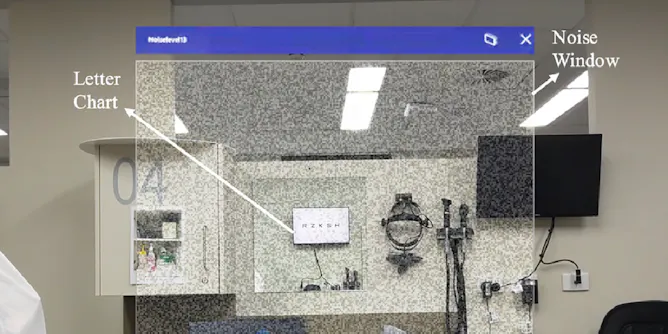
Age-related macular degeneration is a common cause of blindness, but adding some static noise to a patient’s vision can counteract some of the disease’s effects.
Articles on Biomedical research
Displaying 1 - 20 of 59 articles

The internet is awash with claims about injectable peptides for fitness, but there’s almost no human research showing they work or are truly safe.

The agency’s budget has grown steadily since the 1960s, fueling an industry that creates lifesaving medicines and attracts billions of dollars in investment.

Answering personal questions at the doctor’s office can help researchers recognize health problems and find effective interventions.
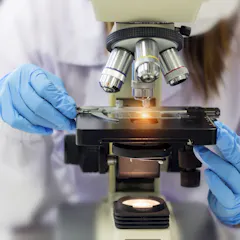
Taxpayer-funded investment supports basic research that can yield crucial medical advancements down the line and make lifesaving drugs and technologies affordable for everyday people.
There are several steps between research on seemingly esoteric subjects and breakthrough medical treatments. Ethical oversight at every stage ensures science and society ultimately benefit.
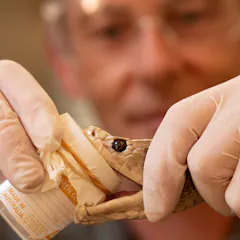
A man spent 18 years injecting himself with venom, almost dying more than once – and now his blood is behind a new snakebite treatment.

The landmark study, which enrolled more than 160,000 participants and has informed public health guidelines for women over 50, is still making tremendous contributions to women’s health.

The National Institutes of Health has been integral to scientific progress in treating countless human diseases. Without its support, patients will ultimately pay the price.
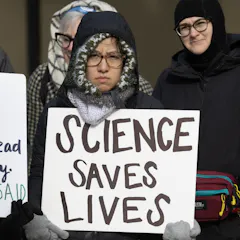
The majority of the 23 states disproportionately affected by the cuts are red states.

It costs money to maintain the various facilities, utilities and personnel that allow scientists to conduct research in the first place. Without federal support, institutions are left scrambling.

Researchers are key to Canada’s capacity to create a high-tech economy, build the biomedical sector and seed entrepreneurial activity, but they can’t do it without research funding.
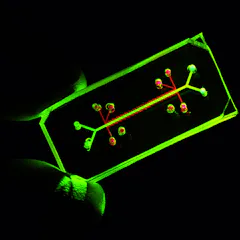
Successes in the lab mostly don’t translate to people. Research models that better mimic the human body could close the gap.
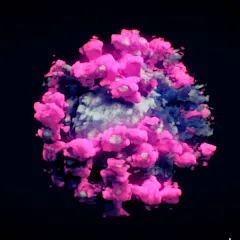
Many microscopy techniques have won Nobel Prizes over the years. Advancements like cryo-ET that allow scientists to see the individual atoms of cells can reveal their biological functions.
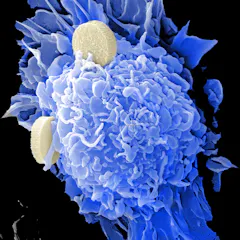
The proteins that cover nanoparticles are essential to understanding how they work in the body. Across 17 proteomics facilities in the US, less than 2% of the identified proteins were identical.
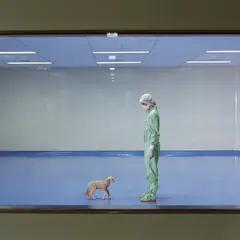
Guidelines and regulations weigh the medical and health benefits of animal research with researchers’ ability to ensure humane care of their subjects from start to finish.

What prompts healthy volunteers to take part in clinical research? And how are they protected?

Peer review of research sounds like it should be a conversation between equals. Instead, it can be patronizing, demanding and simply unkind. A group of journal editors thinks this should change.

Biomedical studies have traditionally used male animals and men as research subjects. That is a problem for everyone because for many diseases, there are sex differences in how they affect people.
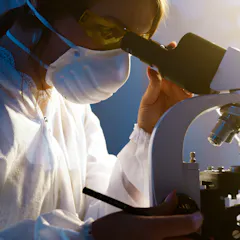
Preclinical studies are an important part of biomedical research, often guiding future trials in humans. Failure to replicate research results suggests a need to increase the quality of studies.
Top contributors
-

Membre du comité d'éthique de l'Inserm, Inserm
-
Associate Professor of Public Policy and Women's Studies, University of Michigan
-
Director of Translational Institute of Medicine (TIME), Queen's University, Ontario
-
Associate Professor of General Pediatrics, University of Florida
-
Professor of Obstetrics and Gynecology, Thomas Jefferson University
-
Senior Lecturer and Co-Director, Policy Ethics and Life Sciences Research Centre, Newcastle University
-
Research officer, Macquarie University
-
Professor of Physiology, Columbia University
-
Professor, Faculty of Law, University of Technology Sydney
-
Associate Professor, Dept of Global Health; Infectious Diseases Specialist, Boston University
-
Lecturer, Department of Zoology, University of Cambridge
-
Professor and NHMRC Investigator Fellow, Institute for Glycomics, Griffith University
-
Secretary-General, International Human Frontier Science Program Organisation; Emeritus Professor, Monash University, Monash University
-
Professor of Biological Sciences, University of Maryland, Baltimore County
-
Senior Research Manager, University of Sydney and Honorary Assistant Professor, Bond University