
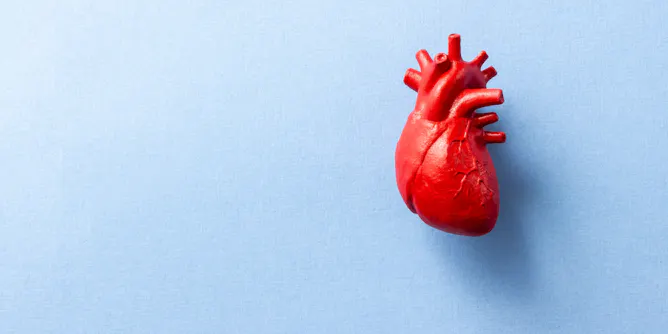
A liquid injected into the heart that sets like a gel could one day prevent strokes caused by atrial fibrillation, animal tests suggest.
Articles on Medical devices
Displaying 1 - 20 of 52 articles

Premature deaths rise during long-term blackouts, and ERs fill up. Knowing who is at risk and some creative solutions can help.
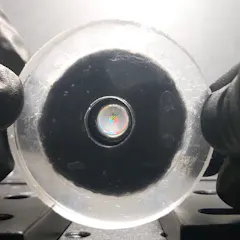
This lens modeled on biological eyes could make it easier to give soft machines and bio-safe tools the ability to see.
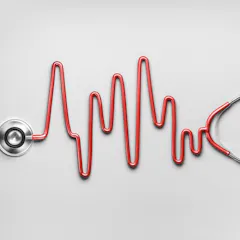
With the help of AI, doctors might be able to detect heart disease before it becomes audible to the human ear.

Ultrasound is perhaps best known as an imaging technique to monitor pregnancy or disease. When these sound waves are highly concentrated, however, they can be used to treat a host of diseases.
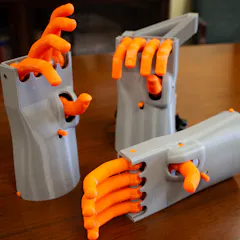
When historians and engineers work together, they can bring a version of the past back to life.
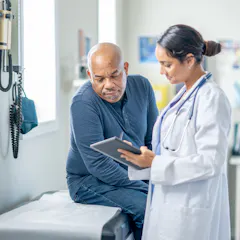
Health insurance companies use AI to decide which health care treatment to cover. State laws and federal agencies are now moving toward regulating these algorithms.
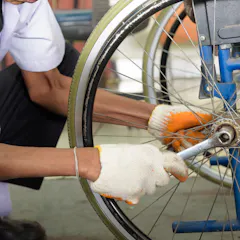
The ‘right to repair’ empowers consumers to fix and modify the products they purchase. When it comes to medical devices, the right to repair can help save lives.

Gunpowder warfare kicked off a new era of invasive surgery and prosthetic technology in Western medicine.
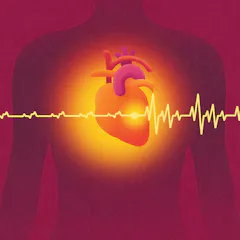
Researchers designed an ultrathin pacemaker that can be implanted via minimally invasive techniques, potentially improving recovery time and reducing the risk of complications.

Medical devices have a legal definition, but the lines might become blurred in future.
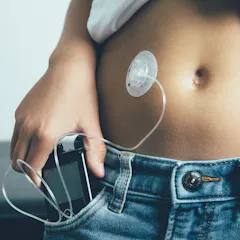
From breast implants to prosthetic knees, implants can trigger a foreign body response that results in your body rejecting them. Suppressing an immune cell gene could reduce this risk.
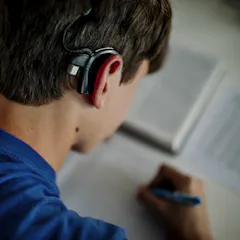
Researchers are exploring different ways to improve how cochlear implant users perceive speech and music in noisy environments.
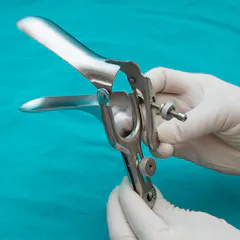
Speculums can be painful and invasive for many women.
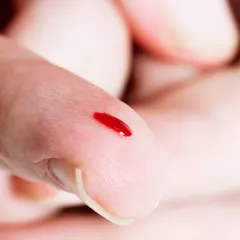
The FDA has chosen not to regulate lab-developed tests like the ones at the center of the Theranos trial.

Tobacco giant Philip Morris has acquired British company Vectura, which make puffers and nebulisers that help people with lung disease to breathe.
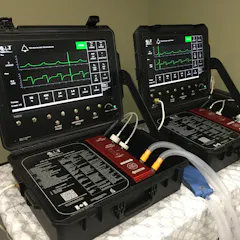
How a veterinarian and a law professor joined a multidisciplinary team to help produce a made-in-Saskatchewan emergency-use ventilator during the COVID-19 pandemic.

Drawing thoughtfully on the Powerhouse Museum’s collection, this exhibition lovingly exposes the humanity behind biomedical technology.

A series of interviews with life-sciences executives finds them desperate to bring Zoom meetings to an end.

A few simple pointers can help you spot a quality mask from a dud.
Top contributors
-

Associate Professor, School of Law, University of Canberra
-
Associate Professor of Law, Bond University
-
Associate Professor of History, Auburn University
-
Lecturer, Adelaide University
-
Prematurity Clinical research fellow, Imperial College London
-
Professor of Bioethics, Macquarie University
-
Professor of Bioethics & Medicine, Sydney Health Ethics, Haematologist/BMT Physician, Royal North Shore Hospital and Director, Praxis Australia, University of Sydney
-
Biomedical Science/Law student, Monash University
-
Adjunct Fellow, Computer Science and Software Engineering, Swinburne University of Technology
-
Biomedical Science/ Law student, Monash University
-
Professor of Medicine, Monash University
-
Professor of Electrical and Computer Engineering, Tufts University
-
Professor of Practice, Sydney Medical School, Faculty of Medicine and Health, University of Sydney
-
Lecturer, Department of Biomedical Science, University of Sheffield
-
ARC Future Fellow, Australian National University