

Tissue engineering and regenerative medicine is based on three key requirements working together: signals from body tissues and organs, responding stem cells, and scaffolds.
Articles on Biomedical engineering
Displaying 21 - 33 of 33 articles
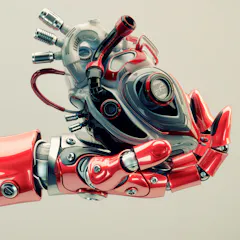
Health care relies on increasingly sophisticated devices for implanting into the body or monitoring it. Yet most med school graduates are not versed in engineering. That needs to change.
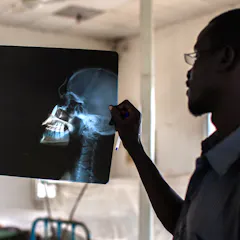
African countries need to start producing and developing their own medical devices. Suitably skilled biomedical engineers are needed for this sort of innovation to take root.

One professor explains how war in Iran led her to a career in biomedical engineering - a rapidly growing field that offers students exciting opportunities to serve humanity.

Highly trained dancers provide insights for researchers helping design improved rehab programs for people with mobility impairments. The next step could include rehab robots as dance partners.

Programmable materials that can change shape could have all manner of potential uses.
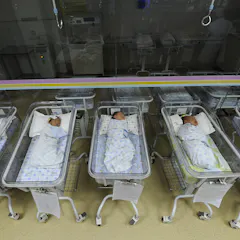
Regulations, funding and public opinion around genetically enhancing future generations vary from country to country. Here’s why China may be poised to be the pioneer.

That genetic editing techniques have become as straightforward as they have poses questions for how we want them to be used.
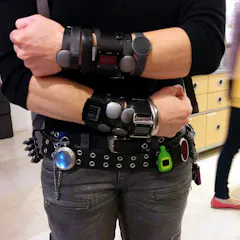
We can already track plenty of body data, but to really make a difference, wearables need to consistently collect clinically valuable information that can be used to improve health.

Many amputees experience pain in their missing limbs, but allowing them to “see” their missing limbs in action through augmented reality technology may help alleviate this phantom limb pain (PLP), a case…
Researchers have developed a new method of polymer synthesis based on two processes: “segregation” and “templating”. These…
A variant of a protein naturally used to manufacture the essential amino acid histidine has been designed and successfully…

Monkeys fitted with brain implants can “feel” different surfaces of identical virtual objects, a new study shows, paving the way for technology that may paralysed people experience the sense of touch…
Top contributors
-

Associate Dean for Research and Professor of Biomechanics, Kennesaw State University
-
Professor of Biomedical Engineering, University of Manitoba
-
Professor of Ethics, Keele University
-
Professor of Biomedical Engineering and Rehabilitation Medicine, Emory University
-
Professor of Bioethics, University of Sydney
-
Assistant Professor of Architecture, The University of Western Australia
-
Senior Research Officer, Neuroscience Research Australia
-
Associate Professor of Biomedical Engineering, George Washington University
-
Assistant Professor of Medicine, Emory University
-
Professor, Chalmers University of Technology
-
Professor of Biomedical Engineering and Medicine, University of Virginia
-
Professor & Research Chair - Biomedical Engineering & Innovation, University of Cape Town
-
Professor of Biology, Tufts University
-
Assistant Professor of Biomedical Engineering and Optical Sciences, University of Arizona
-
Assistant Professor in Biomedical Ethics, National University of Singapore