

Scientists used Lego to build a bioprinter capable of printing human tissue samples.
Articles on Biology
Displaying 161 - 180 of 495 articles
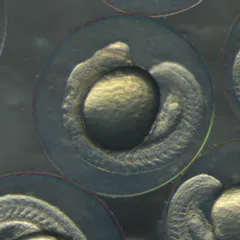
Some animals appear to use a ‘parliament’ of genes to determine sex. But a closer look reveals these are the exception rather than the rule.
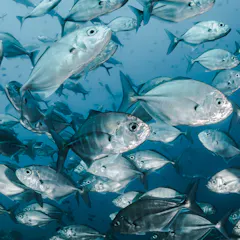
El Niño can trigger intense and widespread periods of extreme ocean warming known as marine heat waves. They can devastate marine life.
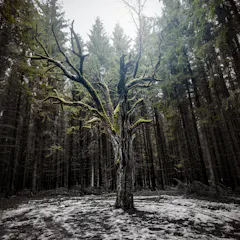
Even in death, a tree helps others live.
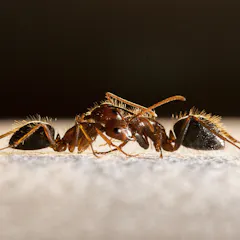
Researchers explore what happens when ants can’t properly use smell to detect friend from foe.
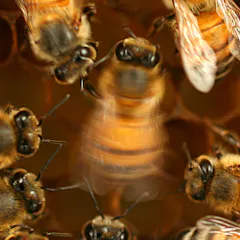
Honeybees possess one of the most complex examples of nonhuman communication. New research suggests that it is learned and culturally passed down from older to younger bees.
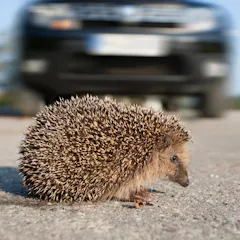
Research on Denmark’s hedgehogs offers insight into their cause of death – and how to help them.

Slime moulds feature throughout HBO’s The Last of Us. While they aren’t a true fungus, they do have a lot in common with zombies.

At the most basic level, the brain releases a cocktail of chemicals. But there’s more to it than that.
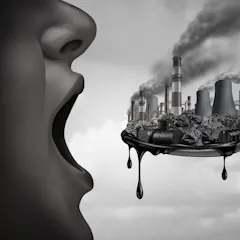
Milk and its derivatives, meat products (especially fat), fish and seafood may be contaminated with PCBs, toxic substances that have been proven to accelerate cellular ageing.
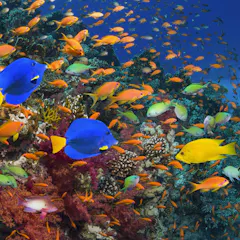
Scientists are learning that diversity has many perks – whether in multispecies groups of animals or human society.
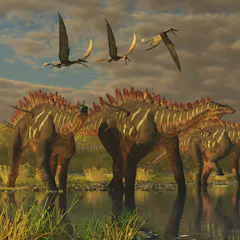
Birds and dinosaurs lived together for millions of years, but only toothless birds survived the asteroid impact that upended life on Earth.

From insects to birds to bats to frogs, these little loudmouths have found ingenious ways to deliver their messages at high volume.
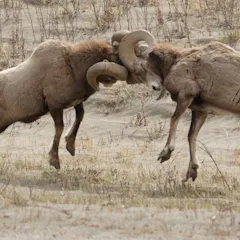
Life can be a struggle for power – not just for people but for nonhuman animals, too. An animal behaviorist explains how this quest can be more Shakespearean drama than boxing match.

A puzzle over the identity of an extinct bird that laid eggs across Australia has been solved.
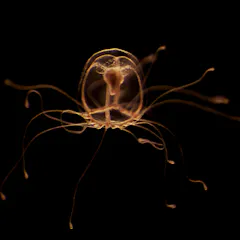
The immortal jellyfish ‘Turritopsis dohrnii’ is capable of escaping death. The molecular keys involved in its longevity have been revealed by researchers at the University of Oviedo.
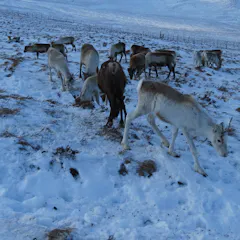
In winter, light in the northern latitudes is dim and very blue compared to summer light. Reindeer eyes have evolved to be better suited at seeing in this unique environment.

Lots of kids wonder about this. Here are some of the basics.
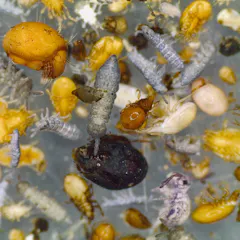
New research shows rewilding with invertebrates – insects, worms, spiders and the like – can go a long way in bringing our degraded landscapes back to life.

The days of freeze-fried astronaut ice cream are long behind us. What will humans eat on Moon colonies in the future? Carefully engineered space gardens could be the answer.
Top contributors
-

Doctoral Student in Biochemistry, University of Washington
-
ARC Future Fellow, Behavioural Ecology, Macquarie University
-
Emeritus Strategic Professor in Palaeontology, Flinders University
-
Investigador Científico, Estación Biológica de Doñana (EBD-CSIC); The University of Western Australia
-
Senior lecturer, School of Biological Sciences, University of Bristol, University of Bristol
-
Postdoctoral Fellow, EPFL – École Polytechnique Fédérale de Lausanne – Swiss Federal Institute of Technology in Lausanne
-
Biologist
-
Professor of Entomology, North Carolina State University
-
Principal Lecturer in Wildlife Conservation, Nottingham Trent University
-
Fellow, Keele University
-
Lecturer, Macquarie University
-
Senior Lecturer in Molecular Biology, University of Sydney
-
Professor of Biological Sciences, University of Maryland, Baltimore County
-
Chercheur à l’Institut de systématique, évolution, biodiversité (ISYEB), Muséum national d’histoire naturelle (MNHN)
-
Mark Elgar is a Friend of The Conversation.
Emeritus Professor of Evolutionary and Behavioural Ecology, The University of Melbourne