
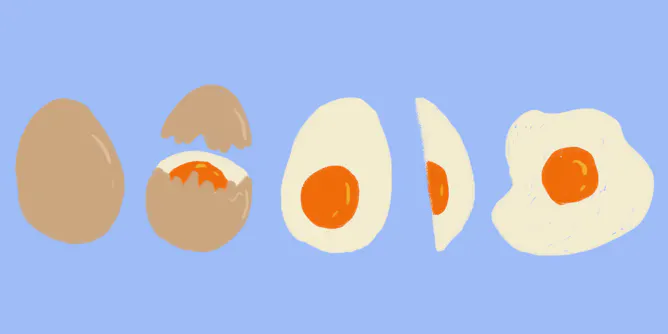
A yolk allows a developing animal to stay in an egg longer, boosting its chance of survival. The downside is the mother has to work hard finding extra food so her body can create a nutritious yolk.
Articles on Biology
Displaying 301 - 320 of 495 articles

The short answer is we have evolved to have nails because they help us pick things up (like food) and pick things off (like bugs).

Scientists and ethicists have called for a five-year moratorium on editing human genes that will pass on to future generations. Yes, society needs to figure out how to proceed – but is this the best way?
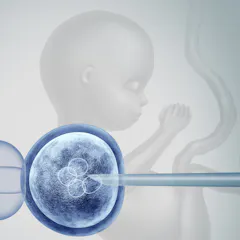
Scientists worldwide are calling for a moratorium on gene editing in germline cells. But what is a germline cell? How does it differ from other cells in our body? Why does it matter if we edit them?
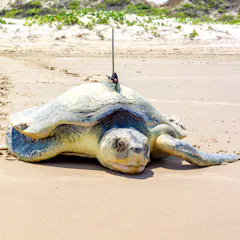
Mathematic models are becoming more sophisticated and now they could actually predict how likely a species is to die out.

How the zebra got its stripes is not only a just-so story, but an object of scientific inquiry. New research suggests that stripes help zebras evade biting flies and the deadly diseases they carry.
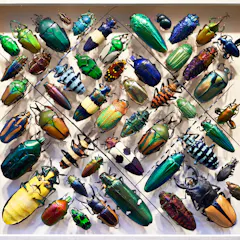
A recent report warned that insects ‘could vanish by the end of the century’. Here’s why that would cause a collapse of nature.
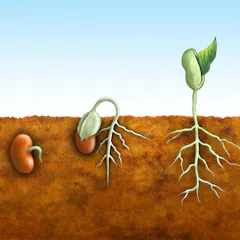
This is the story of how seeds came together bit-by-bit over a really long time, as plants evolved.
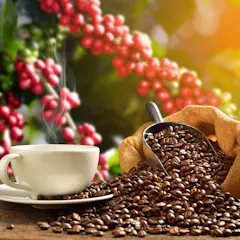
There are over 100 species of wild coffee, but only a few supply the world’s morning caffeine kick. Sadly, climate change and disease could be about to change that.
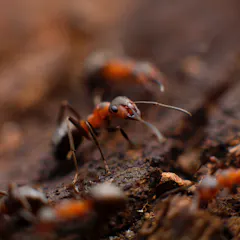
Ants have something similar to blood, but it’s called haemolymph. Some insects use it in unusual ways. When threatened by a predator, blister beetles can squirt haemolymph from their knees.
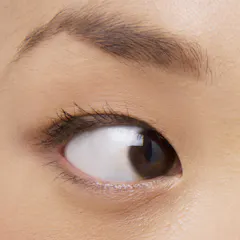
Our eyes don’t grow much at all – but when we’re very young, we still need to learn how to see.

Did you ever consider that human beings might have a breeding season? Birth seasonality exists – and has interesting implications for childhood disease outbreaks.
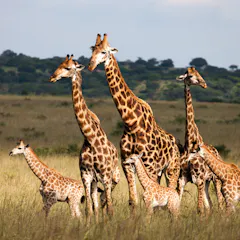
It can actually be very tricky to define a species, but in the 1900s, scientists found a pretty good way.
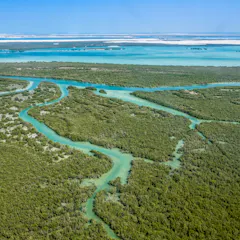
Mangrove forests grow in the tidal lagoons of tropical coastlines and they could actually benefit from climate change. Here’s what that means for us.
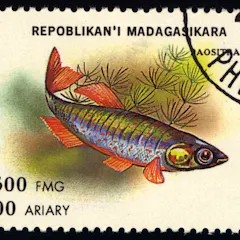
The mummichog is a little-known fish that has made significant contributions to biological knowledge.
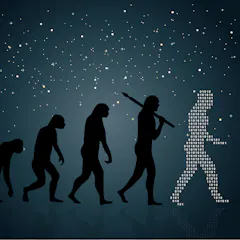
Artificial intelligence research owes a lot to biology and chemistry.
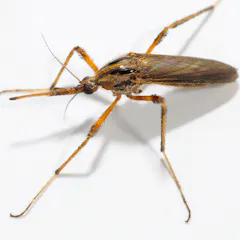
Yes, giant mosquitoes are a thing. They’re specialized to wait out the dry times only to emerge from their eggs when high water provides the perfect larval environment.
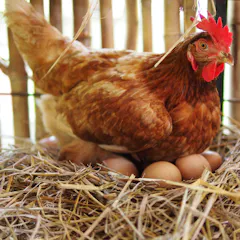
Having looked after chickens for generations, humans are pretty good at getting them to keep on laying eggs.

Sharks eating seagrass? Sounds fishy, but the reality is that animals don’t conform to the strict categories we try to place on their diets.

There was once a chicken called Miracle Mike who lived for 18 months without a head: it’s all to do with nerves.
Top contributors
-

Doctoral Student in Biochemistry, University of Washington
-
ARC Future Fellow, Behavioural Ecology, Macquarie University
-
Emeritus Strategic Professor in Palaeontology, Flinders University
-
Investigador Científico, Estación Biológica de Doñana (EBD-CSIC); The University of Western Australia
-
Senior lecturer, School of Biological Sciences, University of Bristol, University of Bristol
-
Postdoctoral Fellow, EPFL – École Polytechnique Fédérale de Lausanne – Swiss Federal Institute of Technology in Lausanne
-
Biologist
-
Professor of Entomology, North Carolina State University
-
Principal Lecturer in Wildlife Conservation, Nottingham Trent University
-
Fellow, Keele University
-
Lecturer, Macquarie University
-
Senior Lecturer in Molecular Biology, University of Sydney
-
Professor of Biological Sciences, University of Maryland, Baltimore County
-
Chercheur à l’Institut de systématique, évolution, biodiversité (ISYEB), Muséum national d’histoire naturelle (MNHN)
-
Mark Elgar is a Friend of The Conversation.
Emeritus Professor of Evolutionary and Behavioural Ecology, The University of Melbourne