

We’re the only species that can throw at speeds that kill.
Articles on Biology
Displaying 241 - 260 of 496 articles

Trees and shrubs in cold-weather climates rely on certain signals, such as temperature and light, to know when to leaf out and bloom. Climate change is scrambling those signals.

For some sand-dwelling plants, stickiness is a defense tactic that keeps predators at bay.
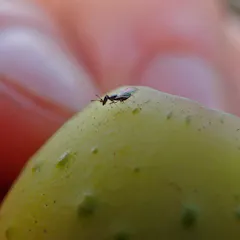
As invasive species transform the world, frontline agencies take solace that species needing unique partners can’t invade alone. A new study on figs shows they may find new partners to invade anyway.
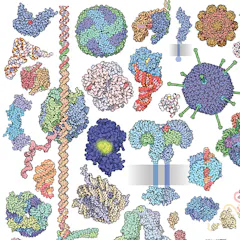
A biologist explains where proteins come from and what role the 20,000 or so proteins in your body play in keeping you alive and kicking.
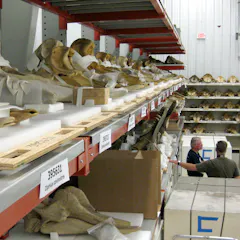
Specimen preservation means researchers don’t need to reinvent the wheel each time they ask a new question, making it critical for the advancement of science. But many specimens are discarded or lost.
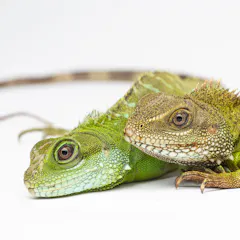
Parthenogenesis, a form of reproduction in which an egg develops into an embryo without being fertilized by sperm, might be more common than you realized.

Animals that regularly dine on toxic food may hold clues for designing new drugs to treat persistent pain in humans.
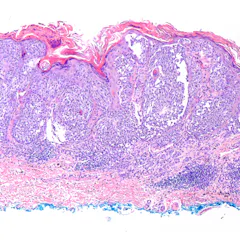
To better understand how cancer tumors grow, mathematicians use diffusion models.
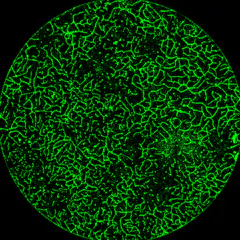
New strategy helps build synthetic organs from scratch. This enabled the researchers to grow functioning liver tissue in the lab that could be transplanted into mice with liver disease.
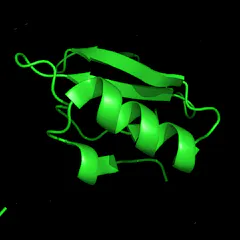
Scientists in an artificial intelligence lab have made a breakthrough in solving the problem of how proteins fold into their final three-dimensional shape. The work could speed up creation of drugs.
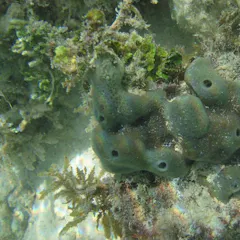
DNA from the humble sea sponge is shedding light on the “dark matter” that makes up much of our genomes.
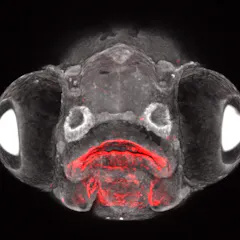
Recent studies using CRISPR to fast-track genetic studies into human disease genes appear flawed.

Research shows the clearing of forests on Indonesia’s Sulawesi island threatens the existence of endemic primates.
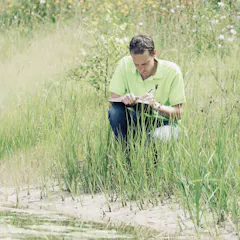
It’s one of the largest funding cuts to any university course, and will leave Australia ill-equipped to deal with the environmental challenges of the future.

Scientists are revealing the extent to which our behaviour is influenced by our genes, calling into question our capacity for free will. But there is still scope for change.
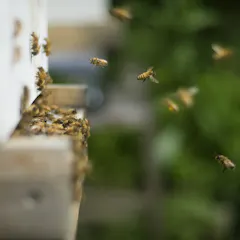
New research suggests individual bees are born with one of two learning styles – either curious or focused. Their genetic tendency has implications for how the hive works together.
Microbes in the gut aren’t just important for digesting your food. In pregnant women, these gut microbes are producing chemicals that are essential for proper brain development of the fetus.

Three new studies show corticosteroids can reduce deaths in critically ill COVID-19 patients. But what about other patients?
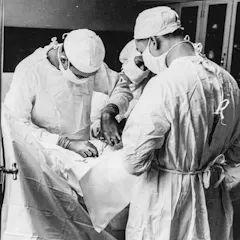
The US has a long history of forced sterilization campaigns that were driven by the bogus ‘science’ of eugenics, racism and sexism.
Top contributors
-

Doctoral Student in Biochemistry, University of Washington
-
ARC Future Fellow, Behavioural Ecology, Macquarie University
-
Emeritus Strategic Professor in Palaeontology, Flinders University
-
Investigador Científico, Estación Biológica de Doñana (EBD-CSIC); The University of Western Australia
-
Senior lecturer, School of Biological Sciences, University of Bristol, University of Bristol
-
Postdoctoral Fellow, EPFL – École Polytechnique Fédérale de Lausanne – Swiss Federal Institute of Technology in Lausanne
-
Biologist
-
Professor of Entomology, North Carolina State University
-
Principal Lecturer in Wildlife Conservation, Nottingham Trent University
-
Fellow, Keele University
-
Lecturer, Macquarie University
-
Senior Lecturer in Molecular Biology, University of Sydney
-
Professor of Biological Sciences, University of Maryland, Baltimore County
-
Chercheur à l’Institut de systématique, évolution, biodiversité (ISYEB), Muséum national d’histoire naturelle (MNHN)
-
Mark Elgar is a Friend of The Conversation.
Emeritus Professor of Evolutionary and Behavioural Ecology, The University of Melbourne