
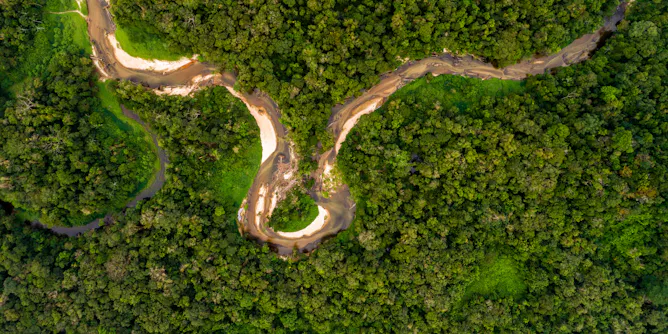
As the world’s largest rainforest, the Amazon is not only an important carbon sink, but also home to thousands of species of plants and animals and a crucial part of the water cycle.
Articles on Biodiversity loss
Displaying 101 - 120 of 138 articles

What do ammonium nitrate and iodine have in common? Both substances are of immense service to humankind, and the history of their discovery is closely linked to that of the production of explosives.
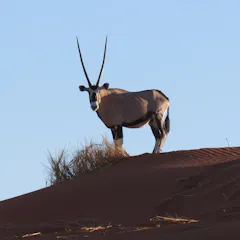
Wildlife populations have plummeted by 68% since 1970. But we have a plan to turn things around.

Recent reports of dramatic declines in insect populations have sparked concern about an ‘insect apocalypse.’ But a new analysis of data from sites across North America suggests the case isn’t proven.
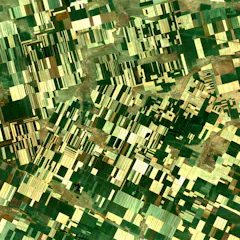
The steep decline in biodiversity is worrying, especially as wild species are important for pollination and pest control.
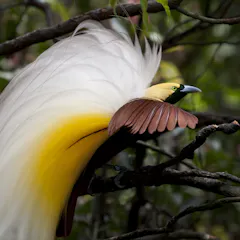
By identifying the roots of global ills such as climate change and biodiversity, there’s an opportunity for coordinated action as countries lay new pathways for a post-COVID world.
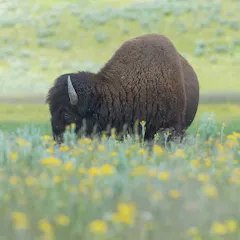
The historical record is full of surprises – and it could encourage conservationists to think more creatively.
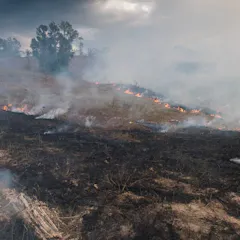
Philanthropy in the form of financial donations is not a solution to the natural disasters caused by climate change. A new philanthropy of social change is needed.
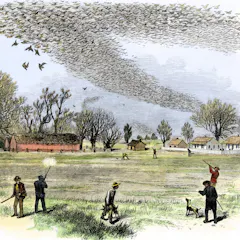
For decades, the extinction of passenger pigeons has been explained by two theories of human impact. New research shows one of these theories is now more compelling than the other.

For decades Australian scientists have, clearly and respectfully, warned about the risks to Australia of a rapidly heating climate. After this season’s fires, perhaps it’s time to listen.
2019 was a big year for dire warnings about the state of the planet, but crises can spur solutions.
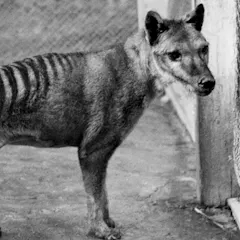
New research has revealed 100 plant and animal species have become extinct in the past two centuries – a far higher number than previously thought.
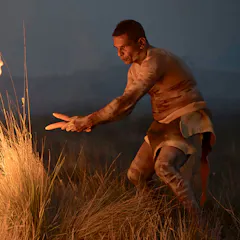
Indigenous people used small fires skilfully to prevent larger bushfires. In this time of crisis, we must learn from them.
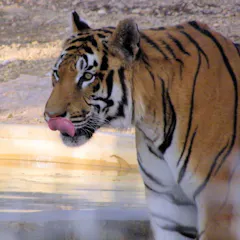
The Earth has experienced five periods of mass extinction. Scientists can’t quite be certain yet, but they’re fairly sure we’re now well into the sixth.

Discussions about climate change often skirt around the issue of population growth, but it is the main driver of rising carbon dioxide levels and many other environmental changes on a planetary scale.
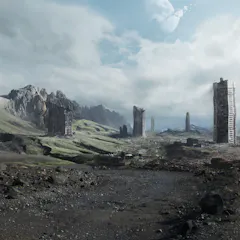
Governments fail to imagine how worst-case scenarios can come about – much less plan for them. But there are things we can do.
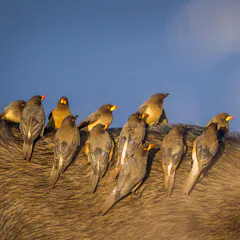
Our prevailing relationship with nature is based on framing the living world as a set of natural resources. This utility-based worldview perpetuates the drivers of ongoing biodiversity loss.

Democracy is not perfect. Sometimes it produces policies that are undemocratic and unjust. In those cases, breaking the law may be justified.
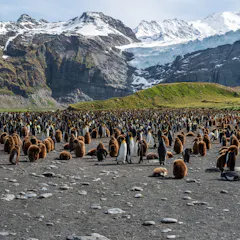
Polar regions may be becoming more profitable, but these “benefits” come with far more severe costs.
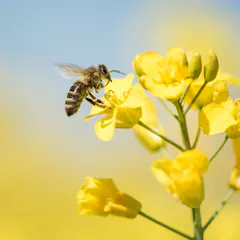
It’s unlikely that all species of bees will go extinct anytime soon – but current losses could still have a terrible impact on food supplies and ecosystems.
Top contributors
-

University Fellow in Biodiversity, Charles Darwin University
-
Professor in Wildlife Ecology and Conservation, School of Life & Environmental Sciences, Deakin University
-
Professor of Conservation Biology, Charles Darwin University
-
Adjunct professor, Institute of Forestry and Conservation and Department of Ecology and Evolution, University of Toronto
-
Matthew Flinders Professor of Global Ecology and Node Leader in the ARC Centre of Excellence for Indigenous and Environmental Histories and Futures, Flinders University
-
Professor of Environmental Management, The University of Queensland
-
Professor of Wildlife Conservation, Australian National University
-
Professor, Urban Ecology and Biodiversity, The University of Melbourne; RMIT University
-
Associate Professor, Singapore Management University
-
Research Director CSIRO Health & Biosecurity, CSIRO
-
Professor in Terrestrial Ecology, Deakin University
-
Professor of Ecology, Charles Darwin University
-
Honorary Associate Professor, ANU College of Law, Australian National University
-
Professor, TC Beirne School of Law, The University of Queensland
-
Honorary Research Fellow, University of Sydney