
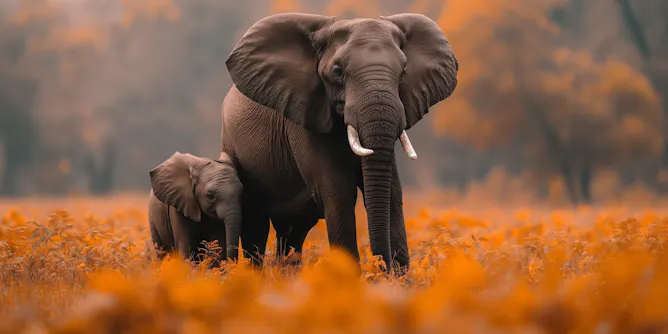
Like big, tall trees in old-growth forests, older animals are irreplaceable. Pulling them out leaves the ecosystem less resilient to future shocks. It’s time for ‘longevity conservation’ measures.
Articles on Biodiversity loss
Displaying 21 - 40 of 138 articles
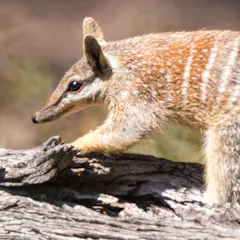
Australia’s carbon credit scheme largely fails to protect threatened species, despite assumptions to the contrary. The findings provide cautionary lessons for the nature repair scheme.

Without a national One Health plan, Canada is vulnerable to threats from worsening climate change, accelerating biodiversity loss, pandemics and superbugs.

While governments at COP16 make glacial progress on protecting nature, what billions of people choose to do individually can add up to make a big difference.
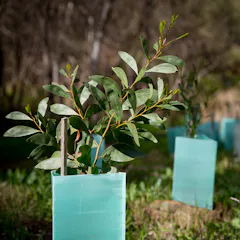
As Australia prepares to host the first Global Nature Positive Summit this week, let’s take a closer look at what ‘nature positive’ really means.
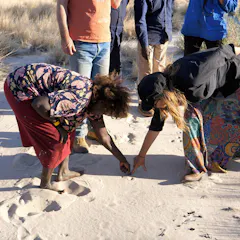
Footprints, droppings, diggings and other signs left behind by animals reveal a lot to a skilled observer. Indigenous knowledge feeds into one of Australia’s largest wildlife monitoring endeavours.

Conservative, socialist or nationalist, what’s best for biodiversity? The results may surprise you. We studied 165 nations, examining threatened species numbers and the extent of protected areas.

Spotlight on Australia’s ‘nature positive’ environmental reforms: last chance for this parliament to get serious about halting the decline of nature.

‘Forest mafia’ are fueling ‘narco-deforestation’ through illegal land acquisition, mineral extraction, and poaching.

Eating sustainably is more feasible than most realize. These four tips can help reduce the footprint of your kitchen while also helping you live a more healthy life.
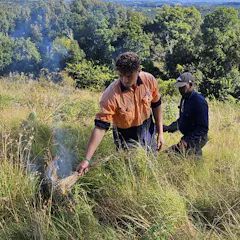
Many Indigenous people want to help protect their traditional lands. That requires deciding which species and habitat matter most to them.
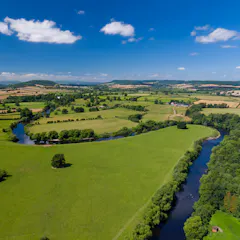
Our research suggests environmental DNA analysis could transform traditional ways of monitoring freshwater ecosystems.
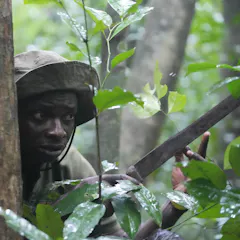
Interventions to prevent crime against wildlife can be effective, but significant gaps in our knowledge remain.
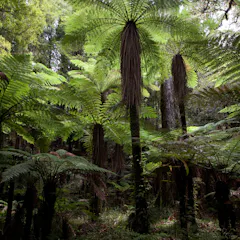
The rights-of-nature movement emerged as a response to economic pressures on ecosystems. But the success of projects depends on how well legal liability is defined.
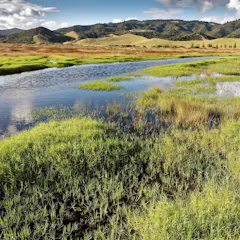
With submissions about to close on the government’s proposed fast-track consenting legislation, its possible impact on New Zealand’s diminished and delicate ecosystems demands proper scrutiny.

Some butterflies are expanding their ranges as the climate changes, others are dwindling.
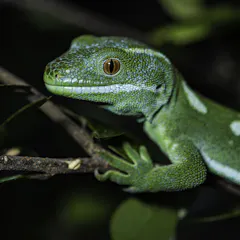
New Zealand’s plants and animals are globally unique and underpin primary production and tourism. The government’s fast-tracking proposal threatens to erode the natural capital the economy relies on.
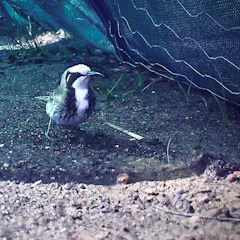
We need every tool at our disposal to stop feral cats and foxes from decimating Australia’s incredible wildlife after fires. Artificial refuges show promise.
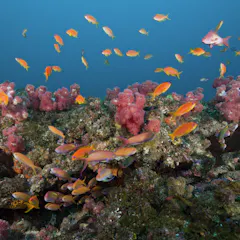
More tools are available to collate biodiversity data that can be used for conservation decision making.

News about the growing ecological crisis may cause people to feel grief and fear. It is understandable to seek relief from these feelings and look for good news. But what if grief is the good news?
Top contributors
-

University Fellow in Biodiversity, Charles Darwin University
-
Professor in Wildlife Ecology and Conservation, School of Life & Environmental Sciences, Deakin University
-
Professor of Conservation Biology, Charles Darwin University
-
Adjunct professor, Institute of Forestry and Conservation and Department of Ecology and Evolution, University of Toronto
-
Matthew Flinders Professor of Global Ecology and Node Leader in the ARC Centre of Excellence for Indigenous and Environmental Histories and Futures, Flinders University
-
Professor of Environmental Management, The University of Queensland
-
Professor of Wildlife Conservation, Australian National University
-
Professor, Urban Ecology and Biodiversity, The University of Melbourne; RMIT University
-
Associate Professor, Singapore Management University
-
Research Director CSIRO Health & Biosecurity, CSIRO
-
Professor in Terrestrial Ecology, Deakin University
-
Professor of Ecology, Charles Darwin University
-
Honorary Associate Professor, ANU College of Law, Australian National University
-
Professor, TC Beirne School of Law, The University of Queensland
-
Honorary Research Fellow, University of Sydney