

A group of prominent environmental scientists devised this list of 5 things we must see in Australia’s new national environmental laws, if we are to avoid calamity and hasten recovery.
Articles on Biodiversity loss
Displaying 41 - 60 of 138 articles
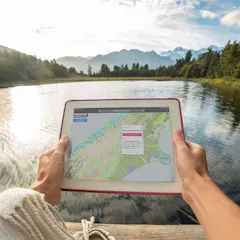
Technologies such as remote sensing and artificial intelligence are making it easier to gather more accurate data on biodiversity. Developing these digital tools will help vital ecosystem restoration.
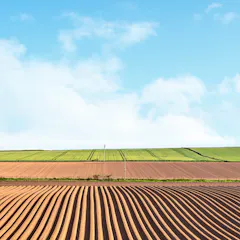
Britain has lost large areas of semi-natural habitat since the 1930s.
A therapist shares advice for harnessing your stress over climate change and other environmental harms and putting it to work.
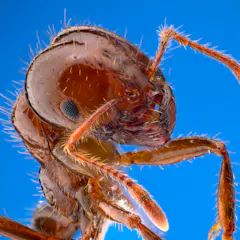
Australia’s biosecurity system is on high alert for alien invaders. Here’s a hit list of eight baddies we believe pose the greatest threat to Australia’s biodiversity.

Alien invaders are penetrating the borders of every country in the world. Now the full extent of the problems and potential solutions have been exposed, in a new United Nations report.

The UN ‘30 by 30’ biodiversity strategy aims to set aside 30% of land as protected areas. New research shows these areas do support biodiversity, but big parks also increase it outside their borders.

I have spent five years tracking down more than 10,000 accounts of wildlife by naturalists, travellers, historians and even poets, all written between 1529 and 1772
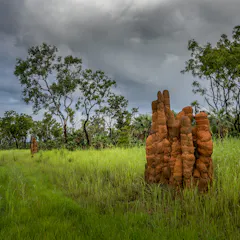
Hungry for development and industry investment, the Northern Territory government is putting one of the world’s last intact tropical ecosystems at risk. Scientists are calling for better protections.

A new survey finds Australians care deeply about the environment but many are not aware of the full extent of biodiversity loss.
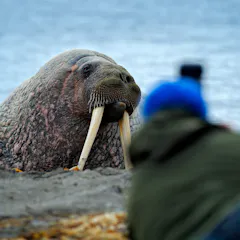
Any law that protects threatened wildlife should be welcomed – but a ban alone will not prevent illegal activity.
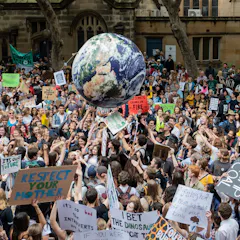
Human civilisation is headed for collapse. Collectively, we are pushing planet Earth beyond the limits of endurance. There has to be a better way. Now a new book makes the case for systemic change.
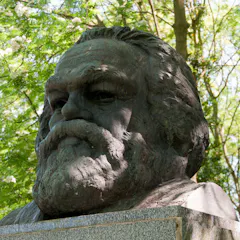
What does Karl Marx have to say about climate change? Quite a lot, according to a new book.
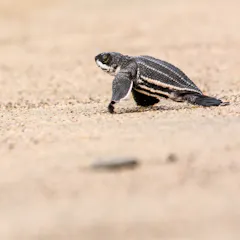
If environmental harm wrought by the port cannot be addressed, the project should not be allowed to proceed.

Huge swathes of Africa remain unstudied and their species undocumented.
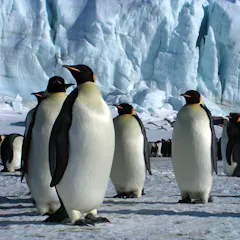
The species at risk include flowering plants, moss and lichens, tough invertebrates and breeding seabirds.
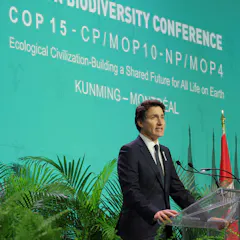
Global summits to arrest Earth’s deteriorating health look increasingly farcical.
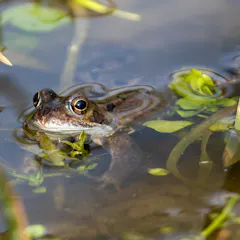
Nurturing habitats close to home can make a world of difference for wildlife.
New research finds nearly 30% of land animals could disappear form their local area by 2100 due to climate change and habitat destruction. This is more than double previous predictions.

We need more targeted investments in solutions that have a positive impact on nature to reverse biodiversity loss.
Top contributors
-

University Fellow in Biodiversity, Charles Darwin University
-
Professor in Wildlife Ecology and Conservation, School of Life & Environmental Sciences, Deakin University
-
Professor of Conservation Biology, Charles Darwin University
-
Adjunct professor, Institute of Forestry and Conservation and Department of Ecology and Evolution, University of Toronto
-
Matthew Flinders Professor of Global Ecology and Node Leader in the ARC Centre of Excellence for Indigenous and Environmental Histories and Futures, Flinders University
-
Professor of Environmental Management, The University of Queensland
-
Professor of Wildlife Conservation, Australian National University
-
Professor, Urban Ecology and Biodiversity, The University of Melbourne; RMIT University
-
Associate Professor, Singapore Management University
-
Research Director CSIRO Health & Biosecurity, CSIRO
-
Professor in Terrestrial Ecology, Deakin University
-
Professor of Ecology, Charles Darwin University
-
Honorary Associate Professor, ANU College of Law, Australian National University
-
Professor, TC Beirne School of Law, The University of Queensland
-
Honorary Research Fellow, University of Sydney