

Our understanding of the causes of Alzheimer’s disease is evolving. Recent discoveries have revealed the important role of the cerebral vascular system.
Articles on Beta-amyloid
Displaying 1 - 20 of 25 articles

A major new study finds people with type 1 diabetes face nearly three times the dementia risk. But lifestyle changes and new treatments offer real hope.

Despite decades of starts and stops, new treatments and key genetic discoveries are giving researchers great hope for slowing or eventually preventing Alzheimer’s disease.

Several new drugs have recently been approved in the US to treat Alzheimer’s disease. But they’re not quite the breakthrough that some are claiming.

In clinical trials, lecanemab slowed disease progression by 27% and reduced the amount of plaque found in the brains of those with Alzheimer’s disease.

An 18-month treatment with lecanemab slows functional and cognitive loss by 27 per cent in people with mild Alzheimer’s disease. But this is only the first step towards a real cure.

Impaired insulin receptors in the blood vessels between the blood and the brain may contribute to the insulin resistance observed in Alzheimer’s disease.
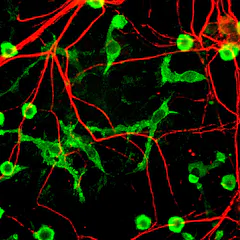
Microglia, immune cells disguised as brain cells, are known as the janitors of the brain. Dialing up their usual duties just enough could provide an avenue to treat neurodegenerative disease.
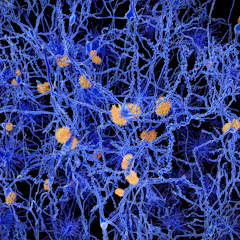
Too much amyloid-beta in the brain has long been considered the cause of Alzheimer’s. New research suggests it might be the opposite.
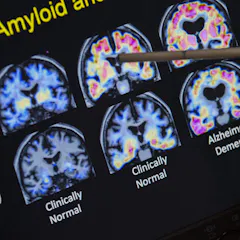
Alzheimer’s may not be primarily a disease of the brain. It may be a disorder of the immune system within the brain. Beta-amyloid may not be an abnormal protein, but part of the brain’s immune system.

A highly cited paper on Alzheimer’s disease may have been purposely manipulated.
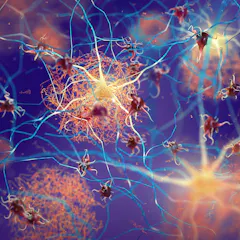
If replicated in humans, these findings could mean that targeting or boosting the circadian rhythm in Alzheimer’s patients, could help with managing the disease

PET scans using a special tracer can pick up ‘tau tangles’ in the brain.

Clinical trials of the drug have shown mixed results.
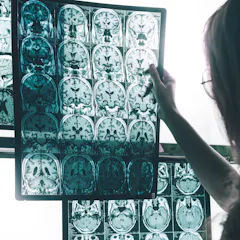
The first drug targeting Alzheimer’s disease has been approved in 20 years – but its approval isn’t based on substantial evidence.

The FDA approved Alzheimer’s disease drug aducanumab despite minimal evidence of its efficacy. Whether this decision ultimately hurts or helps patients depends on data researchers don’t yet have.

It was first officially described 115 years ago, but we still do not have a cure for Alzheimer’s disease. The human brain is extremely complex, and Alzheimer’s is its most complex disease.
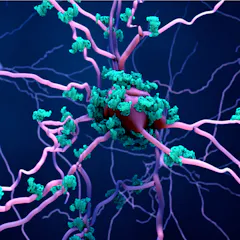
The researchers developed a molecule which works to stop toxic proteins from building up in the brain.

We now have the technology to identify people who are on a fast track to developing dementia.

Protein tangles have been blamed for causing Alzheimer’s – but drugs that target them keep failing.
Top contributors
-

Research Fellow in Neuroimmunology, UCL
-
Professeur, Université Laval
-
Associate Professor in Cellular Neuroscience, University of Reading
-
Professor of Chemistry and Senior Scientist of the Krembil Research Institute, University Health Network, University of Toronto
-
PhD student, Université Laval
-
Ph.D. Candidate in Neuroscience, University of Virginia
-
Professor and Chair in Ageing and Alzheimer’s Disease, Edith Cowan University
-
Senior Lecturer in Cell Biology, University of Lancashire
-
Postdoctoral Researcher in Neuroscience, University of Sussex
-
Assistant Scientist, University of Florida
-
Professionnel de recherche, Université Laval
-
Postdoctoral Researcher, Karolinska Institutet
-
PhD Candidate, University of Sussex
-
Professor of Neurology and Neuroscience, University of Florida
-
NIHR Doctoral Fellow in Public Health, University of Cambridge