
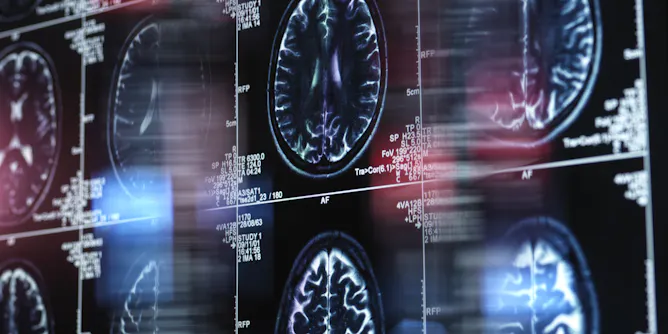
Despite decades of starts and stops, new treatments and key genetic discoveries are giving researchers great hope for slowing or eventually preventing Alzheimer’s disease.
Articles on Aducanumab
Displaying all articles

In clinical trials, lecanemab slowed disease progression by 27% and reduced the amount of plaque found in the brains of those with Alzheimer’s disease.
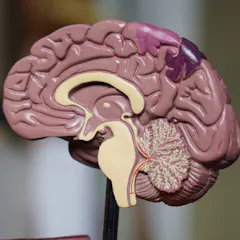
Two new dementia drugs are being hailed as breakthroughs. But what might be an incremental breakthrough for researchers, doesn’t mean a cure for patients.
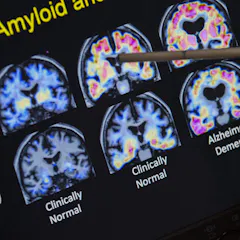
Alzheimer’s may not be primarily a disease of the brain. It may be a disorder of the immune system within the brain. Beta-amyloid may not be an abnormal protein, but part of the brain’s immune system.
Although Medicare has agreed to pay for Aduhelm, its coverage comes with restrictions.

FDA approval of aducanumab (Aduhelm) was contentious. Its submission to Health Canada for approval highlights concerns about evidence, independence and transparency in Canada’s drug approval process.

The new drug is based on the idea that a build-up of amyloid in the brain leads to the disease. But that hypothesis has been under scrutiny lately.

The FDA approved Alzheimer’s disease drug aducanumab despite minimal evidence of its efficacy. Whether this decision ultimately hurts or helps patients depends on data researchers don’t yet have.

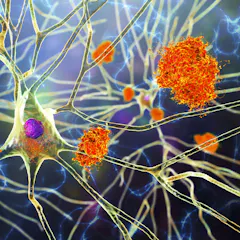
Protein tangles have been blamed for causing Alzheimer’s – but drugs that target them keep failing.
Top contributors
-

Professor of Chemistry and Senior Scientist of the Krembil Research Institute, University Health Network, University of Toronto
-
Distinguished Professor of Pharmacy Practice, University of Connecticut
-
Associate Professor, Turner Institute for Brain and Mental Health, Monash University
-
Assistant Professor of Emergency Medicine, Albert Einstein College of Medicine
-
Étudiant au doctorat en psychologie, Université du Québec à Montréal (UQAM)
-
Professor of Neurology and Neuroscience, University of Florida
-
Postdoctoral Research Fellow (Neuropsychology), Monash University
-
Senior Lecturer in Cell Biology, University of Lancashire
-
Associate professor, Department of Family and Community Medicine, University of Toronto; York University, Canada; University of Sydney
-
Professor of cognitive pharmacology, Université du Québec à Montréal (UQAM)
-
Professor of Neurology, University of Miami