
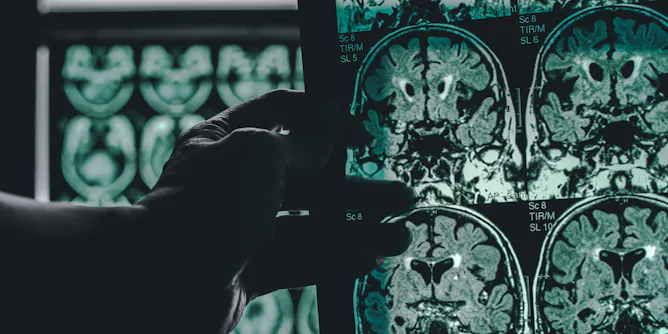
Alzheimer’s researcher Donald Weaver tells The Conversation Weekly podcast what he’s learnt during more than 30 years of studying the disease.
Articles on Alzheimer's medication
Displaying all articles
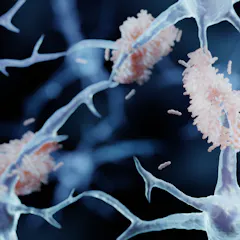
Around 5-10% of all Alzheimer’s cases are in people under the age of 65.

Confused by conflicting studies about the link between viagra and Alzheimer’s? Two experts explain the disparaties

Several new drugs have recently been approved in the US to treat Alzheimer’s disease. But they’re not quite the breakthrough that some are claiming.

The drug has been hailed as a ‘turning point’ in Alzheimer’s treatment. But keep in mind the trial only included participants with early or mild disease. And while it slowed decline, it’s not a cure.
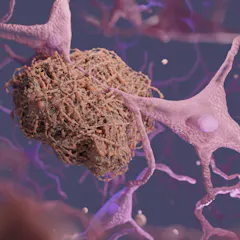
Late-stage trial results suggest the drug can slow cognitive decline by 35%.

In clinical trials, lecanemab slowed disease progression by 27% and reduced the amount of plaque found in the brains of those with Alzheimer’s disease.

An 18-month treatment with lecanemab slows functional and cognitive loss by 27 per cent in people with mild Alzheimer’s disease. But this is only the first step towards a real cure.

Not all Alzheimer’s research has been compromised by allegations of scientific fraud. But we should interrogate whether the governing bodies of research and drug approvals are truly effective.
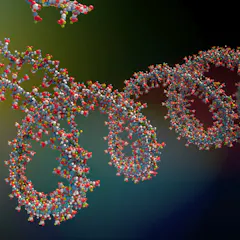
Machine learning is great at finding patterns but doesn’t know what those patterns mean. Combine it with knowledge gained from genetic research and you have a powerful view into the workings of cells.

FDA approval of aducanumab (Aduhelm) was contentious. Its submission to Health Canada for approval highlights concerns about evidence, independence and transparency in Canada’s drug approval process.

Clinical trials of the drug have shown mixed results.

The new drug is based on the idea that a build-up of amyloid in the brain leads to the disease. But that hypothesis has been under scrutiny lately.
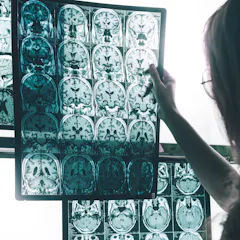
The first drug targeting Alzheimer’s disease has been approved in 20 years – but its approval isn’t based on substantial evidence.
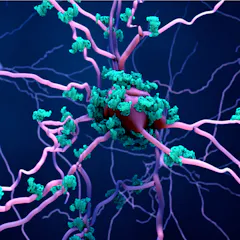
The researchers developed a molecule which works to stop toxic proteins from building up in the brain.

Having extra copies of a gene called BACE2 can slow down the development of Alzheimer’s disease in human brain cells.
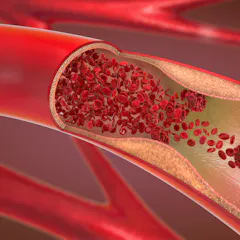
In mice, we found that drugs developed to treat Alzheimer’s Disease could be re-purposed to prevent, or even reverse, the blood vessel damage caused by obesity and type 2 diabetes.

Blacks are at higher risk for many diseases. This is partly due to poverty, discrimination and lack of access to care. But there may be something different about the higher rates of Alzheimer’s.

News reports this week hailing a breakthrough in Alzheimer’s research, saying a vaccine for the disease is a few years away, have raised hopes for many. But let’s take a step back from the headlines.
Top contributors
-

Étudiant au doctorat en psychologie, Université du Québec à Montréal (UQAM)
-
Research Fellow in Neuroimmunology, UCL
-
Professor of Neurology, University of Miami
-
Doctoral student in Bioinformatics, University of Illinois Chicago
-
Professor of cognitive pharmacology, Université du Québec à Montréal (UQAM)
-
NIHR Doctoral Fellow in Public Health, University of Cambridge
-
BHF Intermediate Basic Science Research Fellow and University Academic Fellow, University of Leeds
-
Senior lecturer in Pharmacoepidemiology, Aston University
-
Associate Professor in Cellular Neuroscience, University of Reading
-
Professor of Cellular and Molecular Biology, Queen Mary University of London
-
Associate Professor of Chemistry, Vanderbilt University
-
Department Chair and Professor of Biochemistry and Molecular Genetics, University of Illinois Chicago
-
PhD Candidate, Neuroscience, Cardiff University
-
Professor and Chair in Ageing and Alzheimer’s Disease, Edith Cowan University
-
Head of Clinical Services, Dementia Support Australia, & Associate Professor of Psychiatry, Monash University