
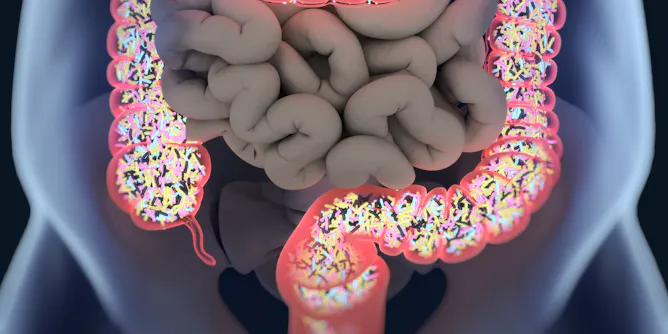
Research using massive databases – such as the Danish Psychiatric Central Research Register – is enabling a whole new understanding of the links between life history, the gut and mental health.
Articles on Bacteria
Displaying 261 - 280 of 458 articles

We were the first to make the connection between P. gingivalis and fully diagnosed Alzheimer’s disease. While evidence of a link is growing, it must be interpreted in context.
Scientists still rely on a set of 19th century postulates to identify disease-causing organisms but more than 100 years of research shows why we need to move on.

It’s hard to predict how long it will take to feel better after you start taking antibiotics. But if you start feeling worse one to two days after starting the therapy, you must see your doctor.
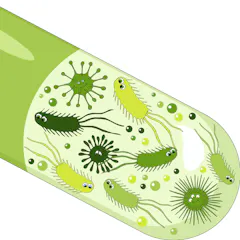
Researchers are exploring the possibility of creating living drugs – designer microbes that can live in our guts and provide critical components that our body needs but can’t make itself.

Around 75% of our faeces is made up of water. The other 25% is the good stuff, including bacteria, viruses and undigested food.

Millions of bacteria live on our skin without making us sick. It’s when they manage to get through that they can be dangerous – particularly if they’re resistant to antibiotics.
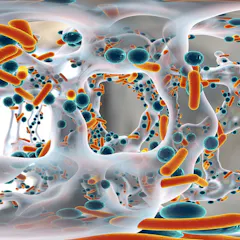
Smooth surfaces often provide nooks and crannies for bacteria to hold onto and create a colony. New research with nanoparticles is revealing the secrets of surfaces that prevent bacterial attachment.

Our view of this essential dimension of earth’s biome has been shaped by the manufacturers of cleaning products.
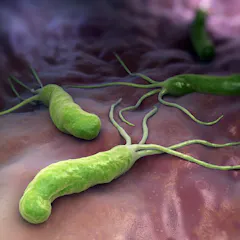
Around 15% of Australians are infected with this these bugs. Undetected, they can cause stomach ulcers and cancer.

Lung plague attacks cattle causing disease and death, and more than US$60 million in losses annually in Africa. A new vaccine could prevent the disease.
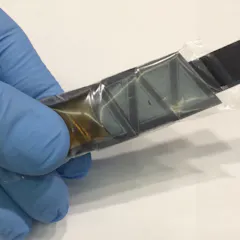
Paper-based devices with foldable, biodegradable batteries provide a new way to reduce electronic waste. But how would these new gadgets work?

A sanitised environment can mean fewer helpful bacteria. That has some surprising consequences for the health of children.
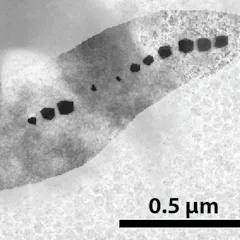
These single-celled organisms naturally respond to the Earth’s weak magnetic field. Scientists are untangling how it all works, looking to future biomedical and other engineering applications.
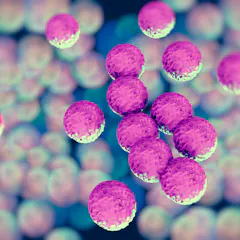
Antibiotic resistance is a major and growing global health threat. These five recent examples show us how dangerous it can be.
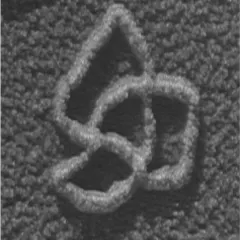
Mathematical models can describe the many shapes of DNA, as well as cellular processes like DNA replication.

There are countless nanoscopic architectures in nature, creating iridescence, sticky feet, magnetic navigation – and more.

The average office desk is said to contain 400 times more germs than a toilet seat.
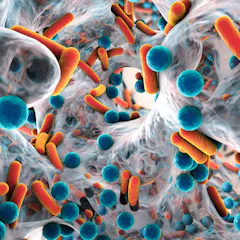
The discovery of molecular rules that regulate the transfer of genetic material between bacteria could help prevent the spread of antibiotic resistance.

There may be additional long-term health harms from antibiotic exposure in early life and before birth, including an increased risk of infection, obesity and asthma.
Top contributors
-

Senior Lecturer in Clinical Microbiology, University of Leicester
-
Professor of Biological Sciences, University of Maryland, Baltimore County
-
Senior Lecturer, Medical Microbiology, University of Westminster
-
Senior Lecturer in Pharmaceutical Sciences, RMIT University
-
Senior Research Fellow, School of Medicine, The University of Western Australia
-
Professor, Microbiology, Monash University
-
Professor, The University of Queensland
-
Senior Lecturer in Biology, Brunel University of London
-
Research Associate in Microbiology, University of Guelph
-
Associate Professor and Clinical Academic Gastroenterologist, Western Sydney University
-
Professor of Food Science, Clemson University
-
Professor of Infectious Diseases and Microbiology, Australian National University
-
Lecturer in Microbiology, Cardiff Metropolitan University
-
Professor of Microbiology, Swinburne University of Technology
-
Prof. Institute for Molecular Bioscience, The University of Queensland