
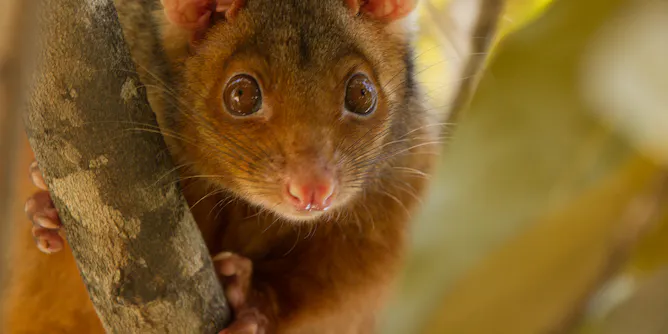
Tularemia is an animal disease that can be transmitted to humans. While it can be fatal, it is rare in Australia and can be treated with antibiotics.
Articles on Bacteria
Displaying 321 - 340 of 458 articles

What’s on your cash? Studies show our money carries everything from pet DNA and old food to E.coli and traces of cocaine.
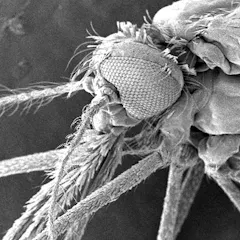
Several sites in the US are releasing bacteria-infected mosquitoes as a way to fight mosquito-borne viruses that threaten people. What’s the science – and how well will it work?
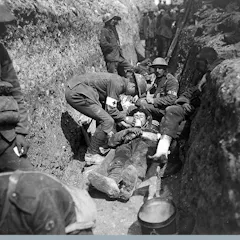
When commemorating our troops, doctors and nurses this Anzac Day, consider also tipping your hat to the discovery of bacteriophages. In the post-antibiotic era, our health might just depend on them.

Crop probiotics are natural, eco-friendly and could provide huge benefits for Australian farmers. But our loose regulations means genuine products are competing with snake oil.
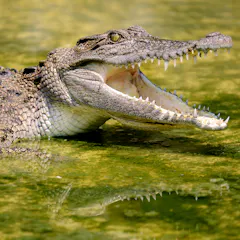
Until recently we didn’t know much about which antibiotic is best for people who have been attacked by a crocodile.

A team of medievalists and scientists look back to history – including a 1,000-year-old eyesalve recipe – for clues to new antibiotics.
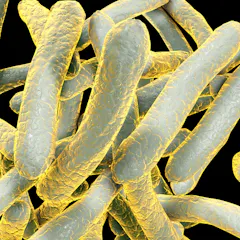
Scientists have struggled to diagnose TB in people with compromised immune systems because of the low levels of the bacteria in their body.

Lack of knowledge and perceived cost issues could be holding back the fight against the superbugs.
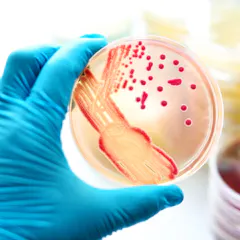
This research could provide an answer to some of the problems posed by antibiotic resistance.
We need a concentrated and coordinated effort by government and scientists if we’re to stave off the threat of antimicrobial resistant bacteria.

Antibiotic resistance is a major health threat that causes almost 700,000 deaths a year, and its toll is expected to grow. Here are some things you can do to offer your own resistance.
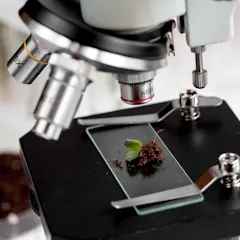
Microbial-based solutions for agriculture are among some of the new innovations having an impact on the sector in the developed world.

From losing inhibitions and anger to schizophrenia and dementia – science is uncovering the role small critters play in a range of illnesses and behaviours.
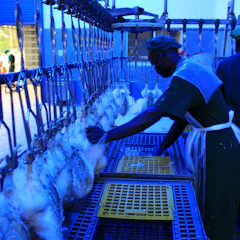
A global trend to regulate frequent antibiotic use in livestock and poultry production is emerging but Africa is still lagging behind.

New research works out how to translate between the language of biology – molecules – and the language of microelectronics – electrons. It could open the door to new kinds of biosensors and therapeutics.

The bacteria in a mother’s breast milk are important because it helps develop a baby’s gut. Research shows this bacteria are different depending on where mothers live and what they eat.
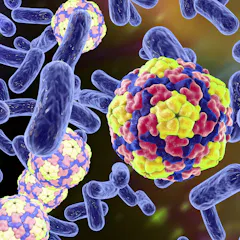
New research shows viruses can effectively turn bacteria into animal-like cells.
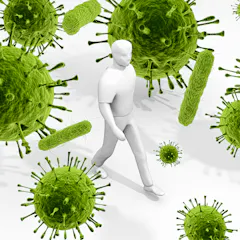
Long viewed simply as ‘germs,’ the hidden half of nature turns out to be crucial to the health of people and plants.
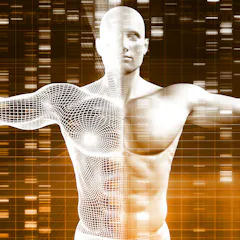
The answer – fewer than are in a banana – has implications for the study of human health and raises questions about what generates complexity anyway.
Top contributors
-

Senior Lecturer in Clinical Microbiology, University of Leicester
-
Professor of Biological Sciences, University of Maryland, Baltimore County
-
Senior Lecturer, Medical Microbiology, University of Westminster
-
Senior Lecturer in Pharmaceutical Sciences, RMIT University
-
Senior Research Fellow, School of Medicine, The University of Western Australia
-
Professor, Microbiology, Monash University
-
Professor, The University of Queensland
-
Senior Lecturer in Biology, Brunel University of London
-
Research Associate in Microbiology, University of Guelph
-
Associate Professor and Clinical Academic Gastroenterologist, Western Sydney University
-
Professor of Food Science, Clemson University
-
Professor of Infectious Diseases and Microbiology, Australian National University
-
Lecturer in Microbiology, Cardiff Metropolitan University
-
Professor of Microbiology, Swinburne University of Technology
-
Prof. Institute for Molecular Bioscience, The University of Queensland