
For most of us, the form of stool we excrete can vary widely depending, in part, on what we’ve been doing.
Articles on Bacteria
Displaying 341 - 360 of 458 articles
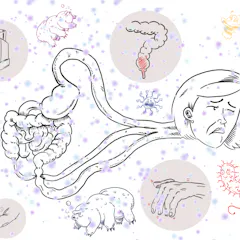
The make-up of our gut is constantly changing and affects everything from our immune system and digestion, to our brain function.

Links have been made between the community of bacteria in your gut and depression, pain, stress and sleep. So what does the science say?
Bacteria are single-celled organisms but you’d be fooled to think they weren’t also hugely complex.
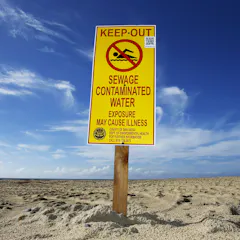
Resistant bacteria enter our aging sewer infrastructure and may eventually end up in the environment through sewage spills.
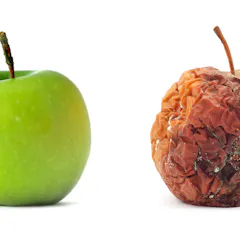
Anyone for a 2,512-day-old burger?

Just like humans, corals live with myriad microscopic organisms. We are just starting to understand this unseen world.
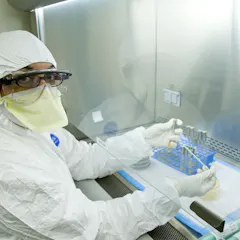
How slow diagnosis of bacterial infections is exacerbating our antibiotics problem.
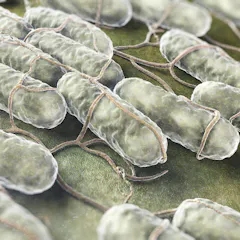
What started with a study of diseases transmitted by mosquitos, could end with a new way of treating cancer.
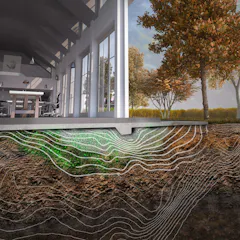
Bacteria can produce their own ‘buildings’ so scientists are genetically engineering them to build ours.
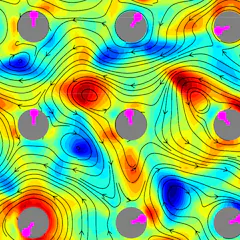
Need a tiny amount of energy? These microorganisms can help.
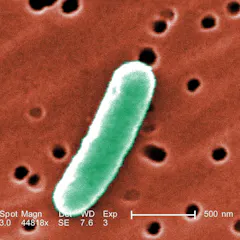
Scientists are working on a new method to cure cancer and have shown they can genetically program certain bacteria to invade the tumour cells of cancerous mice.
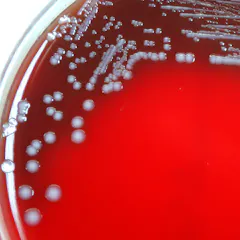
New research shows how adding memory to bacterial circuits could help us harness their computing power.
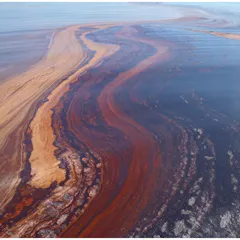
Genetic analysis shows that marine bacteria broke down much of the oil from the 2010 Deepwater Horizon spill. These findings could lead to more effective cleanups after future spills.
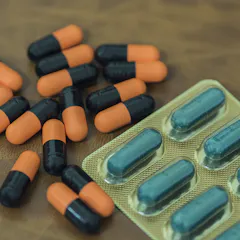
Doctors know that inappropriate prescribing can lead to antibiotic resistance. So why do they keep doing it?
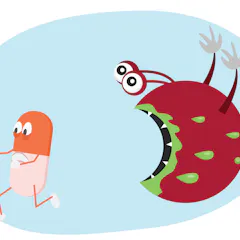
Antibiotic resistance happens when bacteria change in a way that prevents the antibiotic from working in its normal manner. There are several ways in which this can happen.
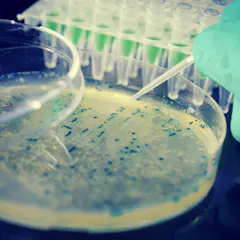
The bacteria in your gut aren’t always friendly. Luckily, there are a number of ways to beat the bugs associated with bowel cancer.
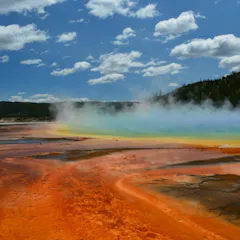
The vast majority of the bacteria that surround us are not free-floating but prefer to band together in cooperative communities called biofilms. How do biofilms form and cooperate?
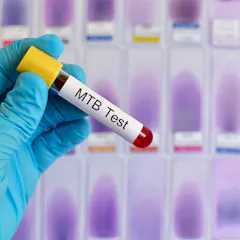
African scientists have developed and patented a test for TB that overcomes two major challenges with current methods: it delivers quick results and is much cheaper.
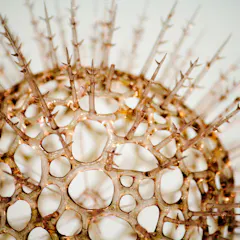
Humans have a deep history of viral infections, the evidence for which dates back to ancient DNA from Egyptian mummies.
Top contributors
-

Senior Lecturer in Clinical Microbiology, University of Leicester
-
Professor of Biological Sciences, University of Maryland, Baltimore County
-
Senior Lecturer, Medical Microbiology, University of Westminster
-
Senior Lecturer in Pharmaceutical Sciences, RMIT University
-
Senior Research Fellow, School of Medicine, The University of Western Australia
-
Professor, Microbiology, Monash University
-
Professor, The University of Queensland
-
Senior Lecturer in Biology, Brunel University of London
-
Research Associate in Microbiology, University of Guelph
-
Associate Professor and Clinical Academic Gastroenterologist, Western Sydney University
-
Professor of Food Science, Clemson University
-
Professor of Infectious Diseases and Microbiology, Australian National University
-
Lecturer in Microbiology, Cardiff Metropolitan University
-
Professor of Microbiology, Swinburne University of Technology
-
Prof. Institute for Molecular Bioscience, The University of Queensland