
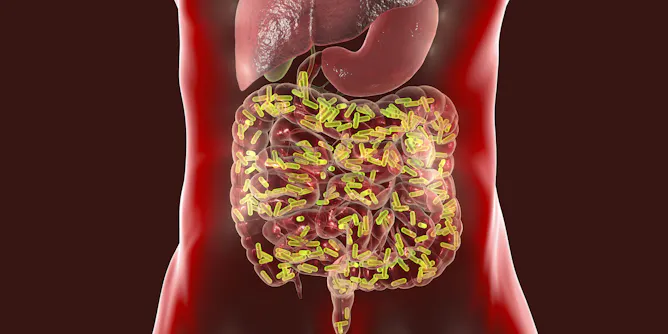
The microbes in your gut influence how your immune system reacts to bacteria and viruses. A severe immune reaction is deadly; a small one lets the virus win. The right balance may depend on your diet.
Articles on Bacteria
Displaying 201 - 220 of 458 articles
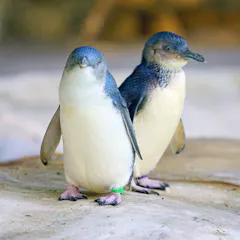
Antibiotic-resistant bacteria is one of the greatest threats to public health. The bacteria are so pervasive, they’re spilling over to penguins, sea lions, wallabies and more.

Estimating the cost of antibiotic resistance to economies and health-care systems is fraught with difficulty, but new research says Australia will be hit harder than we think.

Nutrients and energy contained within dead animals are repurposed and repackaged into living, breathing insects.
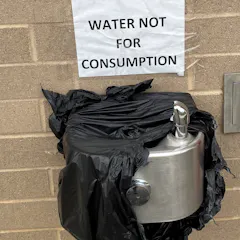
When water stagnates in pipes, harmful metals and bacteria can accumulate and make people sick. Buildings that were shut down for weeks during the pandemic may be at risk.

Don’t think you’re alone when working from home - the typical office desk has more than 10 million bacteria. Here’s how to stop your WFH setup leaving you needing sick leave.
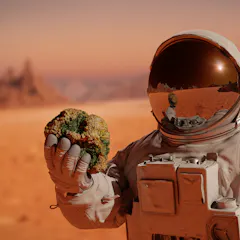
Bacteria can become more deadly and antibiotic-resilient in space. And while more research is needed to figure out how severe the risks are, they could be catastrophic.

The atmosphere has a microbiome of bacteria, viruses and fungi that travel around the world on highways in the sky.

Lorna Jane landed in hot water this week after promoting a new line of its activewear as “antiviral”. They’ve pulled back, but are still claiming the line is antibacterial – and that’s worrying too.
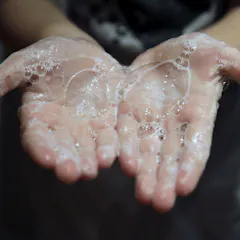
Finally, an answer to a long-bubbling question: What works best – bar or liquid soap?
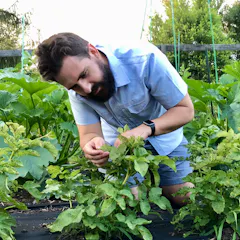
The COVID-19 pandemic has boosted interest in home gardening. Three scientists who garden explain some basic methods for controlling common insects and microbes that can spoil your crop.

Climate models have been overestimating how much sunlight hits the Southern Ocean. This is because the clouds there are different from clouds anywhere else. Bacterial DNA helped us understand why.
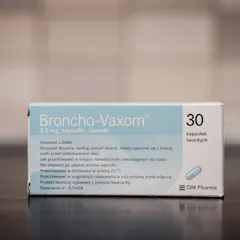
OM85 harnesses molecules extracted from bacteria, and has shown promise in preventing severe respiratory infections. It seems to work by training the immune system.
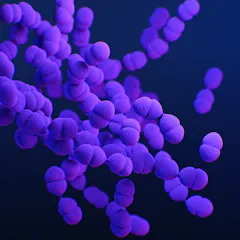
S. pneumoniae, the bacteria responsible for pneumonia, causes about one million deaths each year. Now we know how it uses the sugar raffinose to spread through the body to cause disease.

Research has yet to support the theory that cash can spread the coronavirus.
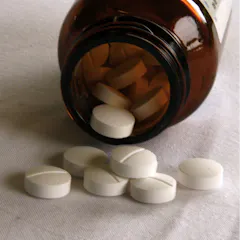
A CSIRO survey has found many people are confused about common infections, believing antibiotics can treat colds, flu and other viruses. This could fuel a dangerous rise in drug-resistant superbugs.

New research expands the pool of habitable worlds to include super-Earths with hydrogen-rich atmospheres.
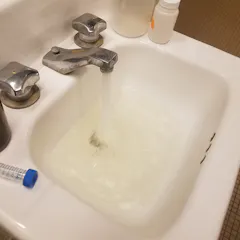
Office buildings have been left mostly empty for weeks amid the coronavirus pandemic, leaving standing water in pipes where harmful organisms can grow. What happens when those buildings reopen?

Misuse of common cleaning products or hand sanitisers can lead to antimcrobial resistance in bacteria.
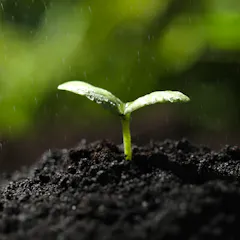
That smell you detect after it rains is part of a chemical language between bacteria and animals.
Top contributors
-

Senior Lecturer in Clinical Microbiology, University of Leicester
-
Professor of Biological Sciences, University of Maryland, Baltimore County
-
Senior Lecturer, Medical Microbiology, University of Westminster
-
Senior Lecturer in Pharmaceutical Sciences, RMIT University
-
Senior Research Fellow, School of Medicine, The University of Western Australia
-
Professor, Microbiology, Monash University
-
Professor, The University of Queensland
-
Senior Lecturer in Biology, Brunel University of London
-
Research Associate in Microbiology, University of Guelph
-
Associate Professor and Clinical Academic Gastroenterologist, Western Sydney University
-
Professor of Food Science, Clemson University
-
Professor of Infectious Diseases and Microbiology, Australian National University
-
Lecturer in Microbiology, Cardiff Metropolitan University
-
Professor of Microbiology, Swinburne University of Technology
-
Prof. Institute for Molecular Bioscience, The University of Queensland