

Allegations of racist conduct among police forces have led to numerous calls for reform, most of which fail to address the core issues.
Articles on Anti-Black racism
Displaying 1 - 20 of 98 articles

Black mothers insist, with grit and love, on ensuring our children reach the futures they deserve.

Even when courts are provided with race-informed clinical assessments designed to contextualize trauma and systemic vulnerability, Black youth are still seen as a risk.

AI-generated racism does not spread because it is technologically convincing. It revives familiar narratives that audiences accept and circulate, even when they are exposed as false.

A sociologist explains how Black students in Philadelphia navigate racial prejudice and find affirmation in their schools.

The film’s soundtrack features popular musical favourites and sounds of dread and discordancy, and some of these depictions reflect racist ideas about “proper” musical, social and community norms.

Results of a study suggest policy improvements are needed to provide educators with strategies to reduce bias around race, gender and socioeconomic status.

If Canada claims to have a comprehensive, universal and accessible education system, why do parents pay for private education during the summer months?
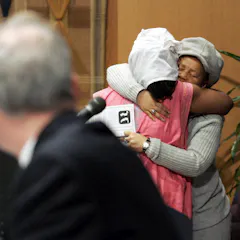
A report by the Ontario Human Rights Commission brings family testimony together with extensive analysis to create a policy blueprint for improving education for Black students.

The true commitment to racial justice lies not in performative statements, but in sustained support for marginalized scholars and research, even during economic and political precarity.

Resolving Black trauma must involve challenging the colonial and imperial legacies that reside within psychiatry and other mental health professions.

The use of prison labour in fighting wildfires caused by climate injustice is only an extension of this injustice and a continuation of indentured servitude.
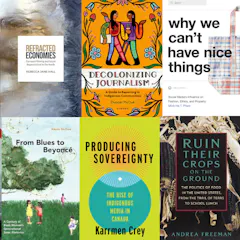
Thought-provoking reads for the critical thinker on your gift list. Each book connects with a past Don’t Call Me Resilient episode. Listen alongside reading to bring the scholar & their ideas to life.

Hassan Ali, a.k.a Top5, was released after a judge dismissed social media evidence in the case. By treating rap lyrics as confessions, the legal system perpetuates harmful stereotypes about Black men.

Being bullied because of some aspect of who a person is — known as identity-based or bias-based bullying — is extremely harmful to kids’ sense of belonging at school.

New research suggests anti-Black racism plays a key role in conservative anti-DEI sentiment.

It’s important that universities publicly acknowledge the importance of Black-affirming community spaces and the role they play in Black student well-being and academic success.

Canada was never designed to be a space for unequivocal diversity, equity or inclusion. Rather, DEI initiatives are based on policies that maintain an unequal status quo.

Insights from the book White Fragility also shed light into racism in Arab society.

Beyoncé’s country-inspired album has caused a stir because the country music scene has a history of racial segregation that has erased its Black roots and gatekept it from Black artists.
Top contributors
-

Assistant Professor, Anthropology, University of Manitoba
-
Assistant Professor, Teaching Stream, Black Health Lead, Dalla Lana School of Public Health, University of Toronto
-
Researcher in Black education, policy, and community development, University of Toronto
-
Professor of History, McGill University
-
Associate Vice-President, Equity, Diversity, and Anti-Racism; Assistant Professor of History, University of Waterloo
-
Professor, Department of Community Health Sciences, University of Calgary
-
Assistant Professor of Sociology and Criminology/Director of the Black Studies Institute, University of Windsor
-
Dr. Coen-Sanchez, L’Université d’Ottawa/University of Ottawa
-
Assistant Professor of Education, McGill University
-
Professor, Departments of English Langauge and Literature & Communication Arts, University of Waterloo
-
Associate Professor, Department of English and Interim Director, Dimensions Program, Toronto Metropolitan University
-
Associate Professor, Department of Sociology and Criminology, University of Windsor
-
Associate professor, Graduate Program Director, School of Social Work, Toronto Metropolitan University
-
Professor, Jean Augustine Chair in Education, Community & Diaspora, York University, Canada
-
Vice President of Early Education and Workforce Development, Texas A&M University-Commerce