

Thousands of hours of ocean footage reveal how fish rub their heads on sharks to scrape off parasites and scratch itches.
Articles on Animal behaviour
Displaying 101 - 120 of 252 articles
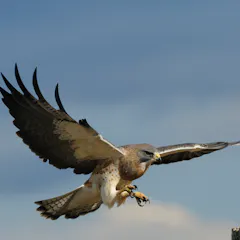
Predators are often confused by large groups of prey animals. But not the Swainson’s hawk.

A successful pet-friendly workplace depends on confronting and addressing all the risks.

You wouldn’t run up and hug a stranger in the street – let’s not do it to dogs. Here’s how to keep kids safe and dogs happy during chance encounters.
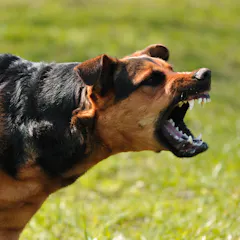
More and more Australia Post workers are reporting dog bites in the course of their work. What should you do if you witness a dog attack? And what if you’re the victim?

The miniature brains of honeybees were able to understand the concepts of odd and even, despite only having 960,000 neurons (compared to 86 billion in humans).

Birds are master navigators, negotiating journeys of thousands miles each year.
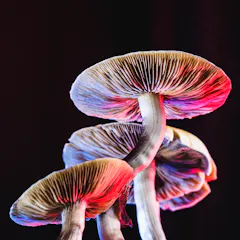
New research has found what may be language in electrical impulses transmitted between mushrooms.

Pet obesity is a growing problem – and even a little extra body weight on a dog or cat can lead to health problems.
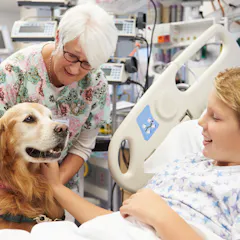
We’re all aware of the benefits from living with a pet. But over the last decade dogs, horses and cats have been helping people in many new ways as well - including recovery from addiction and trauma.
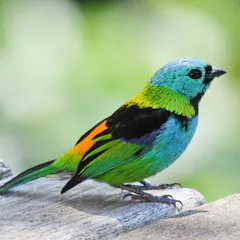
We compared 4,500 species of songbird to finally confirm what Darwin suspected.
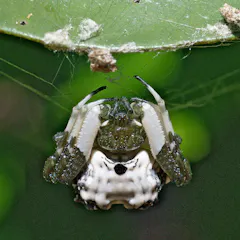
Many animals have evolved very entertaining – if not impolite – strategies for evolutionary success.

Horses are the supreme athletes of the large mammal world – here’s a look at the reasons why they can run so fast and jump so high.

Whale species at higher risk of predation from killer whales are more adversely affected by the sound of sonar.
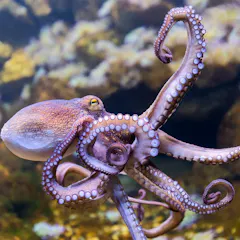
A proposed new large-scale octopus farm in Spain is a huge risk to the welfare of this sentient and intelligent animal.

Macaque tooth wear was identical to our ancestors, throwing into question the long held belief that tool use caused the markings on hominin tooth fossils.
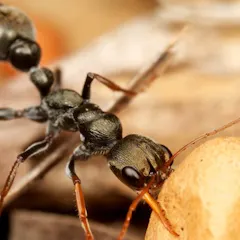
Insects such as ants and beetles use ingenious processes in their brains to work out how far they’ve travelled and in what direction - we’ve now discovered how they remember their way home.
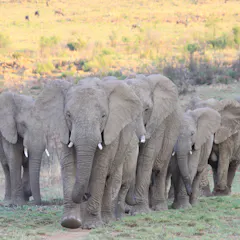
We showed for the first time that social disruption and trauma - such as culling of older elephants - has a lasting impact on the behaviour of African elephants.

Cats are in charge – but living with one can be one of life’s greatest joys. Here’s some guidance on choosing the right feline for you.
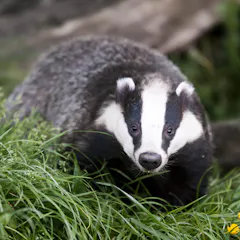
Badgers are shy and nocturnal animals. It’s time to challenge false perceptions and end the cruelty towards this iconic mammal.
Top contributors
-

Associate Professor, School of Animal and Veterinary Science, Adelaide University
-
Senior Lecturer in Animal Science, Nottingham Trent University
-
Professor, School of Veterinary Science, University of Sydney
-
Principal Lecturer in Wildlife Conservation, Nottingham Trent University
-
Professor of Wildlife Conservation, University of Salford
-
Lecturer in Wildlife Conservation
-
Asso. Professor in Anthropology, University College London, UCL
-
Research fellow, Environmental Futures Research Institute, Griffith University; Estación Biológica de Doñana (EBD-CSIC)
-
Royal Society Dorothy Hodgkin Research Fellow, University of Exeter
-
Researcher, School of Animal and Veterinary Science, Adelaide University
-
Associate Professor, Centre for Ecology and Conservation, University of Exeter
-
Reader in Biology, University of St Andrews
-
Postdoctoral Researcher in Veterinary Science, University of Sydney
-
Lecturer in Animal Behaviour and Welfare, School of Psychology, Queen's University Belfast
-
Senior Lecturer, Sydney School of Veterinary Science, University of Sydney