
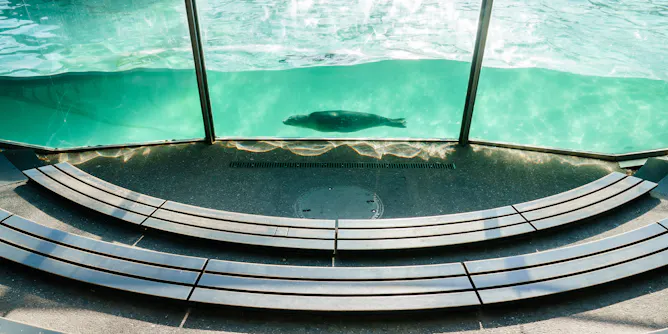
One aquarium in Japan has asked the public to make video calls to captive garden eels so they don’t forget about human visitors.
Articles on Animal behaviour
Displaying 141 - 160 of 252 articles
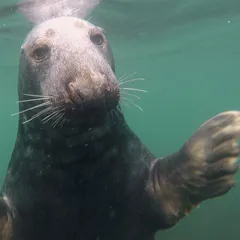
Clapping underwater takes real strength. But wild grey seals can do it, to warn off competitors and attract potential mates.
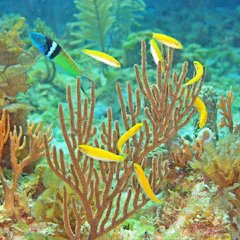
When a male bluehead wrasse is removed from the group he dominates, the largest female changes sex, rapidly transforming ovaries into sperm-producing testes. Molecular research shows how.

Not all pets will make good house cats, but there are ways to make a life indoors more fulfilling.
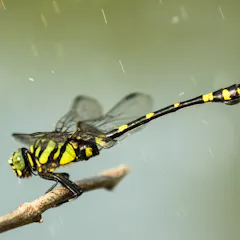
Prey species rely on camouflage and escape to avoid getting eaten. How can they make them work together?

Magpie attacks aren’t as common as you (and the media) might think. But here are a few tricks to get you through swooping season unscathed - and a few classic tactics that don’t work.
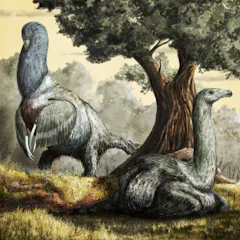
New research suggests some dinosaurs buried and protected eggs in groups.
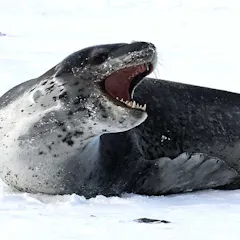
Cooperation or theft? New observations show wild leopard seals sharing food when targeting king penguins in Antarctica.
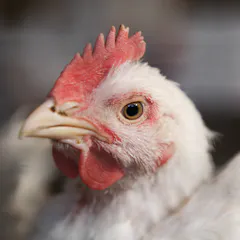
Understanding happiness in chickens could tell us how to improve their housing.
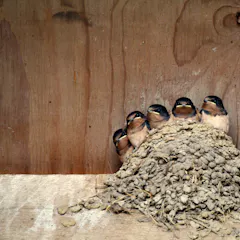
We need to understand what a swallow’s nest is really for – and it is not mainly for sleeping.

While the world gathers to see an eclipse, what’s the rest of nature doing?
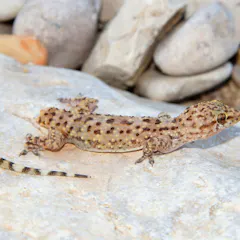
Why do some animals amputate their own limbs? Turns out, there’s a whole bunch of reasons why this strategy has evolved.
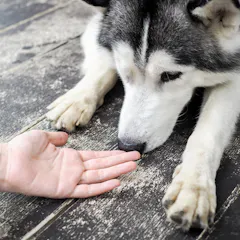
Parents want their children to be kind to animals, but a hug looks very different to a frightened dog.
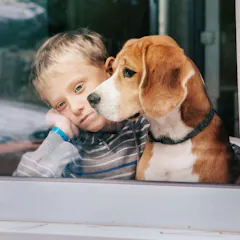
If you’re having a bad month, your dog probably is too.
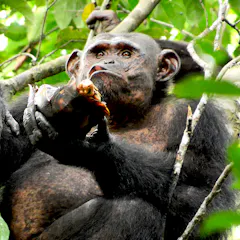
The discovery sheds light on how early humans evolved larger brains and the ability to eat meat.

Tasmanian Devils can be incredibly aggressive during mating season and their biting can have fatal consequences.

Pets can be influenced by the personality traits of their owners, something veterinarians could use to help them diagnoise any pet problems.
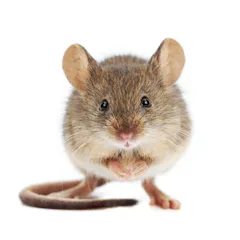
The mouse who tidied the shed he lives in fascinated human viewers, but cleanliness isn’t a virtue unique to humans.
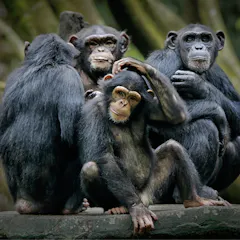
Our closest relatives show distinct cultural behaviour in different populations. But those differences are being erased.

How the zebra got its stripes is not only a just-so story, but an object of scientific inquiry. New research suggests that stripes help zebras evade biting flies and the deadly diseases they carry.
Top contributors
-

Associate Professor, School of Animal and Veterinary Science, Adelaide University
-
Senior Lecturer in Animal Science, Nottingham Trent University
-
Professor, School of Veterinary Science, University of Sydney
-
Principal Lecturer in Wildlife Conservation, Nottingham Trent University
-
Professor of Wildlife Conservation, University of Salford
-
Lecturer in Wildlife Conservation
-
Asso. Professor in Anthropology, University College London, UCL
-
Research fellow, Environmental Futures Research Institute, Griffith University; Estación Biológica de Doñana (EBD-CSIC)
-
Royal Society Dorothy Hodgkin Research Fellow, University of Exeter
-
Researcher, School of Animal and Veterinary Science, Adelaide University
-
Associate Professor, Centre for Ecology and Conservation, University of Exeter
-
Reader in Biology, University of St Andrews
-
Postdoctoral Researcher in Veterinary Science, University of Sydney
-
Lecturer in Animal Behaviour and Welfare, School of Psychology, Queen's University Belfast
-
Senior Lecturer, Sydney School of Veterinary Science, University of Sydney