
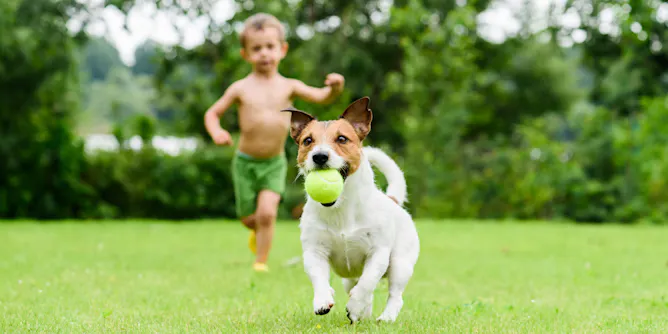
People often think about how it’s good for children to have a pet dog around. But what about the dog?
Articles on Animal behaviour
Displaying 61 - 80 of 252 articles
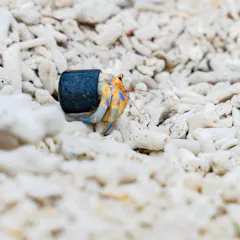
Hermit crabs have been using plastic waste such as bottle tops as homes instead of empty snail shells.
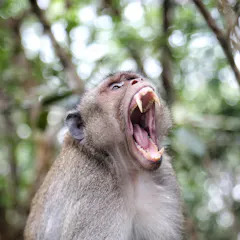
Tourists can do a number of things to avoid dangerous encounters with monkeys.

Artificial intelligence can process large amounts of chicken vocalizations, identifying patterns in the birds’ communications.

Surveys on cat personality are filled out by people. As such, results are affected by human perspectives, projections and biases.
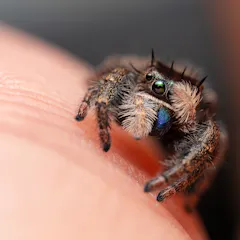
An expert on why spiders are misunderstood and their fascinating survival strategies.

Not all animals retreat to their shelters in cold weather.
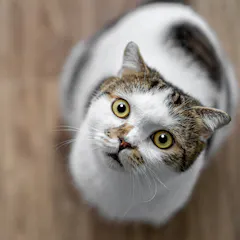
There hasn’t been a lot of research into adult cat play, but a new study shows it’s not just dogs who like to play fetch.
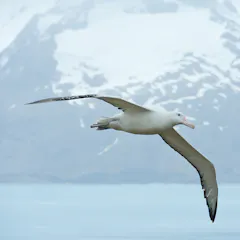
Scientists have long been baffled by how seabirds decide where to go on their long journeys. Our study of wandering albatrosses offers new clues.

Rapidly changing temperatures and sensory environments are challenging the nervous systems of many species. Animals will be forced to evolve to survive.
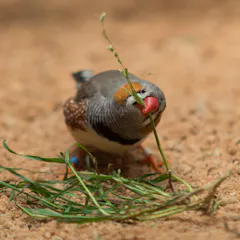
Birds’ nest-building skills are informed by their environment and experiences, and nests can reflect the individual styles of their builders.
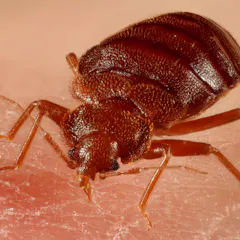
The trouble is most countries don’t make bed bug infestation data available to researchers.

Understanding how animals think, learn and interact with one another can inform the science of ecology, as predator and prey shape their world.
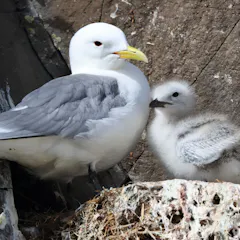
Like humans, seabirds seem less likely to part ways when they have relationships built on similar personalities.
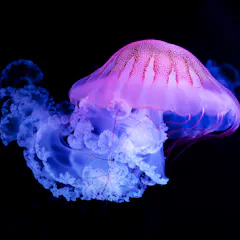
Jellyfish have a reputation to stinging wild swimmers and huge population “blooms”. But it’s a mistake to dismiss these animals as ocean pests.
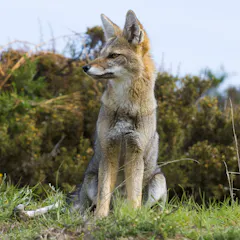
Scientists had thought a ‘dogxim’ was impossible until one was discovered in Brazil
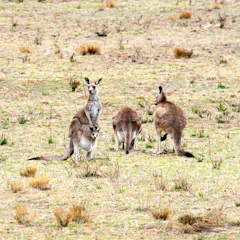
New research shows kangaroos may form long-term friendships.

The microbiome and its signature smells are crucial for most organisms, whether human, insect or plant. The silent signals sent by the microbiome are essential communications that influence behaviour.
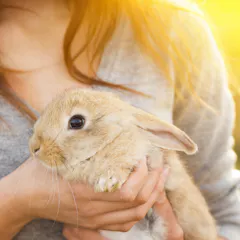
It’s not just cats and dogs – we often feel a deep emotional bond with small animals like rabbits and guinea-pigs too.
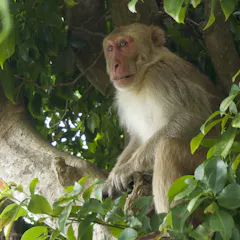
Most of the males in a Puerto Rican monkey colony engaged in homosexual activity, a new study reveals.
Top contributors
-

Associate Professor, School of Animal and Veterinary Science, Adelaide University
-
Senior Lecturer in Animal Science, Nottingham Trent University
-
Professor, School of Veterinary Science, University of Sydney
-
Principal Lecturer in Wildlife Conservation, Nottingham Trent University
-
Professor of Wildlife Conservation, University of Salford
-
Lecturer in Wildlife Conservation
-
Asso. Professor in Anthropology, University College London, UCL
-
Research fellow, Environmental Futures Research Institute, Griffith University; Estación Biológica de Doñana (EBD-CSIC)
-
Royal Society Dorothy Hodgkin Research Fellow, University of Exeter
-
Researcher, School of Animal and Veterinary Science, Adelaide University
-
Associate Professor, Centre for Ecology and Conservation, University of Exeter
-
Reader in Biology, University of St Andrews
-
Postdoctoral Researcher in Veterinary Science, University of Sydney
-
Lecturer in Animal Behaviour and Welfare, School of Psychology, Queen's University Belfast
-
Senior Lecturer, Sydney School of Veterinary Science, University of Sydney