
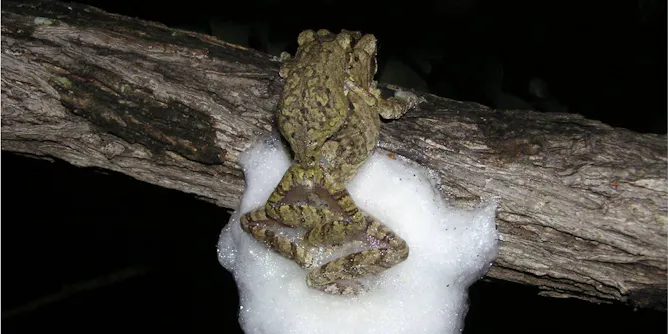
Mating with many males means more viable nests and improved offspring survival or performance for African Grey Foam-Nest Treefrogs.
Articles on Zoology
Displaying 1 - 20 of 108 articles
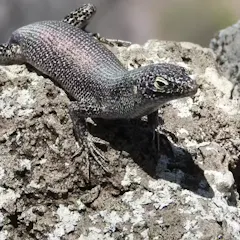
The Noronha skink arrived on the island millions of years ago from Africa, likely on floating masses of vegetation carried by ocean currents.
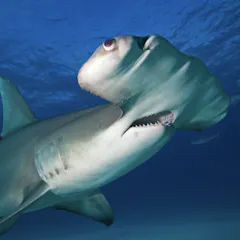
Scientists have identified sertraline — the active ingredient in Zoloft and dozens of other antidepressants — in the brain tissue of hammerhead sharks caught off the coast of Rio de Janeiro.

Three of the four new chameleon species found in Mozambique are probably at high risk of extinction.

From snails to skunks, squirrels to cicadas, most of our neighbors are quiet and seldom interact with us, but they play important roles in the world.
Some say Latin names are elitist and incomprehensible, but they started out as a way to be inclusive.
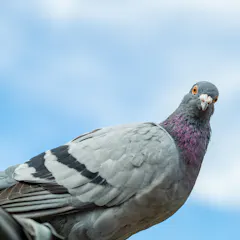
A scientist who wanted to show pigeons don’t need intellect to navigate was surprised by nuances in his own study findings.

The scarcity of bat fossils is more than a palaeontological puzzle: it has implications for bat conservation strategies today.
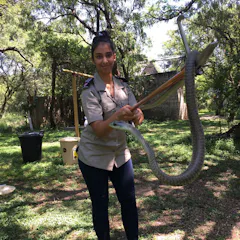
Learning about snakes offers unique insights into the natural world.
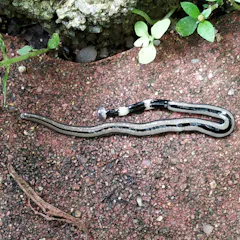
A strange worm found in the jungle, then harvested and preserved in… gin, provides a better understanding of the evolution and genetics of flatworms.

New research shows European lobsters are using the deposits of rocks and boulders at the base of wind turbines as shelter.

There’s no single reason many Asian animals spread to Australia but few went the other way – but climate, geography and the slow drift of tectonic plates all played a role.
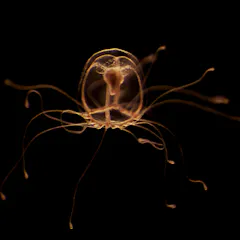
The immortal jellyfish ‘Turritopsis dohrnii’ is capable of escaping death. The molecular keys involved in its longevity have been revealed by researchers at the University of Oviedo.

Birds are master navigators, negotiating journeys of thousands miles each year.
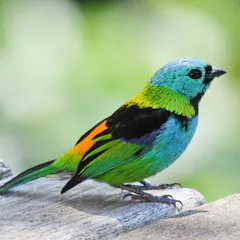
We compared 4,500 species of songbird to finally confirm what Darwin suspected.

Horses are the supreme athletes of the large mammal world – here’s a look at the reasons why they can run so fast and jump so high.

Whale species at higher risk of predation from killer whales are more adversely affected by the sound of sonar.
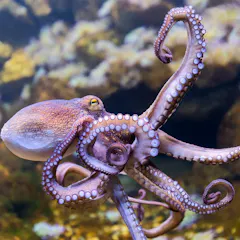
A proposed new large-scale octopus farm in Spain is a huge risk to the welfare of this sentient and intelligent animal.

Macaque tooth wear was identical to our ancestors, throwing into question the long held belief that tool use caused the markings on hominin tooth fossils.
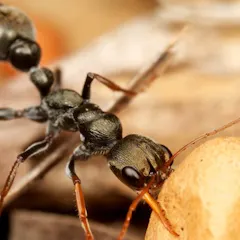
Insects such as ants and beetles use ingenious processes in their brains to work out how far they’ve travelled and in what direction - we’ve now discovered how they remember their way home.
Top contributors
-

Senior Lecturer in Zoology, Bangor University
-
Research Fellow in Biological Anthropology, Monash University
-
Professor of Philosophy, London School of Economics and Political Science
-
Professor of Wildlife Conservation, University of Salford
-
Research Fellow in Comparative Psychology, University of Cambridge
-
Professor of Herpetology, Environmental Physiology and Physiology, Ecology and Evolution, University of the Witwatersrand
-
Associate professor, Adelaide University
-
Senior Lecturer in Biology, University of Sussex
-
Sir Henry Wellcome Postdoctoral Fellow, King's College London
-
PhD Candidate, University of Bristol
-
Senior Lecturer in Sleep Ecophysiology, La Trobe University
-
Postgraduate candidate, University of Tasmania
-
Senior Veterinary Pathologist, CSIRO
-
Assistant researcher, The University of Melbourne
-
Assistant Director of Australian Animal Health Laboratory, CSIRO