
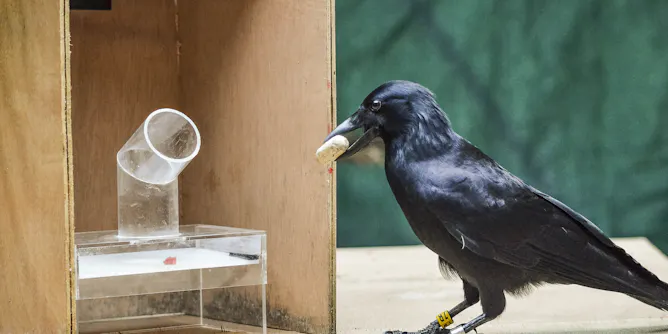
New Caledonian crows are famous for using tools to reach a reward. Now scientists have confirmed they can plan several steps ahead, like a chess player contemplating a series of moves.
Articles on Animal behaviour
Displaying 161 - 180 of 252 articles
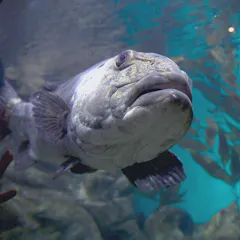
Increase of carbon dioxide in the ocean affects the way fish detect predators, mates or food and could threaten not only individual fish but entire populations.

Domestic cats spend a quarter of their waking hours grooming. But that tongue action on the fur does more than keep fur clean – it also helps keep a cat cool.

Sharks eating seagrass? Sounds fishy, but the reality is that animals don’t conform to the strict categories we try to place on their diets.
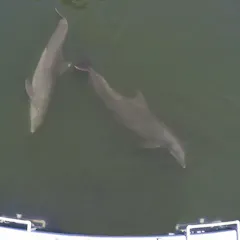
Dolphin pairs had to learn to push buttons at the same time to get a reward. So what happened when one dolphin figured that out, while the other still had to learn?

In evolutionary terms, it’s better to be at the bottom of the hierarchy than to be dead – and that’s why submissive behaviours still persist in us humans. Even if we don’t like it.
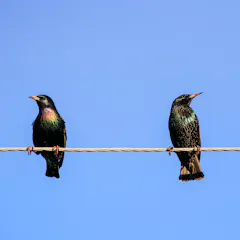
Drugs are finding their way into lakes and rivers, and we need to know exactly what they’re doing to wildlife.
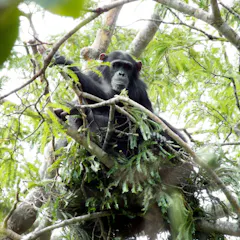
Early hominins are thought to have made a new shelter every night, which taught them how to adapt to changing conditions.
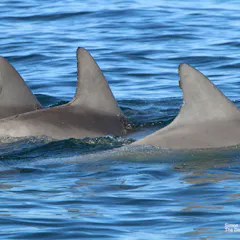
Researchers have discovered male bottlenose dolphins can retain individual vocal labels – or “names” – to help them recognise each other in their social network, much like humans.

Here are ten common misconceptions about what dogs need and how they communicate with us. Plus, a gallery of reader and staff dog pictures!
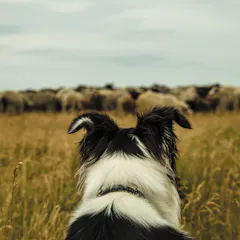
Starting with two simple sheepdog rules, the robot then began to display new, unprogrammed behaviour.
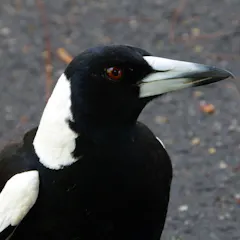
Magpies living near airports are less likely to flee from the sound of passing planes, new research shows. But it’s unclear whether this makes them more or less likely to actually get hit.

Giving male dogs the snip is a common practice in Australia and elsewhere to help reduce the number of unwanted dogs. But it can also lead to some unwanted behavioural problems.
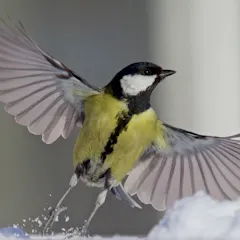
City living isn’t for everyone, but certain birds can prosper in the environment.
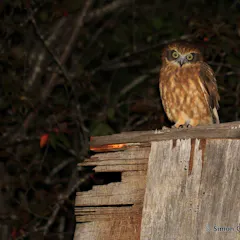
From falcons that hunt by the light of skyscrapers, to bears that sit in wait at weirs, animals are using human structures to help them catch a meal.

New research explains that dogs may have evolved to eat faeces as a way to prevent the spread of disease.
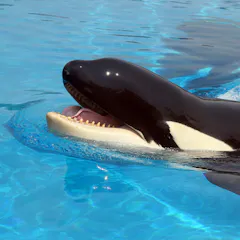
An animal behaviour expert gives his view on finding that a killer whale can copy the sound ‘hello’.

Wild chimpanzees are hard to find, but their DNA – left-behind genetic traces – are opening up a new way of studying them.

Blue Planet II reveals what fantastic predators they are.
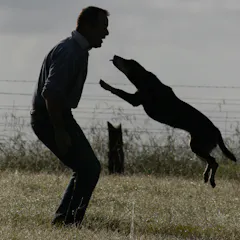
There can be a difference in the way some dogs react to men and women, and it can also matter if the dog is a he or a she.
Top contributors
-

Associate Professor, School of Animal and Veterinary Science, Adelaide University
-
Senior Lecturer in Animal Science, Nottingham Trent University
-
Professor, School of Veterinary Science, University of Sydney
-
Principal Lecturer in Wildlife Conservation, Nottingham Trent University
-
Professor of Wildlife Conservation, University of Salford
-
Lecturer in Wildlife Conservation
-
Asso. Professor in Anthropology, University College London, UCL
-
Research fellow, Environmental Futures Research Institute, Griffith University; Estación Biológica de Doñana (EBD-CSIC)
-
Royal Society Dorothy Hodgkin Research Fellow, University of Exeter
-
Researcher, School of Animal and Veterinary Science, Adelaide University
-
Associate Professor, Centre for Ecology and Conservation, University of Exeter
-
Reader in Biology, University of St Andrews
-
Postdoctoral Researcher in Veterinary Science, University of Sydney
-
Lecturer in Animal Behaviour and Welfare, School of Psychology, Queen's University Belfast
-
Senior Lecturer, Sydney School of Veterinary Science, University of Sydney